

|
News From NBC News Ceasefire deal reached between the United States and IranSunday June 14th, 2026 05:52:14 PM Dennis Romero and Chantal Da Silva | NBC NewsAn agreement has been reached between the United States and Iran, President Donald Trump and Pakistani Prime Minister Shehbaz Sharif announced Sunday, with Iranian state media broadcasting the announcement. “The Deal with the Islamic Republic of Iran is now complete,” Trump said in a post on Truth Social. “Congratulations to all! I hereby fully authorize the toll free opening of the Strait of Hormuz, and, simultaneously herewith, authorize the immediate removal of the United States Naval blockade. Ships of the World, start your engines. Let the oil flow!” Sharif made a similar announcement minutes before Trump’s statement. “Following intensive talks, we are pleased to announce that the Peace Deal between the United States of America and Islamic Republic of Iran has been REACHED,” Sharif said on X. He continued, “Both sides have declared the immediate and permanent termination of military operations on all fronts, including in Lebanon.” A signing was scheduled for Friday in Switzerland, Sharif said. No other details of the agreement were immediately available. The White House did not immediately respond to requests for comment. Kazem Gharibabadi, the deputy foreign minister of Iran, said a memorandum of understanding is complete and the U.S. naval blockade against Iran will end Sunday night, according to Iranian state media. “The immediate and permanent end of war and military operations on various fronts, including Lebanon, will be announced from tonight,” Gharibabadi said, according to semi-official state news agency Tasnim. It’s unclear when the strait will be fully open. Trump said in a post on Truth Social later Sunday that the channel would open “upon the signing of the Deal on Friday, for purposes of mine removal.” The agreement is intended to bring a halt to the U.S. and Israel’s war against Iran, which began on Feb. 28, marked by the assassination of Supreme Leader Ayatollah Ali Khamenei and U.S.-Israeli strikes across Iran. A ceasefire was agreed in April to allow for negotiations, though both sides have continued with some strikes amid a dispute over the Strait of Hormuz, a vital trade route through which some 20% of the world’s oil passed before the war. Sharif said “pre-implementation discussions” would take place in the interim. It was not clear what that entailed. Trump, Iranian officials, and key mediator Pakistan said a memorandum of understanding was close heading into the weekend. In a story published Sunday, Trump told the Wall Street Journal that the deal would either be signed by the president electronically or by Vice President JD Vance in person. Vance said Sunday evening, shortly after Trump’s announcement on Truth Social, that the logistics of the signing ceremony are still being worked out. “I certainly plan to be there, but it’s possible the president himself could be there,” Vance said on Fox News. He added that the deal was a “new leaf” and that “we’re going to keep working at it.” “I’m not going to say that everybody is going to sing Kumbaya tomorrow. It’s going to take a little bit of time to learn the ways of peace, but I do think we took a major, major step tonight,” Vance said. The U.S. and Iran have at times given very different outlines of the terms of the draft deal, with Trump and Iranian officials clashing Friday over the release of frozen Iranian assets. The Lebanese government and the Iran-backed militant group Hezbollah have not made any public comment on the agreement as Israel has targeted parts of Lebanon in a campaign to dismantle the proxy fighters who launch munitions at Israel just across its norther border. Israel, the United States’ partner in the war with Iran, said its military attacked Hezbollah targets in Beirut’s southern suburbs Sunday in retaliation an earlier attack on Israeli territory. Lebanon’s Civil Defense Ministry said three people were killed. Speaking on Truth Social earlier Sunday, Trump said the strikes on Beirut “should not have happened, particularly on a special day when we are so close to a Peace Deal with Iran.” “All sides should stand down,” he said. “There should be no more attacks by Israel anywhere in Lebanon.” There was no immediate public comment from Israeli leadership. Qatar’s Ministry of Foreign affairs said on Sunday the country welcomes the agreement as “an important step towards consolidating sustainable peace and promoting economic growth” and as a means to “de-escalate tensions and bring viewpoints closer together” in the Middle East. The price of U.S. crude oil fell more than 4.5% to $80 per barrel, its lowest level since the first week of March, as trading opened Sunday evening, shortly after the announcement. Brent crude oil also tumbled by about 4%, touching $83, its lowest level since early March as well. Still, even at $80, oil prices have risen more than 20% since the war started and more than 40% since the beginning of the year. Last week, prices dropped more than 6% as momentum built toward the announcement of a deal. GOP lawmakers showed support for the agreement Sunday evening. “For 47 years, Iran has attacked the United States, our allies, and every American they could find in the region. The people of Iran live under the oppression of the regime, and the United States has spent billions of dollars each year defending ourselves from the threat,” Sen. James Lankford, R-Okla., posted on X, praising Trump for reaching a deal. The U.S. and Iran had for weeks appeared to be nearing a deal, but reopening the strait had become a major sticking point in talks between the two nations. Iran briefly agreed to do so last month, bringing some relief to the oil-trading Gulf states that rely on it, but closed it again when the U.S. launched a blockade barring ships from entering or exiting Iranian ports. Trump administration officials had said that averting the risk of Iranian nuclear weapons would be central to any deal, eight years on from Trump’s decision during his first term to withdraw from a previous agreement, reached under President Barack Obama, intended to limit Iran’s nuclear program. Thousands have been killed in the wider war that has consumed the region, with the highest death tolls reported in Iran and Lebanon. The U.S.-based rights group HRANA documented more than 3,600 people killed in Iran, including more than 1,700 civilians, since the U.S. and Israel first launched their attacks in late February, sparking a wider conflict in the region.More than 3,700 people have been killed in Lebanon, 36 have been killed in Gulf states, and 20 have died in Israel. Thirteen U.S. service members have been killed, and two more died of noncombat causes. Sen. Mitch McConnell admitted to the hospital, spokesperson saysSunday June 14th, 2026 03:45:12 PM Alexandra Marquez and Frank Thorp V | NBC NewsSen. Mitch McConnell, R-Ky., the former senate majority leader, was hospitalized on Sunday, according to his spokesperson. “Senator McConnell was admitted to the hospital this morning,” spokesperson David Popp said in a statement. “He is receiving excellent care.” Popp did not release further information about McConnell’s condition or why he was hospitalized. McConnell, 84, who announced last year that he would not seek reelection this year, has suffered several health incidents in recent years. Earlier this year, he was hospitalized for over a week after experiencing “flu-like symptoms.” Three years ago, McConnell tripped at a Washington dinner event and was later hospitalized with a concussion. And in 2019, the senator fractured his shoulder after falling at home. The longtime GOP leader has also faced concerns and questions about his mental fitness for office after he several times froze on camera in the middle of speaking and didn’t immediately respond to questions. He has also been spotted this term using a wheelchair to get around the Capitol complex after sustaining a fall there. The Kentucky senator was first elected to his post in 1984 and was first elected Republican leader in the Senate in 2007. He held the post until early 2025. Several elected officials in Washington in recent years have faced questions about their mental and physical fitness for office as they’ve aged. Former President Joe Biden stepped down from his reelection bid in 2024 after concerns about his mental fitness surged following a infamous debate against then-former President Donald Trump. And on Capitol Hill, the late Sen. Dianne Feinstein, D-Calif., faced questions about her mental and physical abilities for several months before she died in 2023 at the age of 90. Megan Lebowitz contributed. Donald Trump turns 80 and celebrates with UFC cage fighting on the White House lawnSunday June 14th, 2026 10:47:18 AM Dan Gelston | The Associated PressFueled by a dose of high-octane patriotism, President Donald Trump and UFC boss Dana White walked out from the Oval Office to chants of “USA!” to greet military members and political dignitaries set to watch one of the more surreal spectacles in sports and even in the nation’s capital: cage fighting on the White House lawn. A long-time fight fan with a 25-year professional relationship with White, Trump turned 80 on Sunday and fans gathered on a gloomy night on the South Lawn cheered when one fan yelled out “happy birthday!” Diego Lopes and Steve Garcia opened UFC Freedom 250 in a featherweight bout under the structure known as the Claw, a four-sided mass that arcs more than 90 feet (27 meters) into the air and features lights, speakers, thick snakes of wiring and four large screens so fans not seated right next to the Octagon can follow the cage fighting below. Garcia walked out of the White House draped in an American flag and accompanied by two police officers. Lopes walked out to the Mexican song “La Chona.” Fans were as quiet for the start of the main card Sunday as they might be for the preliminary fights held hours before a pay-per-view event in a normal fight arena, such as Madison Square Garden. Closer to the Rose Garden, fans did come alive when Lopes landed a flurry of punches to knock out Garcia in the second round. The show was steeped in pageantry and stands as an outlier among UFC events. The Marine Band played from in front of the White House and Zac Brown sang the national anthem — which is never played before normal UFC fight cards because of the mix of nationalities fighting inside the Octagon. The Navy’s Blue Angels and Air Force Thunderbirds zipped overhead as part of a flyover. UFC’s ring girls, who normally parade around the cage in skimpy outfits, were covered up for a more PG-rated fight night. The women were stylishly dressed in more full-body outfits, some that flowed past the knee or to the ground, that incorporated the American flag into the designs. Bruce Buffer’s voice thundered from the cage as always for fight introductions, and his star-spangled threads fit the occasion: gold stars on the outside of his suit coat and mini American flags stitched inside. Hours after the United States and Iran reached an agreement to end the war and open the Strait of Hormuz, offering relief to the global economy more than three months since fighting began, the White House — long known as the people’s house and a symbol of American democracy — opened its backyard to stage the fights. More than $60 million and tens of thousands of hours of labor have been poured into building the arena, according to a court filing from the National Park Service, which oversees the South Lawn. UFC is staging seven fights with all male fighters under the Freedom 250 banner to celebrate Trump’s birthday and the 250th anniversary of the Declaration of Independence’s signing. The fight card headlined by two title fights on Paramount+ was scheduled to start at 8 p.m. Eastern. The official televised portion of the show started closer to 30 minutes later and the first fight went off closer to 9 p.m. Strong thunderstorms and heavy lightning disrupted Friday’s Lincoln Memorial promotional event, and the forecast for Sunday evening also looked menacing. White said the show will go on rain or shine. The rare UFC outdoors event marked the pinnacle of the relationship between White and Trump that has yielded personal, political and financial dividends for both parties. White’s first card as UFC president came in 2001 at an event held at Trump Taj Mahal. Trump has attended four UFC cards as sitting president, walking to the cage amid rock music and patriotic chants from fans much like the fighters themselves. White introduced Trump at two Republican National Conventions. White also attended the White House Correspondents’ Association dinner in April that was cut short by a shooting. In a card that has been panned by fans online as underwhelming, Alex Pereira of Brazil will meet Ciryl Gane of France for the interim UFC heavyweight title. Spanish-Georgian lightweight champion Ilia Topuria then takes on interim champ Justin Gaethje, one of just two Americans who currently hold even a share of the UFC’s 11 championship belts. There are five other fights on the main card that include former title-fight participants Michael Chandler and Derrick Lewis and former 135-pound champion Sean O’Malley. Not everyone was able to get tickets to the big event. Even one of UFC’s champions. UFC middleweight champion Sean Strickland was escorted out of the Ellipse event by a group of police officers and taken into a Park Police van Sunday. Once a vocal supporter of Trump, Strickland has recently said on social media that he was not invited to participate in the event at the White House because he is an outspoken critic of Israel. Strickland was wearing a black anorak jacket and was barefoot. It wasn’t immediately clear why law enforcement led him away. White has rejected Strickland’s accusation that he was banned from UFC Freedom 250 events. “Nobody is banned. Nothing is banned,” White told reporters earlier this month. ___ AP MMA: https://apnews.com/hub/mixed-martial-arts Judge orders Trump administration to restore National Park changes at sites that ‘disparaged' USSaturday June 13th, 2026 11:07:18 AM Hallie Golden | The Associated Press and Kimberlee Kruesi | The Associated PressA federal judge on Friday ordered the Trump administration to restore sites changed under an executive order calling for the nation’s museums, parks and landmarks to not display elements that “inappropriately disparage Americans past or living.” The preliminary injunction issued by U.S. District Judge Angel Kelley in Massachusetts also orders a pause on any additional changes, writing that the plaintiffs have shown that these efforts are meant “to rewrite the Nation’s history with a white-out pen.” “History cannot be faithfully told while excluding the experiences of communities whose contributions, struggles, and achievements form an important part of our Nation’s story,” the judge wrote. The Trump administration must also provide a status report every week describing the progress they’ve made with these changes, the judge wrote. “Under the guise of promoting American dignity, this Administration seeks to share a limited history by ordering the removal of all signs, displays, and interpretive exhibits at National Parks that do not align with its preferred narrative, thereby telling half-truths,” Kelley wrote. The order comes in response to a February lawsuit filed by conservation and historical organizations over National Park Service policies that the groups say have forced park service staff to remove or censor dozens of exhibits that share factually accurate and relevant U.S. history and scientific knowledge, including about slavery and climate change. Many of the changes were at Philadelphia’s Independence National Historical Park, where the administration removed exhibits on the lives of nine people enslaved at the site in the 1790s under George Washington, the first U.S. president. Other changes included removing a sign at Sunset Crater Volcano National Monument in Arizona describing basalt bubbles because it had an image of a visitor holding a Pride flag while films on labor history were removed from the Lowell National Historical Park in Massachusetts. President Donald Trump signed the executive order “restoring truth and sanity to American history” at the nation’s museums, parks and landmarks last year. Interior Secretary Doug Burgum later directed removal of “improper partisan ideology” from museums, monuments, landmarks and other public exhibits under federal control. An email seeking comment from the Interior Department was sent Saturday. Alan Spears, senior director for cultural resources for the National Parks Conservation Association, one of the organizations that brought the lawsuit, said the ruling will help protect national parks from the administration’s effort “to erase history and science at these one-of-a-kind places.” “National parks belong to the American people and censorship of any kind goes against the values these places represent,” he said. Bill Wade, executive director for the Association of National Park Rangers, another organization that brought the lawsuit, said this is especially good news for National Parks employees who “have prided themselves for being able to provide truthful, accurate and unbiased information.” Trump says U.S. military strike killed leader of Tren de Aragua gang with help from VenezuelaFriday June 12th, 2026 09:44:34 PM Will Weissert | The Associated PressPresident Donald Trump said Friday that a “swift and lethal kinetic” U.S. strike has killed Hector Rusthenford Guerrero Flores, whom he called “the infamous leader” of the Tren de Aragua gang. Tren de Aragua has been labeled by the United States as a terrorist organization. Guerrero Flores was charged in a New York federal court with racketeering conspiracy and other crimes, including lending support to terrorists in crimes that stretched more than a decade, authorities announced in December. Defense Secretary Pete Hegseth posted on X that the strike occurred earlier in the week on a Tren de Aragua compound in Venezuela. U.S. Attorney Jay Clayton said at the time that the gang is responsible for countless acts of violence, extortion and drug trafficking in North America, South America and Europe. Trump nominated Clayton on Thursday to be director of national intelligence. The U.S. State Department had offered rewards of up to $5 million for information leading to Guerrero Flores’ arrest. In a post on his social media site, Trump wrote, “Tren de Aragua terrorists no longer have safe haven in Venezuela or anywhere else and, under my leadership, we will find these vicious murderers and drug lords anytime, anyplace, and send them to the depths of hell where they belong.” Trump’s post referred to Guerrero Flores by his alias, “Niño Guerrero.” The post also included unclassified video, shot from above, of a small building with a green roof exploding. Hegseth said, “The operation underscores the shared U.S. and Venezuelan commitment to take the fight to narco-terrorists and deny them any safe haven in our hemisphere.” Venezuela’s ministry of communications did not immediately respond to a request for comment on the operation. “During the operation, clashes occurred with members of criminal groups, resulting in the death of Héctor Rusthenford Guerrero Flores, alias ‘Niño Guerrero,’ the leader of one of these criminal organizations,” according to the statement. The mineral-rich state, which borders Brazil and Guyana, is home to large illegal mining operations long controlled by gangs and other actors who mine with the consent — and to the benefit — of officials and the military. Trump has taken a series of extraordinary actions against the gang, including a series of strikes on small boats his administration has accused of smuggling drugs to America. At least 207 people have been killed in boat strikes by the U.S. military in the eastern Pacific Ocean and Caribbean Sea since the Trump administration began targeting those it calls “narcoterrorists” in early September. Trump and administration officials have consistently blamed Tren de Aragua for being at the root of the violence and illicit drug dealing that plague some U.S. cities. The president spent months repeating the claim — contradicted by a declassified U.S. intelligence assessment — that Tren de Aragua had operated under Venezuelan President Nicolás Maduro’s control. The U.S. whisked Maduro out of Venezuela to face U.S. drug charges in January. Tren de Aragua originated more than a decade ago at an infamously lawless prison with hardened criminals in Venezuela’s central state of Aragua. The gang has expanded in recent years as millions of Venezuelans migrated to other Latin American countries or the U.S. in search of better living conditions. Guerrero Flores returned to the prison in Aragua for murder and other convictions in 2013, when Venezuela’s crisis began as corruption, mismanagement and a drop in crude prices wrecked the oil-dependent economy. Guerrero Flores and a few other inmates saw a profitable opportunity as the government neglected prisons. They assumed control and administration of the prison, establishing a system that controlled the entire inmate population through force and extortion. Over time, they transformed the facility into a sort of city that included a zoo, baseball field, casino and restaurants. Guerrero Flores had his own lavish suite. The size of the gang is unclear. Countries with large populations of Venezuelan migrants, including Peru and Colombia, have accused the group of being behind a spree of violence in the region. Still, unlike other criminal organizations from Colombia, Central America and Brazil, Tren de Aragua has no large-scale involvement in smuggling cocaine across international borders, according to InSight Crime, a think tank that tracks crime across Latin America. In Venezuela, gang leaders have long been known to participate in various illegal activities, including gold mining and drug trafficking. The legal mining of gold and other minerals is a component of the Trump administration’s phased plan to turn the crisis-wrecked country around. In March, U.S. Secretary of the Interior Doug Burgum told reporters during a visit to Venezuela that the government of acting President Delcy Rodríguez was giving security assurances to mining companies interested in investing in the South American country. Trump campaigned for a second term promising to crack down on immigration and crime. While polls show his favorability ratings have sagged on his handling of the economy, immigration remains Trump’s strongest issue, according to the AP-NORC Center for Public Affairs Research. __ Associated Press writer Regina Garcia Cano in Mexico City contributed. Early voting for New York Primary Elections starts Saturday. Here's what to knowFriday June 12th, 2026 07:51:59 PM Lauren HarringtonEarly voting for the New York primary starts Saturday, giving voters more time to cast their ballots ahead of New York elections on June 23. Voters across the city and state will have the opportunity to weigh in on key local, state, and federal races. Here is what you need to know about early voting and the election in general. 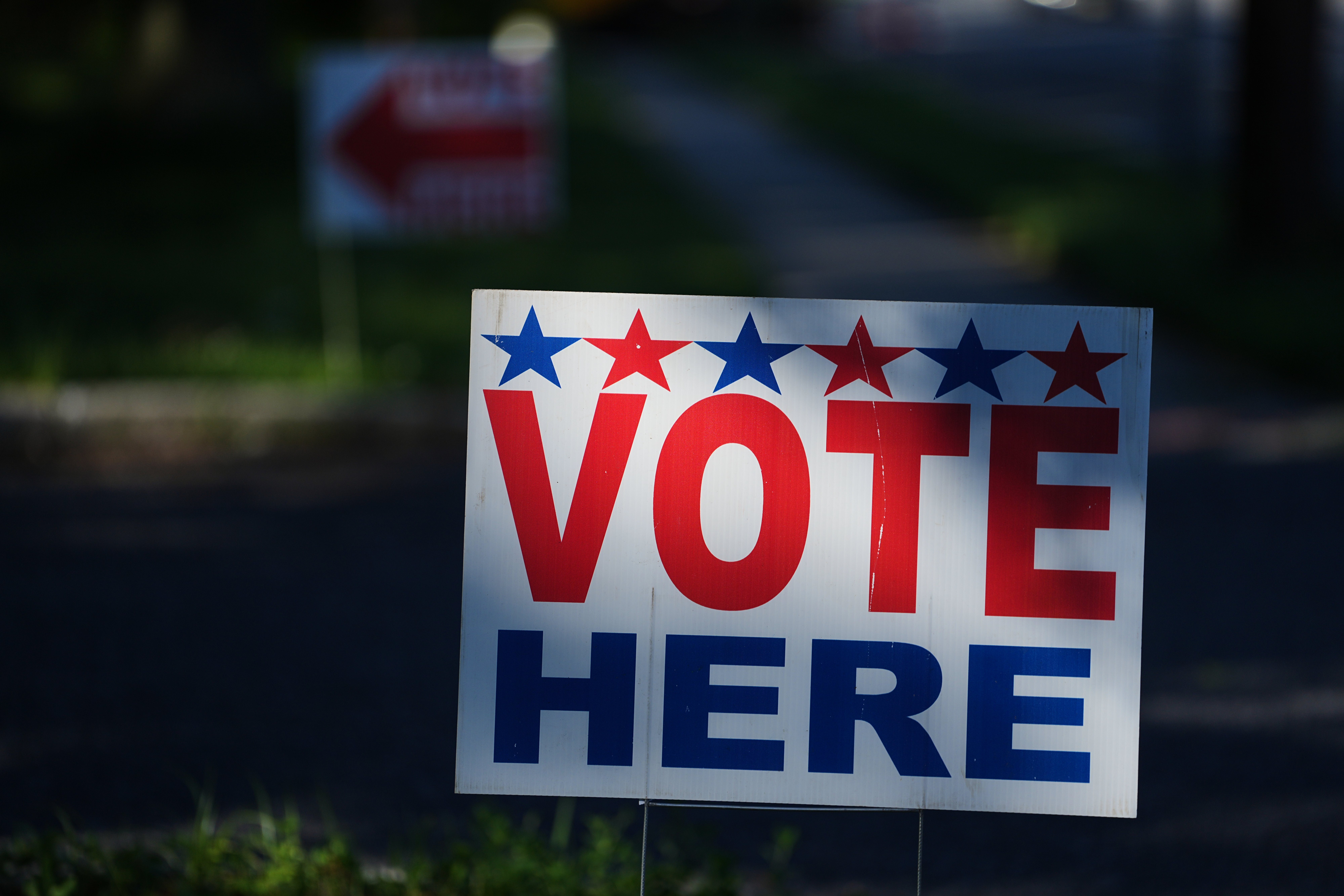 Key dates to know:
How to vote: Voters in New York City have several options:
You can find more information about How to Vote here. Where to vote: Voters must go to their assigned early voting poll site, which may be different from their usual Election Day location. You can look up your site through the NYC Board of Elections poll finder here. Hours, days, and what to expect when voting Early voting hours can vary by day, but they are typically between 9 a.m. to 5 p.m., and extended hours until 8 p.m. on certain weekdays. Same as Election Day, voters privately fill out and scan their ballots, and those votes are then counted with Election Day totals. Voting early by mail:
Who can vote and rules to know:
Who’s on the ballot? In the June primary, voters will see a mix of city, state, and federal offices. Melania Trump unveils a spinoff of Trump Accounts for children in foster careFriday June 12th, 2026 05:07:52 PM Fatima Hussein | The Associated PressFirst lady Melania Trump and Treasury Secretary Scott Bessent on Thursday announced the launch of Fostering the Future Accounts, a spinoff of the Trump Accounts investment funds meant to give $1,000 to every newborn whose parent opens one. Building on her work helping foster children, Trump said the new federal guidance will give child welfare agencies the ability to act as a guardian for children in foster care for the purposes of opening an account. The first lady, speaking at a news conference at the Treasury Department, said the move “gives foster children the same chance at asset ownership and long-term wealth as every other child.” The accounts will be open for contributions on July 4. To qualify for an account, a child must also be a U.S. citizen born between Jan. 1, 2025, and Dec. 31, 2028. The White House Council of Economic Advisers estimates that a Trump Account balance for a baby born in 2026 will be $5,800 by age 18 and $18,100 by age 28 if no other contributions are made. The first lady said 23 governors, all Republicans, have pledged to allow state agencies to begin the process of enrolling children in the program. “I urge every governor and business leader to help fund these accounts,” she said. There are roughly 330,000 children in the U.S. foster care system, according to the National Council for Adoption. One in 5 of them is at risk of homelessness after aging out of foster care, and only half gain employment by the time they are 24, the National Foster Youth Institute says. “Those outcomes are unsettling, but we refuse to accept them as inevitable,” Bessent told the news conference. “We are affirming that the American dream belongs to every child.” A provision of President Donald Trump’s tax and spending legislation that he signed into law last summer created Trump Accounts. Under them, the Treasury Department gives $1,000 to babies so long as their parents open an account. That money is then invested in the stock market by private firms, and the children can access the money when they turn 18. Employers and billionaires across the country have pledged to make matching Trump Account contributions for employee benefits. Among them are Michael and Susan Dell, who announced a $6.25 billion donation, and hedge fund founder Ray Dalio and his wife, Barbara, who pledged $75 million for kids under 10 in Connecticut, where the Dalios live. He took his wife, a Trump fan, to the president's hotel in Doral. Instead he was detained by ICE.Friday June 12th, 2026 04:21:29 PM Albinson Linares, Anagilmara Vílchez and Ronny Rojas | NBC NewsBryan José Rojas Galofre wanted to give his wife a lovely honeymoon to see the beach for the first time and perhaps a glimpse of President Donald Trump, whom she supports. Their January 2025 road trip from Wisconsin to Miami, however, turned into a nightmare, according to the couple: Rojas, a Venezuelan immigrant whose wife and young children are U.S. citizens, was detained following a stop at a Trump hotel security checkpoint. He spent more than three months in ICE custody in Florida. Rojas also faced accusations of gang affiliation; he says he feared being deported to El Salvador and lost his stable job and work permit. The family says they’ve lost their house and car, had to deplete Rojas’ 401(k) and are in debt. “In the end, it was a bad decision,” Rojas, 34, said in an interview with Noticias Telemundo about wanting to take his wife, Socorro Zaragosa, to the Trump National Doral hotel. They wanted to see if they could catch a glimpse of the president, who was there inaugurating a Republican retreat on Jan. 27. Rojas said they had made reservations to stay at that hotel starting the following day. Zaragosa, 22, a U.S. citizen, was raised in Wisconsin in a family that supports the current U.S. president. “I’m his fan. I believe Trump is a good president,” she said.However, Zaragosa noted this political loyalty co-exists with the disappointment she feels over the months her husband spent in detention. “What he is doing to migrants isn’t fair,” Zaragosa said of the president. “What happened to my family wasn’t fair.” From honeymoon to detentionRojas had arrived in the U.S. in September 2021, during the administration of President Joe Biden. He turned himself in to Border Patrol, telling them he was fleeing Venezuela, and was released while his asylum application was being processed. Since then, Rojas had been working at a brake disc factory in Wisconsin, where he earned $29 per hour and was promoted to line supervisor. He married Zaragosa in September 2024 and said he began the process of seeking to adjust his immigration status through family sponsorship just as they were setting off on their honeymoon. Rojas and Zaragosa decided to head toward the hotel the afternoon of Jan. 27, 2025. As they approached, they encountered a security checkpoint required to access the premises, where agents from the Secret Service and the Doral police searched their vehicle.  Beneath one of their car’s seats, the agents discovered an air pistol, also known as an airsoft gun — a device that fires plastic pellets and is used for sports and recreational purposes. Zaragosa stated that she carried it for personal safety when driving alone, as it bears a resemblance to certain actual firearms. Authorities also found a metal marijuana grinder in the passenger-side glove compartment. The couple was arrested by the local police and charged with one count of possession of drug paraphernalia with intent to use. They pleaded not guilty, and the case remains open. Rojas claims that when the agents noticed his tattoos — depicting a crown, a Chinese dragon and dollar signs — they separated him from his wife. “They pulled me out of the car, they checked my tattoos, they started asking if I belonged to a gang, they took photos of me and put me under review to see if I was linked to terrorism,” Rojas said. “At that time, the news surrounding the Tren de Aragua gang was making major headlines.” Rojas said his tattoos are personal matters and he doesn’t belong to any gangs. Rojas’ attorney, Tahimi Rengifo, said that at the beginning of the Trump administration, there was a heavy focus on tattoos and their alleged connection to the Tren de Aragua gang, which she said was a “broad generalization — we are talking about young men who got tattoos without even knowing what they meant, and now they are facing serious consequences under this administration.” In the days that followed, the Department of Homeland Security transferred Rojas to the Federal Detention Center — a jail in downtown Miami — while it verified whether he had ties to Venezuelan gangs. Rojas spent nearly three months on the 13th floor of that prison, where he feared being deported to El Salvador, since many Venezuelan detainees held alongside him were transferred to that country. Rojas said he and his wife weren’t able to speak to each other for a full month after he was taken into custody. While Rojas was in detention, Zaragosa was alone with their first child, who was only 6 months old at the time. “I thought that was it — that my family was over. I thought I would wake up one day and find that I had lost him,” Zaragosa said, “that I would be left all alone with my son.” Immigration Judge Scott G. Alexander, after reviewing all the evidence, granted Rojas bond on April 18, 2025 — a decision implying that he found Rojas posed neither a danger to the community nor a flight risk. He was released on a $15,000 bond and then transferred to the Broward Transitional Center in Pompano Beach while his family posted the bond and gathered additional documentation. He wasn’t released from detention until May 6, 2025. “People operate under the assumption that once they win their hearing, they will be released immediately,” Rojas’ lawyer said. “Unfortunately, it doesn’t work that way.” “Bryan had no criminal record whatsoever; he hadn’t committed any crime. He had a pending legal proceeding that, under any previous administration, would not have been an issue,” Rengifo added. “But under this administration, all these small details — the tattoo, the grinder, the BB gun — combined to create a situation that escalated significantly.” A legal limboRojas’ release did not mark the end of his troubles. His work permit expired during his detention and was not renewed. Nor was he able to renew his driver’s license. The house they had purchased in Wisconsin is now up for sale, and they also had to sell their car. His 401(k) fund was depleted to pay for lawyers and his bail, Rojas said, adding that his debts now exceed $80,000. “I am in an immigration limbo that I wouldn’t wish on anyone. I don’t know how many people are in this situation — people who have posted bond, who have undergone vetting, who have no criminal record, who have been hardworking individuals since the moment they arrived, who have paid their taxes — and yet still have no right to a means of livelihood,” said Rojas. His next immigration hearing is scheduled for 2028. Such a time frame is not exceptional: According to the Executive Office for Immigration Review, immigration courts currently have a backlog of over 3.38 million active cases, and asylum cases take, on average, more than four years to resolve. Noticias Telemundo contacted DHS for comment on Rojas’ case. A spokesperson described him as a “criminal illegal alien from Venezuela who was arrested by local authorities January 27, 2025, after he attempted to enter Trump National in Doral, Florida, with an air soft gun. His criminal history includes charges for drug paraphernalia.” “Under President Trump and Secretary [Markwayne] Mullin, criminal illegal aliens are not welcome in the U.S.” the spokesperson said. Court documents tell a different version of Rojas’ case. The bond motion filed before the Pompano Beach immigration court — signed by attorney Johan Gutiérrez and submitted to the U.S.Department of Justice — states that Rojas “has never been convicted of any serious crime, crime involving moral turpitude, or disqualifying drug offense, either in the United States or in any other country in the world,” and was detained “solely because he entered the country irregularly.” Rojas rejected the description DHS provided of him. “They want to keep smearing my name just to avoid granting me a work permit, thereby denying me my Social Security benefits. It is an outrage against my wife — who is an American citizen — and my two children,” he said. Regarding the paraphernalia charge cited by DHS, Rojas’ attorney noted that it constitutes a civil infraction under Florida’s marijuana laws — an offense that federal courts have repeatedly determined does not amount to a controlled substance offense and does not trigger adverse immigration consequences. “In federal terms, this paraphernalia charge is not a crime that renders him inadmissible or ineligible for immigration proceedings. It is not a crime that would make him ineligible for the immigration relief currently pending before the immigration court,” Rengifo said. In April of this year, Rojas filed a complaint with the Department of Homeland Security’s Office for Civil Rights and Civil Liberties denouncing the conditions of his detention in Miami. In the complaint, Rojas alleged periods of confinement lasting entire days. “It is a federal prison where they would put you on lockdown for four or five days at a time — unable to speak with your family, eating food slid under the door and deprived of basic necessities. I was terrified, because someone actually died inside there. There were fights,” Rojas alleged. “What I felt while imprisoned was an overwhelming sense of loneliness, anguish and despair.” The Federal Bureau of Prisons declined to comment on the specifics of Rojas’ case but said that FDC Miami “has not placed detainees on lockdown” and that the facility instead implementedmodified operations, which allow controlled movement for access to telephones, computers, recreation and showers. It added that from April to July 2025, an elevator failure led ICE detainees to be placed on a rotating tier schedule allowing “three hours of daily access to phones, showers, recreation and computers” but that legal calls and visits were not disrupted. The Rojas family’s story unfolds against the backdrop of an administration that has taken steps to significantly restrict immigration to the U.S., including through asylum claims. In September, Deputy Secretary of State Christopher Landau told the United Nations General Assembly that the asylum system “has become a huge loophole in our migration laws.” In November, then-Homeland Security Secretary Kristi Noem ratified a comprehensive asylum rule that raises evidentiary standards, expands the grounds for denial and restricts asylum protections. Border czar Tom Homan has said that millions of deportations will be necessary and that while raids prioritize people with criminal records, “if you’re in the country illegally, you’re never off the table.” Rojas’ mother, Bernarda Galofre, claims that during the months her son was detained, the family fell victim to a scam. In her desperate attempt to help her son, she contacted a purported attorney via social media who, she alleges, turned out to be an impostor. “He would answer all my messages and ask me for various things; I would send him the documents he requested — I even sent him about $2,000. But then, all of a sudden, I never heard from him or his associates again,” she said. Galofre, who lives in Wisconsin, summed up the current situation: “All of this has affected my son in every conceivable way. As far as I’m concerned, he is still a prisoner, because he can’t do anything.” Zaragosa said she had always dreamed of having a family of her own after enduring a difficult childhood. The couple now has a 2-month-old baby girl. The day after giving birth, Zaragosa had to go to work because, as she recounts, “we had nothing” for the baby. “This has been very depressing for me,” she said. Rojas is now a full-time father, and the couple remains haunted by the fear that he could be detained again. He does not go out alone, and when he does venture out, he never strays from his family. Galofre suffers for her son, but also for her daughter-in-law and her grandchildren. She has not yet been able to meet the baby and regrets not being close by; she, too, has an ongoing immigration case and fears traveling. “The truth is, it hurts a lot,” she said. Zaragosa said she learned about Trump from her grandfather, who supports him. But given what they have experienced recently, she now believes the administration’s immigration policies are racist. “We are all human beings. God created us Himself.” Despite everything she has gone through, she says her feelings toward Trump haven’t changed: “I don’t think anything bad about the president. It wasn’t his fault; it was our fault.” “I just wanted to see him and fulfill a dream,” she said, “but in trying to make that dream come true, my life was ruined. It destroyed my happiness.” Rojas, for his part, has a message for the president. “I would tell Mr. President — and the United States government — to show a little compassion toward the people who truly are doing things right in this country. I arrived with a desire to work; I arrived with a desire to do things the right way,” Rojas said. An earlier version of this story was first published in Noticias Telemundo. Judge OKs Trump's UFC fights on the White House South Lawn this weekendFriday June 12th, 2026 03:03:08 PM Michael Kunzelman | The Associated PressA federal judge on Friday refused to stop the White House from staging a UFC show this weekend in an elaborate ring already built on the South Lawn to celebrate the nation’s 250th anniversary — on President Donald Trump’s 80th birthday. U.S. District Judge Amit Mehta’s ruling allows organizers to use the White House lawn as the venue for Sunday’s planned UFC mixed martial arts event. Mehta concluded that the plaintiffs likely don’t have legal standing to challenge the event and have failed to prove that they would suffer irreparable harm by the event going forward as planned. The judge also cited the plaintiffs’ “unreasonable delay” in suing to challenge an event that’s been in the works for months. “In the context of an emergency application — and coupled with the fact that the UFC fight date was long ago known — it is fair to say Plaintiffs unreasonably delayed bringing suit, undercutting their claims of irreparable harm,” Mehta wrote. Attorneys from the nonprofit Public Integrity Project sued to challenge Trump’s “UFC Freedom 250” event on behalf of an activist and a Vietnam War veteran. The two plaintiffs also asked the court to block organizers from building anything for the event on White House grounds, including a 92-foot-tall, 600-ton steel structure called The Claw. The plaintiffs’ alleged “aesthetic harms,” the judge noted, are temporary since The Claw will be disassembled starting Monday morning and staging equipment at the Lincoln Memorial must be removed before then. “The President’s musings about permanency of the Claw does not move the dial in the face of a White House official’s clear representation,” the judge wrote. The White House called the lawsuit a baseless attempt to prevent Trump from hosting an event that’s no different from many others routinely hosted at public forums in the nation’s capital. Trump’s administration can’t issue permits for sporting events on the South Lawn or at the Lincoln Memorial, where UFC fighters planned to hold a press conference in front of fans on Friday, according to plaintiffs’ attorneys. They noted that the event is a privately organized, for-profit business venture, with VIP packages costing millions of dollars. “The President’s administration is granting the UFC an extraordinary business opportunity it may not lawfully grant, and in exchange the UFC is throwing an event at which its leadership, fighters, advertisers, and various celebrities will all pay tribute to the President on his birthday,” plaintiffs’ attorneys wrote. Public Integrity Project attorney Brendan Ballou said the plaintiffs were disappointed in the judge’s decision but respect it and intend to “keep bringing cases to raise the cost of corruption in America.” “This isn’t a case about a sporting event, it’s about corruption, as a handful of people and companies stand to profit from our public monuments,” Ballou said in a statement. The National Park Service and the Interior Department are named as defendants in the lawsuit. In 2019, during his first term in office, Trump became the first sitting president to attend a UFC show. Trump, a Republican, is a friend of UFC president and CEO Dana White. Mehta was nominated to the bench by President Barack Obama, a Democrat. Mehta has presided over other Trump-related cases, including civil litigation accusing Trump of inciting a mob of his supporters to attack the U.S. Capitol on Jan. 6, 2021, after he lost the 2020 presidential election to Joe Biden, a Democrat. Trump's name is fully removed from Kennedy Center, official tells judgeFriday June 12th, 2026 01:16:35 PM Gina Cook, Aimee Cho, Steve Sloan, Associated Press and NBC NewsAll references to President Donald Trump inside, outside and on the Kennedy Center’s website, have been removed from the performing arts center, an official told a federal judge on Saturday. Tarps blocked the view of the lettering outside. The message from the Kennedy Center official puts the performing arts center in compliance with the court’s extended order requiring them to remove Trump’s name, NBC News reports. Workers began removing Trump’s name from the exterior of the Kennedy Center early Saturday, hours after a court-ordered deadline to remove references to the president and following storms that disrupted the work. Scaffolding went up outside the Kennedy Center Friday as crews were expected to remove Trump’s name from the exterior of the building. Crowds formed to watch. The Kennedy Center asked a judge to extend the deadline until noon Eastern Time on Saturday because of thunderstorms that had swept through the Washington area, causing a delay, the Associated Press reported. In the filing, the Kennedy Center offered assurance that the “removal work is presently ongoing” and would “conclude in the early hours of the morning.”  A few hours later, workers began covering the scaffolding with tarps before they eventually started taking down Trump’s name. They packed up and left the site at about 3:30 a.m., though the tarps remained, leaving it impossible to determine if all the letters had been removed. Several workers wearing neon yellow vests and hard hats worked for hours on an intensely hot and humid Friday afternoon, putting the scaffolding together. Live video showed the crews continue to build the scaffolding into the late afternoon. They took a break from working as storms with rain and thunder came through about 4 p.m. Boisterous cheers erupted from a crowd of onlookers at times as the scaffolding continued to climb higher. The crowd included federal workers who were fired during DOGE’s massive layoffs, family and friends of Kennedy Center employees who were fired, longtime patrons of the performing arts center and Tara Hoot, who was the first drag queen to have a residency at the Kennedy Center. At one point, they chanted, “Take them down!” Some drivers passing by honked in apparent celebration. One woman posed for a photo in front of the building while holding bottle of sparkling wine. Letters on the side of the cultural institution said “The John F. Kennedy Center for the Performing Arts” until Dec. 19, when, without congressional approval, an upper line of letters was added to say “The Donald J. Trump and.” A federal judge ruled last month that Trump’s handpicked board of trustees acted illegally when they voted to add Trump’s name to the venue, which Congress in 1964 named for Kennedy, who had recently been assassinated. Friday marks the deadline for removing Trump’s name. “The Kennedy Center’s organic statute makes crystal clear that the Center is to be named for President Kennedy, and it cannot bear any other formal name or public memorial based on the Board’s unilateral say-so. Congress gave the Kennedy Center its name, and only Congress can change it,” wrote U.S. District Judge Christopher Cooper. Trump’s handpicked board at the Kennedy Center mounted a last-minute effort to keep his name on the facade of the iconic performing arts facility. The board sought a stay of U.S. District Judge Christopher Cooper’s May 29 ruling that said Trump’s name was illegally added to the Kennedy Center. A judge on Friday denied the Kennedy Center’s request to pause the ruling ordering Trump’s name be removed. A Kennedy Center spokesperson didn’t immediately comment on the ruling. Last week, the Kennedy Center received an email from its general counsel that laid out steps for cooperation, including the removal of Trump’s name. After mostly ignoring the Kennedy Center during his first term, Trump soon made the center a key part of his overall mission to purge federal cultural institutions of so-called “woke” influences. He ousted the leadership, filled the board of trustees with supporters and presided over such signature events as the Kennedy Honors ceremony. In response, numerous performers cancelled planned appearances at the center, including Issa Rae, Bela Fleck and Renée Fleming. News4 sends breaking news stories by email. Go here to sign up to get breaking news alerts in your inbox. Trump is raising expectations that this time he really will close deal with Iran to wind down warFriday June 12th, 2026 05:43:00 AM Aamer Madhani, Farnoush Amiri and Lisa Mascaro | The Associated PressPresident Donald Trump has long been looking for this weekend to be a big one for his presidency. The World Cup returns to the U.S. on Friday for the first time in 32 years after Trump threw himself into winning the bid to co-host the soccer tourney during his first term. He’ll be feted Sunday, his 80th birthday, during a UFC fight night that’s expected to draw thousands to the White House grounds. Hours after the final bout, he’s scheduled to jet off to the G7 summit in the French Alps for talks with several world leaders he’s been beefing with over war and tariffs. But Trump set expectations even higher for the coming days when he announced Thursday that the U.S. and Iran could come to terms this weekend on an agreement that would set the pathway to end the three-month-old war that’s been broadly unpopular with Americans and has rattled global oil markets. He said he plans to dispatch Vice President JD Vance to the signing of the agreement. Trump has said on several occasions in recent weeks that he’s on the cusp of a deal without anything coming to fruition. Iranian Foreign Minister Abbas Araghchi posted Friday on X that an agreement “has never been closer.” He gave no details, saying a final deal was still pending. Still, Trump is claiming this time might be different. The breakthrough comes after he threatened to escalate the conflict with more intense bombardment of Iran and by seizing control of Iran’s oil industry, including capturing Iran’s vital Kharg Island oil facility. The president’s threats followed back-and-forth strikes this week that had rendered a temporary ceasefire agreed to in early April all but meaningless. “They’ve taken a pounding like very few people could take,” Trump said in an Oval Office exchange with reporters as he explained why he was confident that, this time, a deal would come through. “And they want to make the deal a lot more than I do.” Trump offered scant details about the settlement he says is taking shape, but told reporters that he believed the Iranian supreme leader, Ayatollah Mojtaba Khamenei, who was thought to have been wounded on the first day of the war and has not been seen in public since, is ready to sign off on the deal. Underscoring the fragility of the talks, Trump on Friday lashed out at Iranian officials on social media and said: “They better get their act together, and FAST!” The White House on Friday signaled that efforts on landing the deal continued. The contours of the emerging agreement call for Iran’s nuclear material to be destroyed and removed and its nuclear program to be dismantled, according to a senior administration official who was not authorized to comment publicly and spoke on the condition of anonymity. Iran is expected to receive sanctions relief if a deal is reached, but Vance stressed its government would only receive “economic benefits” if it meets obligations. “The president is going to get us a good outcome, one way or the other,” Vance said in a posting on X. Trump’s heightened threats are aimed at creating an off-rampWith the conflict intensifying over the past week, Trump’s threat to escalate U.S. military action seemed in part aimed at demonstrating to the hawkish flank of his political base that he was willing to play “hardball” with the Iranians if they didn’t come to a deal soon, said Ali Vaez, Iran director at the International Crisis Group. Trump in March warned he would target Iran’s infrastructure and put American troops on Kharg Island before he ultimately backed down, and the two countries agreed to the temporary ceasefire. Almost immediately after raising the idea again on social media Thursday, Trump appeared to back away. He called into a morning show on Fox News Channel and questioned whether Americans had the “stomach” for an option that would require putting U.S. troops in harm’s way. Hours later, Trump announced he had decided to cancel orders for “very hard” strikes on Iran and said a deal was close. Vaez said even as Trump was posting on social media Thursday about escalating strikes, mediators from Pakistan, Turkey and Qatar had been making progress in their talks with Iran. At the same time, Iran also may have reset the equation for Trump with its decision last weekend to attack Israel directly for the first time since the ceasefire after Israeli forces carried out military strikes on Iranian-backed Hezbollah militants in Lebanon. With the move, Iran signaled that Israel could no longer bomb Lebanon without facing a meaningful reaction and in the process also raised the cost for the U.S. to follow through on its commitment to help safeguard Israel. “It really does appear to me that Trump wants to bring this to an end, but his real challenge is that he’s looking for a victory lap and an exit ramp and those two things are not necessarily compatible,” Vaez said. Trump expresses frustration with war narrativeTrump has been boasting since the early weeks of the conflict that he’d already won the war — much of the Islamic Republic’s leadership has been killed in the bombings and the Iranian navy and air force have been severely degraded. But Iran continues to effectively keep the Strait of Hormuz closed, choking a waterway through which about 20% of the world’s oil supply passed before the war, and has yet to agree to restart negotiations with the U.S. over its concerns about Iran’s nuclear program, the main reason Trump and Israeli Prime Minister Benjamin Netanyahu gave to justify launching the war. But the real problem, Trump grumbled Thursday, was largely a public relations issue. “They could wave the white flag of surrender. They could say: ‘We surrender, we surrender, we’re finished, we’ve had it. The United States is the greatest power, praise be to Allah,’” Trump said on Fox News. “They could say it loud and clear. And the fake news would say it was a great victory for Iran.” Rep. Michael McCaul, R-Texas, a former chairman of the House Foreign Affairs Committee, said Trump has grown impatient with Iran and the renewed strikes and threats on Kharg Island and Iran’s energy sector were intended to get the negotiations back to the “right place.” Polls show that the conflict is largely unpopular with Americans. McCaul said he believes the Iranians want to “try to drag this out as long as they can,” closer to the midterm elections in November, because they see that as being to their benefit. War will be high on agenda at next week’s G7Deal or no deal, the war will loom large during next week’s talks at the Group of Seven summit in bucolic Évian-les-Bains, France. Trump has frequently criticized some of the group leaders — British Prime Minister Keir Starmer, French President Emmanuel Macron, Italian Prime Minister Giorgia Meloni and German Chancellor Friedrich Merz — for resisting his calls to aid the U.S. and Israeli war effort. The four leaders have also angered Trump by criticizing how he’s gone about executing the war and his lack of consultation with allies before jumping into a conflict that’s hurt the global economy as oil prices have surged. But Trump said he is optimistic he could have an agreement before his talks with leaders in France. “The strait will officially open as soon as we sign, which could be soon, very soon — maybe over the weekend in Europe,” Trump said. Trump nominating U.S. Attorney Jay Clayton to be national intelligence directorThursday June 11th, 2026 02:35:16 PM Collin Binkley | The Associated PressPresident Donald Trump said Thursday that he plans to nominate Jay Clayton, the U.S. attorney for the Southern District of New York and a former Securities and Exchange Commission chairman, as director of national intelligence. Trump announced the nomination on social media amid pressure from Congress to name a permanent replacement for Tulsi Gabbard, who resigned last month. Trump faced intense pushback over his decision to name Bill Pulte, head of the Federal Housing Finance Agency, as acting director. The job oversees the coordination of 18 intelligence agencies. The situation has led to a standoff in Congress after Democrats said they would refuse to renew foreign intelligence powers unless Trump pulled Pulte’s nomination and named a permanent nominee. “Few people anywhere in the Legal Community are respected at the level of Jay,” Trump wrote. “I encourage the United States Senate to confirm Jay as soon as possible.” As the U.S. attorney in Manhattan, Clayton oversees the largest and most prestigious of the Justice Department’s prosecution offices, with a vast portfolio ranging from terrorism and espionage cases to security fraud and public corruption. He took over from interim U.S. attorney Danielle Sassoon, who resigned in February after refusing to carry out orders from the Justice Department to drop corruption charges against Mayor Eric Adams. The case was eventually dropped after prosecutors from Washington submitted a request to a judge. Republicans hope to move quickly on nominationClayton appeared Monday on CNBC’s “Squawk Box,” where he raised questions about the integrity of California’s elections. Trump has claimed without evidence that the state’s slow count in its recent primaries meant the vote was rigged. “The American people are right to question it,” Clayton said, adding that the delay in results increased the opportunity for fraud. Senate Majority Leader John Thune, R-S.D., says the Senate could move “fairly quickly” to confirm Clayton as Director of National Intelligence if the White House submits his paperwork soon. He praised Clayton after Trump said on social media that he would nominate him for the job, saying he has a “great reputation.” Democrats are holding up the renewal of a key surveillance law, the Foreign Intelligence Surveillance Act, in protest of Trump’s decision to temporarily tap Pulte. They say they won’t support an extension of the law, which expires at midnight on Friday, until Trump withdraws Pulte’s appointment. Trump previously said Pulte would take over on June 19. It is unclear whether the Senate could move quickly enough to confirm Clayton before that date. “I don’t know what realistic is, but we’re gonna probe the limits of it,” Thune said. Connecticut Rep. Jim Himes, the top Democrat on the House Intelligence Committee, said he has “known and respected” Clayton for decades and that had he been tapped as DNI a week ago, “lots of pain might have been avoided.” “His intelligence, temperament and deep commitment to public service will make him a terrific DNI,” Himes said. Asked about Clayton’s nomination, Senate Democratic Leader Chuck Schumer said that “Pulte has to go.” “He cannot be in the DNI role,” Schumer said. “It’s too important.” Trump’s pick has led SDNY during a tumultuous periodClayton navigated his way through a 14-month tenure in the Southern District of New York without clashing with the federal judges in the busiest court in the nation, unlike his counterparts in upstate New York and New Jersey. After his interim term expired after 120 days, the judges of the Southern District appointed him as U.S. attorney. Clayton was sworn in as U.S. attorney in April 2025 on the same day three prosecutors resigned, saying they felt pressured to admit wrongdoing or regret about prosecuting the now-dismissed corruption case against then-New York Mayor Eric Adams. Then, weeks later, the office had to withstand controversy over the Trump administration’s firing of one of its most respected and successful prosecutors, Maurene Comey. She claims she was fired because of Trump’s dislike of her father, former FBI Director James Comey. Under Clayton, the Manhattan U.S. attorney’s office facilitated the unsealing of thousands of pages of court records from the prosecutions of Jeffrey Epstein and Ghislaine Maxwell — documents that were made public as part of the Justice Department’s release of records related to the late sex offender and his longtime confidant. Clayton filed documents with the court explaining the process the government followed in releasing the materials. Clayton has also overseen the prosecution of former Venezuelan President Nicolás Maduro and Maduro’s wife, Cilia Flores, on drug trafficking charges. Clayton has overseen cases involving national security threatsSeveral recent terrorism cases brought by Clayton’s office touch on the global threats and influences that he’ll be navigating if confirmed as director of national intelligence. They include the May arrest of Mohammad Baqer Saad Dawood Al-Saadi, an Iraqi and Iranian citizen accused of plotting 20 attacks in Europe and Canada and planning to attack a Manhattan synagogue and Jewish centers in Los Angeles and Scottsdale, Arizona, in retaliation for the U.S. war on Iran. “There are foreign nations and terrorist organizations that see our success as a threat. A threat that they want eliminated,” Clayton said at a recent press briefing. “That is a stark truth.” “And don’t take my word for it,” he added. “Take their words and their actions. When your enemies tell you something, and when they act, you should know that they mean it.” The first Trump administration tried in June 2020 to install Clayton, then the chairman of the SEC, as U.S. attorney in Manhattan, but backed down and instead allowed Deputy U.S. Attorney Audrey Strauss to serve in the post. The reversal came after then-U.S. Attorney Geoffrey S. Berman agreed to step down, following assurances that probes into Trump allies would not be disrupted and that Strauss could lead the office. At the time, the office was looking into dealings by Rudy Giuliani, who was serving then as Trump’s personal attorney, and was also investigating the actions of a state-owned Turkish bank. Trump doubled down on naming Pulte as the acting director, even though he emphasized it would be a short-term job. The president said he wanted Pulte to downsize the office, which has already been significantly scaled back in his second term. Gabbard resigned on May 22, citing her husband’s cancer diagnosis. Trump said last week that he was interviewing five candidates for his pick to lead the agency permanently and that all have national security backgrounds. $60M and 7 federal agencies required to stage Trump's UFC fight at White HouseThursday June 11th, 2026 10:22:18 AM Jesse Bedayn | The Associated PressPresident Donald Trump’s planned UFC fight on the White House’s South Lawn has required a monumental effort from more than seven federal agencies, hundreds of staff working onsite daily and at least $60 million, according to a legal filing that offers a glimpse into the preparations. The event is part of the 250th anniversary of America’s founding, and is scheduled for the weekend with the main attraction — seven mixed martial arts matches — on Sunday. That is, if a judge doesn’t halt the proceedings, which is sought by two Virginia residents in a federal lawsuit against the National Park Service, which oversees the South Lawn. The agency filed a rebuff of the request Tuesday in court, and, in it, laid out the operations for the event. “Well over $60 million and tens of thousands of hours of labor have been expended,” the document read, adding that the money came from the UFC and groups affiliated with it. The octagonIt’s the eight-sided cage that surrounds the sometimes bloodied combatants and sits at the center of the constructed arena on the South Lawn. The arena is expected to hold 4,000 spectators, with another 120,000 visitors — who swung tickets from an online lottery — anticipated to watch from the nearby Ellipse. The installation began May 20, and the Secret Service worked with the UFC to screen between 20 and 30 trucks of equipment — as well as between “700 and 900” staff — that came in daily for the installation. The document did not specify the extent of government resources spent on the project, but said seven agencies, including Homeland Security and the Federal Aviation Administration, have “allocated significant resources and manpower.” The scheduleIt’ll kick off Saturday with a ceremonial weigh-in at the Ellipse, followed by a concert by country musicians The Zac Brown Band. A UFC Freedom 250 Fan Fest will be ongoing through the weekend, with “interactive experiences,” live shows, celebrity appearances, “exclusive on-stage moments,” meet and greets, live music and interviews with the athletes. Sunday night is when the seven bouts kick off. At the close, Trump is scheduled to fly to France for the G7 summit. Disassembly of the installations will begin the next day, and they are expected to be entirely removed by June 23. The athletes’ Epsom salt bathsThere are 14 athletes competing, and their training is rigorous. Preparations start months in advance, working toward more intense weight cutting and diet alteration in the final week that can include fasting, extreme sauna use and hot Epsom salt baths. They could be shaving as many as 20 pounds before weigh-ins, which are designed to keep the competition fair between similarly weighted combatants. Lawsuit calls it ‘corrupt’It was filed Saturday by the Public Integrity Project on behalf of the two Virginia residents and argues that Trump’s authorization of the event violated National Park Service regulations prohibiting sporting events on federal parklands. One of the attorneys, Brendan Ballou, characterized it as a “corrupt use of our most sacred national monuments for private gain.” The National Park Service pushed back on that claim, but also detailed the event’s preparations to make a point. “All these hopes could be dashed at the very last moment,” it read, “by the whim of two people who believe they have superior taste and want to spoil the event for everyone else.” U.S. starts revoking visas allegedly tied to ‘birth tourism' networkWednesday June 10th, 2026 07:24:57 PM Alex Terreros l TELEMUNDO 39The U.S. State Department said it has begun revoking visas of people who entered the country on tourist visas to give birth. The department announced Wednesday that it has launched an offensive against individuals and international networks involved in what is known as “birth tourism” — a practice in which foreign nationals seek to enter the country on visitor visas with the primary purpose of giving birth so their children can obtain U.S. citizenship. According to the federal agency, a U.S. embassy in West Africa uncovered a network of more than 100 foreigners who allegedly used fraudulent documents and visa “brokers” to obtain travel permits. Authorities indicated that the visas were revoked and that they are working with local authorities to identify similar operations. In Europe, another embassy identified more than 400 suspicious cases since 2024. Investigators linked those cases to at least six companies that, according to the State Department, advised applicants on what to say during consular interviews, coordinated housing in the United States and arranged birth plans. The agency also reported that another embassy in North Africa revoked more than 100 visas from individuals flagged as “birth tourists.” Consular officials, working in coordination with security agencies and through data analysis and cross-referencing, identified several networks and individuals abusing the immigration system. “A U.S. visa is a privilege, not a right,” the State Department said, warning that it will continue taking action to dismantle these operations and hold accountable those who attempt to defraud the system, according to a post on the federal agency’s social media. What this measure meansVisitor visas, such as B-1/B-2 visas, cannot be used when the primary purpose of the trip is to give birth in the United States to obtain citizenship for a child. Consular authorities can deny or revoke visas if they determine there was fraud, misrepresentation of information or misuse of the process. The announcement comes amid increased federal government scrutiny of visa applications linked to potential birth tourism schemes. So far, the State Department has not publicly identified the specific countries where the alleged networks operated. ‘I love the inflation': Trump's new, surprising take on the higher cost of livingWednesday June 10th, 2026 06:20:14 PM Josh Boak | The Associated PressPresident Donald Trump on Wednesday showed how he had learned to stop worrying about inflation and simply, in his own words, “love” it. Asked about the new report that the consumer price index in May had jumped 4.2% over the last year, the president took a surprisingly optimistic tack with the challenging news. Trump didn’t dismiss the affordability issue as a “hoax” that was started by Democrats, as he has done previously. Nor did he claim that he was bringing down the cost of living. Instead, after the government said that inflation spiked to the highest level since April 2023, Trump praised the numbers. “You know what I really love?” Trump said. “I love the inflation.” It was an unexpected take given that voters ahead of the November midterm elections have ranked the economy as a top concern — and have given Trump low marks on that issue. Within minutes of his on-camera comment, Democrats quickly rushed to promote it on social media. Trump had pledged in his 2024 campaign to quickly vanquish inflation, but his argument now is that higher prices are solely a function of the Iran war raising energy costs. On Wednesday, he claimed that relief is already on its way because of a secret military operation that had ferried what he said was 100 million barrels of oil through the Strait of Hormuz, the primary shipping channel for 20% of the world’s global oil supply that has been effectively closed by the war since late February. “Trump really said, ‘I love the inflation.’ On camera. For all of America to hear,” Senate Democratic Leader Chuck Schumer quickly posted on X. “His contempt for you knows no bounds.” House Democratic Leader Hakeem Jeffries said on X that with Trump’s stated love of inflation, “We finally found something that Donald Trump loves as much as he loves himself.” Rep. Emilia Sykes, D-Ohio, quickly pressed Energy Secretary Chris Wright at a hearing about whether he, too, loved inflation. “Do you love inflation?” Sykes asked. “I love ending Iran’s ability to have a nuclear weapon,” Wright answered. He only conceded after being pressed: “No, I would prefer lower inflation.” When asked about Trump’s specific comments, Wright said, “He’s an entertaining, hyperbolic guy who’s done tremendous leadership.” Trump claimed the secretive shipments were why oil prices had fallen below $90 a barrel, after surpassing $110 at the start of April. “I’m just announcing today for the first time, but we’ve been taking out millions of barrels of oil, millions of barrels every night,” Trump said. On social media, the president said the mission began last month and had “resulted in more than 100 MILLION Barrels of Oil making its way through the Strait, and into the Open Market. More than 200 Commercial Ships have safely traveled through the Strait.” There was no immediate data available to back up that total, and it was not immediately clear what role the U.S. military had played. To put that figure into context, a daily average of 20 million barrels of oil had gone through the strait before the war, which would mean that Trump’s mission had resulted in the equivalent of five days’ worth of normal oil shipments. Responding to the new inflation report, the White House pointed out that some expenses had dropped in May relative to the previous month: the price of new vehicles, prescription drugs and auto insurance, for example. But when the overall inflation number is paired with the change in hourly wages, there is a bleak sign that people’s spending power relative to their earnings has declined. “President Trump has consistently maintained that oil and gas prices — and thus overall inflation — will plummet once the Iran situation is resolved, and the administration will continue pushing our affordability agenda to enable Americans to keep more of their hard-earned money,” White House spokesman Kush Desai said in an email. But the financial markets were cautious about Trump’s claims that he was lowering prices by getting oil tankers through the strait — claims that came as the United States also launched airstrikes against Iran, and as Tehran fired back at countries in the region. U.S. crude oil futures climbed roughly 4% on Wednesday afternoon, trading at nearly $92 a barrel. This story uses functionality that may not work in our app. Click here to open the story in your web browser. Primaries takeaways: Platner's big night, Clyburn carries on and Trump's support gets mixed resultsWednesday June 10th, 2026 12:26:49 AM Steve Peoples and Joey Cappelletti | The Associated PressNevada, South Carolina and North Dakota hosted primary elections Tuesday, but much of the political world was focused on Maine‘s high-stakes U.S. Senate contest. The results were never in question. Neither Republican incumbent Sen. Susan Collins nor Democratic challenger Graham Platner faced serious opposition for their party’s nomination. And yet Tuesday marked an especially significant moment for Platner, the embattled veteran and oyster farmer, who is fighting to rebuild his credibility in a campaign rocked by controversy. Elsewhere, President Donald Trump‘s clout within his party was tested anew in states like South Carolina and Nevada, where he endorsed his favored candidates. Democrats hoped to build momentum in Nevada as part of a broader push to reclaim key governor’s seats. Here’s some of the biggest takeaways from Tuesday’s primaries. Platner tries to shift the conversationThere is no question that Platner has repair work to do. The Maine Democrat openly acknowledged as much Tuesday night, telling a room packed with cheering supporters that “people can change.” “Any of those who feel let down or disappointed or disillusioned, it is my job to earn your trust, faith and support,” Platner said. He later added, “I’ve made mistakes in my life, mistakes that I regret, that I live with, that I continue to learn from.” It was hardly a defiant message for a man who sits at the very center of the Democratic Party’s fight to reclaim the Senate majority. Although he spent the closing minutes of his election-night speech attacking Collins, much of the night was choreographed to address other controversies. It was barely a week ago when revelations surfaced that Platner had engaged in sexually explicit messages with multiple women while married. Allies wondered if more baggage would emerge, and then The New York Times reported new allegations about his behavior during previous relationships. Platner’s mother took the stage before he spoke. She declared: “I am very, very proud of my son. I’m proud of who he is.” And then Platner’s wife appeared at his side before and after his speech. They held hands, touched foreheads and kissed. Platner’s rival for the Democratic nomination, Maine Gov. Janet Mills, suspended her campaign in April after it became clear Platner was in a commanding position. A much more difficult challenge lies ahead: earning his own party’s trust as he tries to defeat Collins, who is running for her sixth term. Maine race tests Democrats’ standardsAs the controversies surrounding Platner have mounted, his support among Democrats has remained intact. His victory — and his party’s response — underscores how much the party has changed in the Trump era. Democrats who once embraced a near-zero-tolerance approach to serious allegations of personal misconduct are increasingly prioritizing electability in their quest to return to power in Washington. Jim Messina, who led former President Barack Obama’s reelection campaign, said “a star is born” after Platner’s speech Tuesday night. Few lawmakers illustrated the Democratic Party’s evolution more clearly than Minnesota Sen. Tina Smith. On Monday night, Smith offered an unequivocal endorsement of Platner, saying that if she lived in Maine, “he’d have my support, no question.” Smith arrived in the Senate in 2018 after replacing Sen. Al Franken, who resigned amid allegations of inappropriate touching and kissing during the height of the #MeToo movement. She is joined by other Democrats who once derided Republicans’ acceptance of Trump and other controversial nominees, but now back Platner. Sens. Bernie Sanders and Elizabeth Warren have been — and continue to be — key supporters of Platner. But not all Democrats appear comfortable. Sen. John Fetterman of Pennsylvania had pushed Maine voters to support Mills, even though she dropped out. Mills issued a statement Tuesday night that did not mention Platner’s name. Rep. Josh Gottheimer of New Jersey pushed Platner to “get off” the ballot in a CNN interview. Expect Democratic leaders to face a new round of difficult questions about their own standards in the days and weeks ahead. Trump’s endorsement doesn’t deliver clean win in South CarolinaThe president was looking to rebound Tuesday from an embarrassing loss in Iowa last week, where his preferred candidate for governor was defeated in a rare rebuke from Republican primary voters. But South Carolina’s Republican gubernatorial primary offered only an incomplete victory. Trump-backed Lt. Gov. Pamela Evette was unable to secure a majority of the vote in the five-candidate field needed to avoid a runoff. She will face state Attorney General Alan Wilson on June 23. As the results came in, Trump called Evette and pledged to help her over the next two weeks, according to a person familiar with the private conversation who was not authorized to discuss it publicly. The night produced a more decisive result for one of Trump’s closest allies in Congress. Sen. Lindsey Graham avoided a runoff and secured the Republican Senate nomination over businessman Mark Lynch. Trump had warned that it would be a “DISASTER for the Republican Party” if Lynch won. Meanwhile, in Nevada’s 2nd congressional district, Trump-backed retired Lt. Col. David Flippo is facing former state Sen. James Settelmeyer. Republican Rep. Mark Amodei, who announced his retirement from the seat, has endorsed Settelmeyer, as has the state’s governor, Republican Joe Lombardo. Clyburn cruises to primary win after South Carolina redistricting scareLongtime South Carolina Rep. James Clyburn, who holds significant national political clout as the state’s lone Democratic House member, easily fended off a little-known primary challenger Tuesday. Just weeks ago, it was unclear if Clyburn would make it to a 18th term in office. Republican lawmakers, backed by Trump, considered a congressional map that would have significantly altered Clyburn’s majority-Black district and made it harder for him to hold onto the seat. But the Republican-led state Senate rejected the effort, leaving his district largely intact. Two Republicans are still competing for the chance to face Clyburn in November, but he is expected to be the overwhelming favorite in the general election. A win would likely ensure he plays a significant role in the lead-up to the 2028 presidential race. The U.S. election system can be slowIt took a full week for California’s general election matchup for governor to become clear. The final results for Maine could take even longer. And key primary contests in South Carolina are headed to a June 23 runoff. Despite what you may be reading on the internet, this is how U.S. democracy works. These differences in how votes are counted — and how long it takes — exist because the Constitution sets out broad principles for electing a national government, but leaves the details to the states. Tallying votes collected by local officials in individual precincts can take a long time — especially in states like Maine that offer ranked-choice voting, or South Carolina, which requires a runoff if none of the candidates earn more than 50% of the vote. In California, which held its primary elections last week, Republican Steve Hilton joined Democrat Xavier Becerra in qualifying for the November ballot for governor on Tuesday. Elections often take a long time to sort in the state, the nation’s most populous, largely because officials designed their system to prioritize accessibility over speed. In Maine’s crowded primary for governor, five Democrats were in the running and the state will move to its ranked-choice system to determine the winner. Historically, the process has taken more than a week to resolve. And in South Carolina, the Trump-backed Lt. Gov. Pamela Evette and state Attorney General Alan Wilson emerged from the crowded primary on Tuesday and will compete in a runoff election in two weeks. ___ Peoples reported from New York. House passes $70B bill to fund immigration enforcement for 3 yearsTuesday June 9th, 2026 05:34:42 PM Kevin Freking and Lisa Mascaro | The Associated PressA bill to provide nearly $70 billion for immigration enforcement narrowly passed the House on Tuesday and now goes to President Donald Trump for his signature, fueling the administration’s deportation agenda for the remainder of his time in the White House. Republicans used their majority to get the bill over the finish line, funding a pair of Homeland Security agencies through the next three years. The bill passed by a vote of 214-212, over the objections of Democrats. The White House says the bill will provide $38 billion for Immigration and Customs Enforcement, $26 billion for the Border Patrol and another $5 billion to cover unforeseen costs. It frontloads routine annual funding, ensuring a virtually uninterrupted flow of money as the Trump administration seeks to deport some 1 million people per year. Speaker Mike Johnson needed near-perfect attendance and unity on his side to complete weeks of action. The legislation got sidetracked over $1 billion for White House security, including for Trump’s new ballroom, and a $1.8 billion fund to compensate his allies who claim they have been unjustly investigated and prosecuted. Those proposals proved politically toxic and were scrapped. Now, the bill is focused entirely on immigration enforcement, a topic that Republicans have treated as a defining issue between the two major political parties and one they hope will carry them to victory in this year’s midterm elections. “It’s long overdue,” said Johnson, R-La., of the bill. “We have to fund border security and immigration enforcement, and it’s sad that Republicans have to do it on our own.” But Democratic Rep. Lloyd Doggett of Texas called it a “slush fund for ICE.” Funding accelerates Trump’s deportation agendaThe funding comes on top of the nearly $140 billion that the Republican-controlled Congress gave ICE and Customs and Border Protection last year as part of Trump’s tax and spending cuts bill. Democrats objected to giving the agencies more money without significant changes in the way they operate after the deaths of Alex Pretti and Renee Good in Minneapolis. For example, Democrats insisted that agents remove masks and be required to display their ID badges during enforcement operations and that they get a judicial warrant before entering private property. Instead, the funding will come with virtually no strings attached. Democratic leader Hakeem Jeffries of New York said Republicans weren’t focused on the top priorities of the American people and have cut access to Medicaid and nutrition assistance through Trump’s earlier tax and spending cut bill. “Republicans have now come back for more, to give ICE and Donald Trump’s violent mass deportation machine another $70 billion blank check, with no oversight, no accountability and no guardrails,” Jeffries said. House Majority Leader Steve Scalise countered that Democrats were not adequately supportive of law enforcement. “Make no mistake, if you’re voting yes, you’re not only voting to secure America’s border, you’re voting to fund law enforcement,” Scalise said. “And if you vote no, you are voting to defund the police.” Homeland Security faced longest shutdown in historyThe package is the result of a monthslong standoff in Congress after Democrats refused to fund the Department of Homeland Security in the wake of the immigration enforcement actions in Minneapolis and other American cities, leading to the longest shutdown in agency history. Negotiations had been underway with the White House to alter ICE operations as Democrats were demanding. When those negotiations failed, Republicans turned to a complicated procedural maneuver to get around the filibuster and pass the immigration funding with no Democratic votes. Rep. Jodey Arrington, R-Texas, the chairman of the Budget Committee, said the money would provide “regular, normal funding” that ICE and the Border Patrol would get through the annual budgeting process. “And we’re going to do it, not for one year, but for three years, so we don’t end up here again.” The Senate completed its work on the legislation last week during an overnight session. The final 52-47 vote on the bill was nearly party line, with Sen. Lisa Murkowski of Alaska the only Republican to oppose it. Money comes at pivotal time for Trump’s immigration agendaThe money will come at a pivotal time for the Department of Homeland Security, which is under new leadership after Trump replaced Kristi Noem with new Secretary Markwayne Mullin in March. While Mullin has vowed to keep the department out of the headlines, the administration is under pressure from anti-immigration advocates to deliver on Trump’s campaign promise of the largest deportation operation in American history. At the same time, the administration is making it more difficult for certain legal immigrants to remain in the U.S. with Temporary Protective Status or to obtain green cards. Lawmakers clash over DHS prioritiesOn the House side, Johnson had little margin for error. GOP leadership opted to avoid any hiccups and sent lawmakers home last week rather than take up the bill early Friday once the Senate had completed its all-nighter. Leading up to the vote, Democrats portrayed DHS as an agency that has used its new resources to buy private jets for its leadership, warehouse immigrants in deplorable conditions and attack U.S. citizens. “Republican leadership likes to talk a lot about common sense, but where is the common sense in giving this federal agency essentially unlimited funds without a single reform in place?” asked Rep. Pete Aguilar, chair of the House Democratic Caucus. Republicans countered that they were fulfilling their duty to safeguard the nation and support the men and women charged with enforcing the law. “Democrats can say whatever they want, but what it’s about is public safety. What’s it about is keeping Americans safe,” said Rep. Michelle Fischbach, R-Minn. ICE detention facility in Texas put detainees at risk, report findsTuesday June 9th, 2026 05:33:43 PM Michael Biesecker and Ryan J. Foley | The Associated PressMismanagement at a massive Immigration and Customs Enforcement facility in Texas created unsafe conditions that contributed to detainee deaths and suffering even as millions of wasted tax dollars enriched contractors, according to a federal report released Tuesday. The Government Accountability Office report documents serious problems at Camp East Montana, a sprawling tent facility at Fort Bliss in El Paso where three detainees have died in little more than six months. Evidence in one of those deaths, of a 55-year-old Cuban migrant who died in January after being held down by guards, was “missing or destroyed,” the report found. ICE rushed to open the camp in August before construction was complete and failed to conduct required oversight to ensure detainees were held in sanitary conditions and receiving adequate medical care, according to the report. The Department of Homeland Security noted that ICE has replaced the contractor running the facility. “This new contractor will allow Camp East Montana to continue abiding by the highest detention standards with the ability to provide more medical care on-site,” said DHS spokesperson Lauren Bis. The GAO’s findings echo past reporting by The Associated Press and other news outlets about dangerous conditions at Camp East Montana, which quickly became the nation’s largest immigration detention facility. But the government report also details previously undisclosed incidents, including that a detainee escaped in October due to what ICE called the contractor’s oversight failure. In January, a security guard lost a loaded firearm inside the facility that was never recovered. The contractor failed to administer skin tests to screen detainees for tuberculosis, relying on a questionnaire instead, the report said. The inadequate screening allowed a detainee with tuberculosis to be housed with the general population, which later suffered an outbreak. GAO is an independent, nonpartisan agency in Congress that investigates how federal funds are spent and evaluates whether programs and policies are operating effectively. The office opened its review into Camp East Montana at the request of Democrats in the House and Senate. Sen. Dick Durbin of Illinois called the report’s findings “damning.” “We now know even more details of how dangerous and irresponsible the Trump administration’s mass deportation campaign truly is,” said Durbin, the ranking Democrat on the Senate Judiciary Committee, adding that “those detained are experiencing conditions that shock the conscience.” U.S. & WorldA rush to build led to an inexperienced contractorFacing pressure to increase its detention capacity, the Trump administration routed the contract to build Camp East Montana through the Army to speed construction after ICE twice failed to successfully award one. That resulted in selecting a small, little-known contractor, Acquisition Logistics, for the $1.3 billion deal despite it having no prior experience operating detention facilities and facing what ICE called a “significant learning curve.” The Army — and later ICE after the camp was transferred to the agency — wasted millions of dollars paying for services it did not need because the contract did not account for fluctuations in the detainee population, the report said. The Army blew up to $11.5 million paying for guards, medical services, transportation and meals in the weeks before the camp held detainees. The agencies wasted millions more because it was contracted to pay the cost of meals for the camp’s maximum population of 5,000, even when the number of detainees there dropped to around 1,600, the report said. Facility didn’t initially meet detention standardsThe facility did not meet ICE detention standards or the contract’s requirements in several ways when it opened, in part because it had not been inspected as required by ICE policy, the report said. The camp lacked security cameras on the perimeter and had other surveillance blind spots that raised the risk of sexual assaults or escapes. The camp could not accommodate detainees using wheelchairs and had no showers compliant with the Americans with Disabilities Act, resulting in the disabled being held in medical care rooms. The recreation area wasn’t available for several days, and after one yard was opened, it wasn’t enough space to provide required time for detainees. The law library, space to meet with attorneys and a visitation area did not open for weeks, resulting in detainees being deprived of legal resources and contact with family and friends, the report found. The problems persisted as ICE began transporting more detainees there from across the country, the GAO found. While built to house up to 5,000 immigrants for short-term stays, its population has averaged about half of that from October until April, according to ICE’s most recent data. In the NewsMissing evidence and other problemsDetainees held at the facility didn’t receive comprehensive health assessments, which meant that those with chronic conditions received substandard care, the report said. The contractor cleaned the dormitories weekly rather than daily as required, resulting in unsanitary conditions. Some guards offered detainees cookies if they would clean their own rooms. Acquisition Logistics didn’t reply to messages seeking comment. The GAO report says investigations into the January death of Geraldo Lunas Campos were undermined after “evidence associated with the incident was missing or destroyed.” It did not elaborate. Campos died after he was restrained by guards and an outside autopsy report ruled the death a homicide due to asphyxia. The contractor at the facility did not provide use-of-force and death reports to ICE as required, according to the new report. An investigation by ICE’s Office of Professional Responsibility into the death is on hold pending a criminal investigation by the FBI. On Jan. 14, Nicaraguan detainee Victor Manuel Diaz, 36, died of suicide after staff put him in a medical holding room instead of suicide-resistant cell and left him unattended for intervals longer than 15 minutes, the report said. Staff could not see into the room because the contractor had failed to install vision panels that had been requested months earlier, it found. “These are huge discrepancies in their failure to prevent suicides,” said Diaz family attorney Randall Kallinen, noting that the report strengthens a potential wrongful death claim he’s considering. “They are part of an entire laundry list of problems at Camp East Montana.” From tennis to T-ball, the White House's South Lawn is no stranger to sports. But not like the UFCTuesday June 9th, 2026 01:31:56 PM Will Weissert | The Associated PressTeddy Roosevelt boxed. Richard Nixon bowled. Dwight D. Eisenhower put in a putting green. George H.W. Bush added a horseshoe pit. Herbert Hoover played a game named for himself to get more exercise, while George W. Bush threw open the space for youth T-ball. The White House and its storied South Lawn are no strangers to sporting events. But they’ve never seen anything like the UFC bout President Donald Trump is hosting to celebrate his 80th birthday on Sunday or the eight-sided, wire-mesh cage complete with an open overhead dome featuring large screens that are surrounded by thousands of arena seats. Sometimes called America’s backyard, the South Lawn was until now known for low-contact sports and joyful events geared toward children or bipartisanship, like the annual Easter Egg Roll or the congressional picnic.  The same space being used for blood sport, feting a president who relishes it and playing out in a hulking structure featuring a complicated overhead lighting scheme known as The Claw, illustrates yet another of the White House norms that Trump is gleefully laying to rest — or, in UFC parlance, forcing to tap out. That the president has begun suggesting that he could make the cage-fighting venue a permanent South Lawn fixture further underscores just how far from T-ball the White House has come. “Sports has been central to presidents. I don’t know that it’s been quite the spectacle that it is with the Trump administration,” said Michael Patrick Cullinane, senior historian at the Theodore Roosevelt Presidential Library. Teddy Roosevelt pioneered sports at the White HouseMany early presidents were talented athletes before taking office. Abraham Lincoln and William Howard Taft were celebrated young wrestlers. John Quincy Adams was fit enough to take daily naked swims in the Potomac River while in office. But Teddy Roosevelt was the first to make sports a large part of White House life, installing a tennis court on the lawn. His wife, Edith, was concerned about his workload, and the grass court outside his office was meant to force more relaxation. Cullinane, who is the author of “Theodore Roosevelt and the Tennis Cabinet” and is a history professor at Dickinson State University, said Roosevelt loved tennis and, though he didn’t play well, he did so “long and vigorously.” Roosevelt would take the court daily at 3 p.m., rain or shine, for seemingly endless six-game sets against top aides. He also boxed, holding bouts in the White House that were far more intimate affairs than Sunday’s UFC fight. While sparring with his military aide Col. Daniel T. Moore in 1905, Roosevelt detached the retina of his left eye. During a recent New York Post interview, Trump was asked about Roosevelt and replied that he “had a lot of energy, loved the outdoors.” He indicated that he knew about Roosevelt’s having boxed at the White House but didn’t comment on how the UFC event might compare. Other presidents brought more sports with themHoover used the lawn to play a combination of tennis and volleyball involving 6-pound (2.7-kilogram) medicine balls that White House physician Adm. Joel T. Boone was credited with inventing to improve his fitness. The game eventually became known as Hoover-ball. His successor, Franklin D. Roosevelt, had an indoor pool built for polio therapy. Harry S. Truman ordered an old horseshoe pit removed from the White House grounds, but the first President Bush reinstalled it in 1989.  His son hosted T-ball on the South Lawn beginning in 2001 and presided over 20 games, with his last featuring Little Leaguers who were the children of active-duty military personnel. Eisenhower used the putting green outside the Oval Office frequently enough to leave golf-spike marks on the floors inside. Barack Obama had White House tennis facilities repainted as a basketball court, though they were converted back as part of a pavilion improvement project overseen by first lady Melania Trump during her husband’s opening term.  Presidents often mixed sports and politicsPlaying, or at least being avid fans of, sports has long given presidents ways to connect to everyday voters while also projecting vitality. John F. Kennedy largely hid his skill as a golfer because he was afraid of bad political optics. But he promoted footage of himself and his family playing touch football and frolicking in the surf, seeking to convey his youth and energy. Nixon had a single-lane bowling alley built in the White House yet spoke much more frequently in public about his love of football, trying to appeal to sports fans in ways that his advisers initially feared might alienate some. Obama made an event of filling out NCAA brackets with his predicted tournament winner each year. Trump has attended a series of major sporting events, including Monday’s trip to the NBA finals in New York. The UFC coming to him, however, is unlike anything the presidency has seen. “There’s definitely precedence for athletic events, but this is a combination of athletic event and a celebrity event,” said Tevi Troy, a presidential historian and senior fellow at the Reagan Institute. Troy noted that, as the bevy of musical acts pulling out of the Trump-led celebration to mark America’s 250th birthday illustrates, “The entertainment world is just hostile to Republicans and Trump. So he goes to find his celebrities where he can.” Trump has been a UFC fan for decades. His 2024 presidential campaign showcased his friendship with the league’s chief, Dana White, and Trump also attended bouts around the country, hoping to energize voters not usually interested in politics. UFC’s cage matches mirror Trump’s bare-knuckled approach to politics and sometimes can overlap with his policy initiatives. In making the case for his immigration crackdown, Trump once told White to consider setting up a league in which migrants could fight one another — with the winner then squaring off against the UFC champion. He suggested the “migrant guy might win.” Cullinane noted that the “UFC is dominated by men and this idea of masculinity,” which means “whenever you aim for a certain demographic, you are almost naturally politicizing the sport.” ‘Maybe we’ll never take it down’The South Lawn’s octagon was built in a matter of weeks and designed to be temporary, unlikely to survive prolonged exposure to the elements. But that hasn’t stopped Trump from musing about leaving it up permanently. The president has likened his birthday party to an international celebration of yore and The Claw to an architectural marvel in France. He noted on TikTok that Paris’ Eiffel Tower was built to be a temporary structure for the 1889 World’s Fair but then, “They said, ‘You know we sort of like it,’” and eventually, “They never took it down.” “You know, we’re building something in front of the White House that’s quite attractive to a lot of people,” Trump said before adding, “And I’m looking at it, and maybe we’ll never, ever take it down.” Troy said that, 20 years from now, the spectacle that is the UFC on the White House lawn may feel normal as accepted traditions on celebrity and sports shift. If so, Trump’s tradition-busting will have played a role. “Trump, I think, is more willing than other presidents to be asked that question: ‘Why aren’t you doing it the way the previous presidents did?’” Troy said. “Breaking the precedent doesn’t bother him.” Associated Press writer Darlene Superville contributed to this report. Trump administration to offer $750 expedited visa interviews at select embassiesTuesday June 9th, 2026 12:08:56 PM Matthew Lee | The Associated PressThe State Department will offer a “premium” expedited service for foreigners seeking business or tourist visas to come to the United States that will set applicants back $750 — on top of the initial fee of $185. In a notice to be published in the Federal Register this week, the department will unveil a pilot program that will allow visa applicants to pay the $750 to schedule an appointment for an interview within 10 days of the payment at select U.S. embassies and consulates. The pilot program will run from July 1 to Dec. 31, according to internal documents obtained by The Associated Press and a State Department official, who spoke on condition of anonymity because the program has not yet been announced. U.S. and WorldThe move is a potential effort to ease conditions caused by the Trump administration’s push to make entering the United States more difficult. The administration has cracked down on most forms of migration for foreigners — demanding that bonds of up to $15,000 be paid for visa processing in some, mainly African, countries and requiring years of personal history, including social media accounts, to be vetted. The new requirements have caused delays in visa processing around the world, prompting complaints. Wait times for visa interviews for citizens of countries that are not part of the Visa Waiver Program can be several months if not longer. But paying the fee for the “optional premium add-on service” does not guarantee that a visa will be issued. The embassies and consulates at which the expedited service will be available are to be announced before the program takes effect on July 1. The pilot program will run through the end of the year but could be extended depending on demand. Federal judge strikes down Trump's $100,000 fee for H-1B visasTuesday June 9th, 2026 07:19:17 AM Michael Casey | The Associated PressA federal judge on Monday struck down the Trump administration’s $100,000 fee on new H-1B visas, contradicting an earlier federal court ruling upholding the fee hike. The administration announced the much-higher fee as a way of preventing foreign workers from taking American jobs. But U.S. District Court Judge Leo Sorokin in Boston sided with 20 states and struck down the visa policy, concluding that the executive branch exceeded its authority and violated the Administrative Procedure Act, which governs how federal agencies develop and issue regulations. “The Court finds that the Policy imposes a tax on H-1B petitions without the requisite delegation by Congress,” Sorokin wrote. H-1B visas are meant for high-skilled jobs that are difficult to find American workers to fill. Deep-pocketed technology companies are the biggest users, with nearly three-quarters of approvals going to workers from India. The states argued that using the H-1B program to fill vacancies for much-needed doctors and teachers was already difficult before the higher fee. Most H-1B visa applications cost several thousand dollars before the announced increase set off a wave of panic among confused employers, students and workers in the United States and abroad and led to several lawsuits, including in Boston. The U.S. Chamber of Commerce also sued, in federal court in Washington, D.C., and has appealed a denial of a summary judgment against the fee hike. That left the higher fee in effect, at least until September 2026, when it is scheduled to expire. Monday’s ruling is also a summary judgment, to the opposite effect. Still another lawsuit was filed in federal court in San Francisco, by religious groups and labor organizations, setting up the possibility of divided rulings in three appellate court circuits. In the Boston case, the states argued that the policy impedes their ability to hire primary and secondary school educators and to staff public colleges and universities, will stymie academic research and will lead to a decline in medical workers. “Today’s victory protects the integrity of the H-1B visa program as a tool to address severe labor shortages in vital industries like education, healthcare, and medical research,” Massachusetts Attorney General Andrea Joy Campbell said in a statement. “In Massachusetts, this win will ensure we can fill critical vacancies and hire world-class faculty and researchers at colleges and universities across the Commonwealth.” Bobby Mukkamala, the president of the American Medical Association, called the ruling “a victory for patients.” “At a time when communities across the country face physician shortages and growing barriers to care, we should be removing obstacles — not creating new ones — to attract talented physicians and other highly skilled professionals,” Mukkamala said. “International medical graduates play a vital role in caring for patients, particularly in underserved and rural areas.” A Department of Homeland Security statement said the agency disagrees with “this blatant judicial activism dismantling President Trump’s historic efforts for immigration reform.” “Under President Trump and Secretary Mullin, our immigration system is being reformed to serve American citizens, American workers, and American families and to preserve our national identity — not to rapidly import foreigners who take American jobs, commit crimes, burden our welfare system, and erode our cultural and social fabric,” the statement said, referring to Homeland Security Secretary Markwayne Mullin. In a separate statement, White House spokesperson Taylor Rogers said the administration “is confident this order will be reversed on appeal.” Trump doesn't rule out giving Jan. 6 rioters who attacked police ‘anti-weaponization' fund payoutsMonday June 8th, 2026 07:49:34 AM Peter Nicholas | NBC NewsPresident Donald Trump did not rule out the government paying people who were charged with assaulting police officers during the Jan. 6 attack on the U.S. Capitol, and he also contended without evidence that recent California elections were “rigged,” in an interview with NBC News’ “Meet the Press.” Trump defended what his administration has dubbed an “anti-weaponization” fund, saying the protesters who breached the Capitol as Congress prepared to certify Joe Biden’s election victory on Jan. 6, 2021, were unfairly targeted by prosecutors and deserved compensation. When “Meet the Press” moderator Kristen Welker asked if those who attacked police officers that day should get a payout with taxpayer funds, Trump said: “I wouldn’t be inclined to say so, but I have to see it.” Trump then called the 2020 presidential election “dirty” and segued to last Tuesday’s elections in California, where votes were still being tallied into the weekend. He cast doubt on the state’s election results as a federal prosecutor announced Friday on social media that “multiple election fraud investigations” were underway in California. “Do you think it’s appropriate that they have an election and five days later, they’re nowhere close to picking a winner?” Trump said. Under California’s vote-by-mail system, it often takes several days for a winner to be announced in competitive races. Ballots postmarked on or before Election Day and received within seven days after the election are eligible to be counted, according to state laws. When Trump said that “they’re cheating on the election,” Welker asked if he had evidence supporting that claim. “All I have to do is look,” the president said. NBC News projected that Democrat Xavier Becerra will advance to the general election race for governor, but his opponent was still unclear as of Saturday. Becerra will likely face either billionaire fellow Democrat Tom Steyer or Republican Steve Hilton, a former Fox News host whom Trump has endorsed. The interview was set in a barn with a metal roof and took place before Trump appeared at a roundtable discussion devoted to the farming industry. A rainstorm pelted the roof, delaying the interview repeatedly, and a technical issue caused another interruption. Trump ended the interview about 50 minutes after sitting down, after becoming visibly frustrated during a back-and-forth over election interference and his criticism of the press. Trump’s remarks about the nearly $1.8 billion “anti-weaponization” fund come at a time when its fate is uncertain. On May 29, a federal judge temporarily barred the Trump administration from standing up the fund pending a lawsuit that aims to block it. Acting Attorney General Todd Blanche told lawmakers on June 2 that the administration was “not moving forward with the fund, period.” That seemed definitive, though the following day, when reporters asked about the status of the fund, Trump said, “I’ll have to ask the lawyers. I don’t know.” In the “Meet the Press” interview, Trump gave a more full-throated defense of the fund, which grew out of a settlement he reached after suing the IRS over his leaked tax returns. “Well, look. If it was up to me, I’d pay them the kind of money that they deserve,” he said. “People have been destroyed. Lives have been destroyed. Many suicides, think of it. People have committed suicide because a bunch of thugs went after them.” “I love the idea,” he said of the fund, maintaining that politicized prosecutions upended the lives of people who stood to get paid. “So let — let me explain what the fund is,” Trump said. “People have been hurt so badly by radical left lunatics that worked for the Biden administration and Sleepy Joe. They’re vicious. They’re violent, what they did to people. And, of course, they went after me more than anybody else. They raided Mar-a-Lago and all the other things.” “But people have been badly hurt,” he continued. “They’ve committed suicide. They’ve lost their jobs. They’ve lost their families. They’ve lost their wives. They’ve lost everything. They’ve lost everything over a fake weaponization of government.” A total of 1,600 people were charged in connection with the Capitol attack, and 1,100 had been sentenced as the Biden administration wound down. As the transfer of power unfolded in the Capitol on Jan. 6, some protesters stormed the building armed with stun guns, bear spray, flagpoles and other implements capable of inflicting harm. More than 140 police officers were injured in the melee. In a news conference, Matthew Graves, who was U.S. attorney for the District of Columbia during the Biden administration, said that Jan. 6 constituted “likely the largest single-day, mass assault of law enforcement officers in our nation’s history.” Trump had promised clemency for many protesters during the campaign. On the first day of his new term, he followed through and pardoned about 1,500 people involved in the riot, including some who’d attacked police. In the “Meet the Press” interview, Trump said that those who admitted guilt did so because they’d been threatened with long sentences. “They pled guilty because they were frightened,” he said. “They went down. They were ushered into a building. Many of them were arrested without even going into the building,” he said. He said that FBI agents had been “ushering them into the building.” “They had FBI: ‘Go into the building,’” Trump said. “Those people are walking around, they’re looking, ‘Oh, isn’t this nice?’” When Welker said there was no evidence of that, Trump said, “You had a bunch of dirty cops and frankly, what they did was weaponization of our government.” “Try looking at the tapes one time,” he said. “Look at the tapes one time.” He did not specify which tapes he had in mind. Video taken at the Capitol that day shows instances of rioters beating police officers and forcing their way into the Capitol through broken windows. One viral video showed Washington, D.C., officer Daniel Hodges being pinned in a doorway by a pro-Trump mob. Those running the fund would weigh the merits of individual cases, Trump said. “The people were destroyed by dirty cops and by weaponization. Many of those people should be compensated,” he said. Liz Kreutz and Kyla Guilfoil contributed. Lawsuit seeks to stop UFC fight on White House lawn for Trump's birthdaySunday June 7th, 2026 05:03:33 PM Melissa Goldin | The Associated PressA federal lawsuit seeks to halt the upcoming UFC fight card on the White House South Lawn in a mixed martial arts show timed for President Donald Trump’s 80th birthday and part of the celebration of the nation’s 250th anniversary. The filing Saturday by the Public Integrity Project on behalf of two Virginia residents contends the Trump administration’s authorization of the June 14 event was unlawful. The lawsuit says such approval violated National Park Service regulations prohibiting sporting events on federal parklands, Congress did not consent to the towering arch overlooking the event space and no environmental review was conducted before the construction. “This is fundamentally a private, commercial, corrupt use of our most sacred national monuments for private gain,” said Brendan Ballou, a lawyer for the plaintiffs. “And that is what is motivating this lawsuit.” The White House said in a statement that the legal challenge was “an obstructionist, baseless, and dilatory” attempt to prevent Trump from hosting the fight and that the event was “no different than the various other White House-hosted events on the South Lawn and properly permitted events on the Ellipse and National Mall throughout the year.” UFC did not immediately respond to a request for comment Sunday. Crews are erecting an octagon-shaped cage on the South Lawn. Trump has said the finished UFC project will feature “a 5,000-seat arena right outside the front door of the White House.” Additional large screens broadcasting the fights will be set up in a park at the nearby Ellipse, and the UFC has said it plans to issue as many as 85,000 free tickets to accommodate spectators at both locations. The octagon and surrounding structures are the latest project in the White House building boom Trump is leading. Mamdani makes ‘high-risk, high-reward' move to reshape New York's voice in WashingtonSaturday June 6th, 2026 11:51:39 AM Allan Smith | NBC News and Scott Wong | NBC NewsNew York Mayor Zohran Mamdani is seeking to put his stamp on the city’s congressional delegation with a trio of endorsements against incumbent lawmakers and their picks, a move that could further expand the power of his democratic socialist movement or thwart its progress — and dent his own image in the process. “This is high-risk, high reward,” said Rebecca Katz, the prominent Democratic strategist and ally whose firm worked with Mamdani during his 2025 run. “He’s not afraid to take some big swings.” Politically, the endorsements mark Mamdani’s biggest swings yet as mayor. He’s backed former New York City Comptroller Brad Lander, who joined forces with Mamdani in last year’s mayoral election, in a contest to oust Rep. Dan Goldman in a district split between Manhattan and Brooklyn. In another Brooklyn and Queens seat, Mamdani backed state Assemblywoman Claire Valdez in a contest against Brooklyn Borough President Antonio Reynoso — the choice of the district’s long-serving retiring incumbent, progressive Rep. Nydia Velasquez. And in a district in The Bronx and Manhattan, Mamdani recently announced his support for activist and organizer Darializa Avila Chevalier over Rep. Adriano Espaillat, chairman of the Congressional Hispanic Caucus. The three candidates appeared alongside Mamdani in an ad that ran Wednesday following Game 1 of the NBA Finals between the New York Knicks and San Antonio Spurs. “New York, we know anything is possible with a great team,” Mamdani said before each of his three endorsees was introduced. “Get out and vote, this is the team. This is our year.” In a statement, Mamdani said his endorsed candidates “will fight for everyday working New Yorkers; they’ll take on corporate greed and protect our immigrant communities” and make sure residents “can afford the city they love.” A fight to change the partyThe races pit progressives versus democratic socialists in contests to define the left ahead of the next presidential election cycle. The Israeli-Palestinian conflict is at the center of each contest, with questions about whether a candidate describes Israel’s conduct in Gaza as a genocide or swears off donations from groups or individuals associated with the American Israel Public Affairs Committee. The three contests are not only taking place in a trio of districts where Mamdani was able to rout former New York Gov. Andrew Cuomo in November, but in locations that are among the most rapidly gentrifying in New York City, pitting longtime residents against recent transplants. In two of the races —Velazquez’s open 7th District and Espaillat’s 13th — Mamdani’s preferred candidates are also in their 30s, signaling a push for generational change, too. “[H]ere’s what the establishment never understood about Uptown and the Bronx,” Avila Chevalier said at a press conference in Harlem on Friday. “We don’t wait for permission.” Mamdani’s supporters say the mayor is looking to strike at a key moment: He’s broadly popular in the city and may never again have as much sway in local politics. He’s also viewed as a face of the left-wing movement that helped launch him into power, and Mamdani feels a certain level of responsibility for growing its ranks in positions of authority. “When he was getting started, I was like, ‘dude, this is a lot of capital you’re putting in,” a Democratic strategist working on an effort to boost his choices told NBC News. “He has put a lot of reputational capital into these races and doesn’t have to, right? I was a little skeptical that that was the move.” But the moves made more sense the more this person, speaking on condition of anonymity, thought them through. “He may as well take his shots as they present themselves, shaping the next generation of leadership here in New York,” this person said. “This cycle he is at the peak of his political popularity where across the city he is broadly popular. An endorsement from him has the potential to be difference making.” Failures — or even successes — could blow back on the mayor. He went back on a private commitment he made last year to support Espaillat after the congressman dropped his support for Cuomo, as The New York Times and Politico reported and as one person familiar with the conversation told NBC News. That could make lawmakers leery of making deals with the mayor moving forward. Mamdani’s campaign did not comment on any agreement. “For Mandami, the actual governing of New York City and the well-being of the people he represents comes a distant second to his political movement and his status as its leader,” said Bradley Tusk, a top adviser to former New York City Mayor Michael Bloomberg. “If he loses political capital that hurts his ability to deliver for his constituents, that’s far less important to him than anointing candidates who are sufficiently pure to meet his standards.” In Valdez and Avila Chevalier in particular, Mamdani is elevating relative political unknowns. Avila Chevalierwas an organizer at Columbia University’s pro-Palestinian encampment — and attended a controversial pro-Palestine rally the day after Hamas’ Oct. 7, 2023, attacks in Israel that Lander condemned and Mamdani did not attend. Her social media history includes a deleted Twitter account on which, between 2018 and 2022, she described former President Joe Biden as “a rapist,” criticized interracial relationships and called for the abolition of police and prisons. She has said she has grown in the years since those posts. Speaking with reporters on Friday, Avila Chevalier said she does not believe it is OK to celebrate the loss of anyone’s life and said she did not agree with some of the other attendees at the post-Oct. 7 protest. In an interview with NBC News, she said her growth in the years since authoring those posts was based on both “getting older” and “understanding a little more how a lot of these systems function.” She also said she did not delete the old tweets one by one, instead deleting her entire account years ago as she was dismayed by the direction of the website. “My values have always been my values,” she said. “But my understanding of how to approach the systems has grown.” The upstart candidate said she is “very proud” to have Mamdani’s endorsement, saying it was evidence that her campaign has “built out a serious challenge, and we have been serious about what we’re fighting for here.” The incumbents’ viewIn interviews with NBC News, it was clear that the New York lawmakers he endorsed against had no interest in picking a fight with the popular mayor. Espaillat, who won his House seat in 2016 after two near-miss runs as an anti-incumbent challenger himself, said he respects the mayor’s decision to back his challenger and declined to elaborate on the reports of a handshake deal. “That’s his decision. We respect it,” Espaillat said. “I got my decision … We’re campaigning, and we’re going to win.” But standing on the Capitol steps, Espaillat added “it’s important for all executives, from mayors to governors, to have good relationships with the federal government.” “I mean, their budgets depend very strongly on what we do here,” he said. Goldman, who downplayed Mamdani’s endorsement, noted that he and the mayor have worked together on issues, including the Brooklyn Marine Terminal, a waterfront redevelopment project. “I’ve had a good working relationship with the mayor and his office, and we’ve been working on a number of things together to accomplish our shared goals, which is to make life more affordable for New Yorkers,” Goldman said in an interview. “Our job in different positions, in different seats, is to do everything we can for our shared constituents, and that’s what I’ve been doing.” Asked if the mayor’s endorsement makes it harder to work with him, Goldman replied: “I am a professional, and I do the work, and the campaign-related stuff is separate.” Velázquez, who is retiring after more than three decades in Congress, seemed to echo the words of Espaillat, a close friend and ally. “This is America. Everyone has the right to do whatever they want,” Velázquez said. “I am supporting someone who is the son of part of the district, who grew up and has been rooted in the community.” An elected official, she said, shouldn’t alienate federal partners. “You need to keep your doors open to work with everyone, especially when the federal government plays such an important role,” she said. But Katz, the Democratic strategist, said “there’s going to be these people who say, ‘well, that’s not the way that we do it, or that’s never been done before. But Zohran Mamdani would not be mayor if he did things the way that they’ve been done before.” A Democratic strategist working on behalf of one of the candidates against whom Mamdani endorsed said the mayor’s backing “carries a lot of weight.” This person added there will be “personal political implications” for the mayor going back on an agreement with Espaillat. “That’s all Claire Valdez has,” this person said of the mayor’s endorsement. “If she did not have the mayor’s endorsement, it would not be like a particularly close race.” Valdez, a 36-year-old Latina and Native American from Texas who moved to the city in 2015, said the mayor’s endorsement has “meant a lot,” pointing to his popularity in her district. “We’re all very supportive of the mayor in his race last year,” she said in an interview. “I see this as kind of like the continuation of this movement that won his race last year. We’re running other candidates up and down the ballot, and we’re trying to build power that way.” In describing the differences between her and her rival, Reynoso, Valdez said it was headlined by “a difference in approach.” “I come from the labor movement and organizing with my coworkers for the things that we deserve on the shop floor and built power that way, and have a really clear and consistent track record on speaking out against the genocide, organizing for a ceasefire, naming the genocide as it was happening, and fighting to end the United States’ complicity in it,” Valdez said. This story uses functionality that may not work in our app. Click here to open the story in your web browser. Trump announces $700 million in new support for struggling coal industrySaturday June 6th, 2026 10:51:26 AM Matthew Daly | The Associated PressPresident Donald Trump is again seeking to boost the struggling U.S. coal industry, announcing a plan Thursday to spend nearly $700 million to support coal-fired power plants and coal exports. Trump said the administration will use authority under a Cold War-era national defense law to support 13 coal plants across the country and help build coal plants in Alaska and West Virginia — the first new U.S. coal plants since 2013. The money will also help restart a shuttered coal-fired power plant in Maryland and support construction of a long-delayed coal export terminal in Oakland, California. Together, the announcements will support or create more than 14,000 jobs in coal, construction, rail and maritime industries, a White House official said. Trump invoked the Defense Production Act, a 1950 law that grants presidents broad authority over national security-related industries, and said his actions will allow coal plants to invest in upgrades that will extend their operational lives for decades. The plan will “reinforce the reliability of our electric grid, which is really the biggest beneficiary,” Trump said at a White House event that also touched on renovations to the Reflecting Pool, the wars in Ukraine and Iran and a UFC cage being built at the White House. “Coal’s a great business,” Trump said. “In terms of power, there’s really nothing like it.” Trump seeks to reverse long-term decline in US coalThe announcement is the latest step by Trump to try to reverse the years-long decline in the U.S. coal industry. The administration said last fall it would open 13 million acres of federal lands for coal mining and provide $625 million to recommission or modernize coal-fired power plants. Trump issued executive orders soon after retaking office to try to revive coal, a reliable but polluting energy source that’s long been shrinking amid environmental regulations and competition from cheaper natural gas and renewable energy. Under Trump’s orders, the Energy Department has required coal-fired power plants in Michigan, Indiana, Colorado and Washington state to keep operating past their retirement dates to meet rising U.S. power demand amid growth in data centers, artificial intelligence and electric cars. The Energy Department has extended short-term orders to allow those efforts to continue, and has ordered oil and gas-fired plants in Maryland and Pennsylvania to run past scheduled retirement dates. Energy Secretary Chris Wright issued an emergency order Thursday requiring a coal-fired power plant in Orlando, Florida, to remain open past a planned shutdown this month. Wright repeated a claim Thursday that the administration’s use of emergency orders to keep aging coal-fired plants operating helped prevent major blackouts during brutally frigid weather that gripped most of the country in late January and early February. The Environmental Protection Agency, meanwhile, proposed revisions to an Obama-era rule on regional haze that EPA Administrator Lee Zeldin said would have forced the closure of a coal-fired power plant in Wyoming. The plant uses Wyoming coal, supports hundreds of Wyoming mining and energy jobs and is essential to delivering reliable, affordable energy to families across the state, Zeldin said. Interior Secretary Doug Burgum, the third Cabinet member at the White House event, called coal crucial to the U.S. electric grid. “It’s the backbone of having affordable, reliable and secure American energy to power our country, power our electric grid, power our competitiveness in AI and power all the manufacturing that’s coming back,” he said. Activists call Trump’s priorities archaicEnvironmental groups denounced the latest efforts to boost coal, which come as the Trump administration has clamped down on renewable energy, including freezing permits for offshore wind projects, ending clean energy tax credits and blocking wind and solar projects on federal lands. “Propping up coal billionaires with taxpayer money is one more way for the Trump administration to put polluters first and put the rest of us at risk,” said Kit Kennedy, managing director for power at the Natural Resources Defense Council. “What’s next, a taxpayer bailout to build new phone booths?” Trump’s order will result in higher electricity bills and dirtier air, Kennedy and other critics said. “The best thing for the air, the climate and our utility bills is to let these plants retire peacefully,” she said. “Spending $700 million to bail out the coal industry is like throwing a lifeline to a ship that has already sunk,” said Lena Moffitt, executive director of Evergreen Action, another environmental group. Rich Nolan, president and CEO of the National Mining Association, said coal generation helps shield consumers from the impacts of volatile energy prices and supply challenges exacerbated by AI. Trump’s strategy will “ensure that upgrades to existing energy assets are made” domestically, “and at our ports to ensure that U.S. coal can answer the world’s needs,” he said. Coal once provided more than half of U.S. electricity production, but its share dropped to about 15% in 2024, down from about 45% as recently as 2010. Natural gas provides about 43% of U.S. electricity, with the remainder from nuclear energy and renewables such as wind, solar and hydropower. Coal exports have droppedU.S. coal exports dropped during the first year of Trump’s second term, largely due to less coal being shipped to China after it imposed reciprocal tariffs on American products last year in response to broad tariffs announced by Trump, according to the Energy Information Administration. Global coal demand rose to record levels in recent years but is expected to flatten or decline in the coming years, according to the International Energy Agency. It’s hard for U.S. companies to expand into new markets because there are plentiful reserves of coal around the globe. Even so, Trump has pushed to revive coal exports on the West Coast. Coal miners have long sought to ship coal from Utah and the Powder River Basin in Montana and Wyoming to markets in Asia. Developers are fighting the city of Oakland to build an export terminal on the site of a decommissioned Army base. Community members and advocacy groups have voiced concerns over how trains loaded with coal will affect public health, safety and the environment. ___ Associated Press writer Matthew Brown in Billings, Montana, contributed to this report. Judge halts Trump administration efforts to impose conditions on SNAPSaturday June 6th, 2026 10:02:41 AM Michael Casey | The Associated PressA federal judge on Friday sided with 20 Democratic states and halted an effort by the Trump administration to force states to comply with a range of conditions to get billions of dollars from the Supplemental Nutrition Assistance Program. U.S. District Judge Myong Joun granted a preliminary injunction in the lawsuit challenging the conditions for getting SNAP funding. Among them are restrictions related to “gender ideology,” “immigration,” and “fair athletic opportunities” for women and girls. The judge said he would issue a memorandum later explaining his decision. In their lawsuit, the states argued the Agriculture Department has “thrown unconstitutional and unlawful roadblocks between the programs created by Congress and the States that rely on them, threatening critical nutrition support, vital agricultural research, and the safety of our national food chain and communities.” Lawyers for the government opposed the preliminary injunction, arguing in their court filing that “these new requirements would help promote the sound stewardship of taxpayer dollars, strengthen USDA’s control and oversight of obligated funds, and ensure that grant recipients comply with federal laws, regulations, and policies.” SNAP is a major part of the U.S. social safety net, helping about 39 million Americans, about 1 in 9, buy groceries. Beneficiaries decreased by nearly 4.3 million from January 2025 to January 2026, according to preliminary government data released by the Agriculture Department. Experts say new requirements mandated by a massive tax and spending cut bill Republicans pushed through Congress last summer are the primary reasons. Graham Platner holds Maine rally as scandals shake up campaignFriday June 5th, 2026 08:45:45 PM The Associated PressGraham Platner, the insurgent Democratic candidate for U.S. Senate in Maine, held his first major campaign rally on Friday night as reports continue emerging about his history with women. Last weekend, his campaign wrestled with stories about sexually explicit messages that Platner sent to several women while he was married. Then on Thursday, The New York Times reported about his relationships with previous girlfriends. Some viewed him positively but others described him as volatile and insulting. One woman said Platner twisted her arm during an argument and locked her in a room. Platner called that allegation untrue. “When politically motivated, serious and false accusations are made against me, Maine, you have my back,” Platner said Friday to the crowd of nearly 600, which gave him a standing ovation before he began speaking. But with Maine’s primary around the corner Tuesday and Democrats desperate to rally behind a candidate who can defeat Republican Sen. Susan Collins in November, there’s been little sign of voters or political allies backing away from Platner, who has pitched himself as an imperfect person who has redeemed himself. Some dismissed news of the text messages as a private matter, one that should be addressed solely by the married couple. Others argue that the need for Democrats to take back control of the U.S. Senate from Republicans is too important to cast aside imperfect candidates. Yet they’re also wrestling with the question of whether more controversial information surrounding Platner could come out ahead of the November election. “I think a lot of people are afraid,” said Deb Dagnan, chair of Maine’s Piscataquis County Democrats. “They’re waiting for the other shoe to drop after he gets the nomination. Then what do we do?” Key to the SenatePlatner is key to Democrats hopes’ to take back the U.S. Senate this year. Yet he’s been bedeviled by near-constant controversies involving his disclosure of a since-covered tattoo of a Nazi symbol, his history of inflammatory online comments and the texting revelations. Nevertheless, Platner’s most prominent supporters have continued to back the candidate, including Sens. Bernie Sanders, Elizabeth Warren and Ruben Gallego. Platner appeared in Bar Harbor Friday evening with progressive Rep. Ro Khanna of California, as well as Democratic candidates for U.S. House and governor, as a part of a “get out the vote” rally in the coastal resort town. The event is taking place just days ahead of the state’s June 9 primary election, where Platner is expected to secure the Democratic nomination. His top opponent, Gov. Janet Mills, suspended her campaign in late April. He’ll do so under reignited scrutiny amid reports that he and his wife, Amy Gertner, have had marital difficulties and sought counseling after he allegedly sent sexually explicit text messages to other women. According to The Wall Street Journal, Gertner had told the campaign in August about the messages, which she had discovered on his phone last year, to make sure they weren’t a liability to the campaign. Platner’s campaign team reportedly decided that the texts were private and being handled by the couple, who were married in 2023. Genevieve McDonald, a former campaign staffer for Platner, told The Associated Press that the candidate was “sexting multiple women while married” and that “the campaign tried to assess that as an election vulnerability.” Shortly after the news came out, Platner posted a five-minute video taken by Gertner, who avoided speaking directly about her husband’s reported texts but dubbed the broader coverage as “gossip” and said “being married is hard.” Voters worry that more scandals lurkGertner’s emotional comments about working on her marriage have resonated with some women, who say they are shocked that a former campaign aide would betray someone’s trust and the issue should remain between the couple. “It’s none of my business as far as I’m concerned,” said Joanne Mason, a local Democratic leader from south-central Maine. “And I would hope that people wouldn’t judge any one person on their own private marriage.” Valerie Tate, a Democrat from Belfast, described Gertner’s honesty about trying to work on their mental health and marriage as admirable. “That is not a scandal,” Tate wrote in an email. “That is integrity. Personal growth is not a disqualification from public life. For many of us, it is precisely what made us worthy of it.” However, Tate conceded that her mind wasn’t fully at ease. With the public still learning about Platner’s past, there is a chance something could emerge as a dealbreaker for voters. “Of course, there is that concern as there would be in any race with somebody we don’t know all the dramas and the journeys they’ve been on,” she wrote. “Something could come out that would be disqualifying.” Past controversies simmerThis isn’t the first time Platner has faced questions about his past. He had a tattoo recognized as a Nazi symbol, which he had covered up after starting his campaign. Platner has said he didn’t realize the meaning of the tattoo. However, a former girlfriend told the Times he joked about it being a Nazi symbol and called it “my Totenkopf.” There’s also been much attention on Platner’s former Reddit posts, which were dismissive of military sexual assaults and used homophobic slurs, for which he has apologized. As revelations have emerged around Platner, at least two feminist political groups Friday encouraged Maine voters to vote for Mills. The Democratic governor is technically still on the primary ballot, but has not publicly commented on whether voters should not vote for Platner. Platner has never held elected office and has fashioned a straight-talking, progressive, populist-style campaign focusing on issues such as income inequality, lack of health care accessibility and the rising cost of housing. In return, he’s attracted thousands at his rallies and campaign events and collected millions in campaign funds to further boost his messaging. “People want somebody new,” said Paige Zeigler, a former Maine Democratic lawmaker and head of the Waldo County Democrats, on why Platner’s staying power has remained strong. “They want somebody that they feel that they can embrace. And Platner is riding that wave.” Defense Department slashes its religious designations list from more than 200 choices to 31Friday June 5th, 2026 07:46:57 PM Tiffany Stanley | The Associated PressThe Department of Defense announced on Friday a significant reduction in the number of religious affiliations it officially recognizes. The new list of 31 is down from more than 200 previously recognized traditions that troops could choose from. The list no longer includes atheists, Unitarian Universalists, pagans and Wiccans. “This decrease in religious affiliation codes is not designed to make any claims on the legitimacy of any faith or religious belief, nor is it intended to provide a list of ‘officially approved’ religions,” Pentagon spokesperson Sean Parnell said in a statement. “Rather, it is designed to allow chaplains to quickly look at the religious composition of their units and determine how they structure resources to best provide for warfighters of all faith groups.” Parnell added the department values the free exercise of religion and chaplains facilitate service members’ “ability to freely exercise their religion of choice, or no religion at all.” The list creates broad categories of some Christian traditions — Baptist, Presbyterian, Methodist — without specifying denominations within those traditions, which can span the theological and ideological spectrum. Service members can choose to identify as “no religion,” “other religions” or agnostic. Also included are Buddhism, Islam, Judaism, Hinduism, Sikhism, the Baha’i faith and The Church of Jesus Christ of Latter-day Saints. The Unitarian Universalist Association, which was cut from the list, said in a statement, “This may make it more difficult for our uniformed UUs to access the spiritual care that they need.” The denomination said it is working on a strategic response to support UU service members. Defense Secretary Pete Hegseth has infused his evangelical Christianity with his leadership of the Pentagon, hosting worship services for employees and often speaking of the United States as a Christian nation. He first announced the impending changes to the faith categories in December, saying the large number of faith codes had become unmanageable. “Secretary Hegseth is not ‘streamlining’ anything. He is elevating one narrow religious worldview from the top of the chain of command,” said the Rev. Paul Raushenbush, a Baptist minister and head of the progressive Interfaith Alliance. “The First Amendment does not allow the government to create a hierarchy of faiths, and it certainly does not allow the Pentagon to decide which beliefs are worthy of recognition.” The military is religiously diverse, and nearly 70% of troops identify as Christian, according to a 2019 congressional report. Almost a quarter of troops were listed as other, unclassified or unknown. “As a member of a minority religion, I think it’s really important that we be counted,” said Irene Glasse, a pagan religious professional and Marine Corp veteran. “It erases us, and so many of us have served so proudly, so well, and so honorably.” ___ AP reporter Konstantin Toropin contributed to this report. ‘They're strong, they're proud': Trump says Iran has not agreed to a U.S. dealFriday June 5th, 2026 07:29:38 PM Alexandra Marquez | NBC NewsPresident Donald Trump on Friday said Iranian leaders have not yet reached a deal with the U.S. to end the ongoing war because they’re “strong” and “proud,” but ultimately, he added, “they’ve got no choice” except to reach an agreement. “They’re strong, they’re proud, there are things they never thought they’d be doing that they’re going to have to do. They’ve got no choice, and it takes a little while,” the president told NBC News’ “Meet the Press” moderator Kristen Welker during a sit-down interview in Chippewa Falls, Wisconsin. Trump’s remarks come as U.S. and Iranian leaders have been negotiating to end the war, which entered its fourth month last week. The two nations agreed to a ceasefire in April that has been extended several times, though tensions flared in recent days when the U.S. and Iran traded strikes near the Strait of Hormuz. Secretary of State Marco Rubio on Wednesday told House lawmakers that the ongoing military operation, which the Trump administration has dubbed “Operation Epic Fury,” “has concluded.” He added that the strikes earlier in the week were “defensive in nature,” telling members of Congress that they came in response to Iran’s attacks on ships near the Strait of Hormuz. “In order to protect our own forces, we don’t just strike the drones, we strike the people who launch those drones. These are completely defensive in nature, but they are happening in response to an Iranian action. If they don’t shoot at those ships, we don’t shoot, but we have to respond,” Rubio said. Iran WarThe ongoing conflict led Iran months ago to shutter the Strait of Hormuz, a crucial maritime passageway for oil tankers. The strait’s closure has led to soaring oil prices globally and surging gas prices in the U.S., putting pressure on Trump and Republican leaders in Washington to ease economic pressure for Americans. During Friday’s interview, Trump criticized those who are urging him to quickly reach a deal with Iran to end the ongoing conflict, saying, “It takes years to do these things.” “These people have been fighting for 47 years. They’ve been killing Americans,” the president said, referring to Iranian leaders. “They’ve been taking off their legs and their arms and their faces have been hurt so badly and so horribly.” He went on to compare the length of the ongoing conflict with the Vietnam War, saying, “I’m moving very fast. I’m into three months. You know, Vietnam lasted 19 years. I’m into my third month, and all they do is say, ‘Whoa, when are you going to win?’ If I were a Democrat, nobody would be talking that way, but it doesn’t matter to me. I’ve gotten so used to it.” Trump added that so far in the conflict, “we have totally destroyed their military” but added that Iran still does have some missiles and drones. “Most of the drone factories have been knocked out, most of the launching pads have been knocked out and most of the missile manufacturing areas have been knocked out. But they still have capacity. They have some missiles, they have some drones,” he said. “I would say percentage wise, maybe 21-22% of their missiles. It’s a lot of missiles, but it’s not what it was when we first attacked.” Iran showed that it still retains missile and drone capabilities by a launching a series of attacks across the Persian Gulf earlier this week, even hitting the Kuwait International Airport. The president has long been critical of Iran and he and other Trump administration officials in recent weeks have said that the war, which began with a series of U.S. and Israeli strikes on Iran, was necessary to prevent Iran from building a nuclear weapon. On Wednesday, in an interview with the New York Post’s “Pod Force One,” podcast, Trump said it was “unlikely” that the U.S. blockade of Iran — which he imposed after Iran closed the Strait of Hormuz — would still be in place by Labor Day. In that interview, the president also floated the possibility of not reaching a deal with Iranian leaders, saying he’ll have to make a “determination.” “Do we sign a deal or we do it the other way?” he asked. “And the other way is not nice.” Anti-Trump ex-Republicans are running in Democratic primaries. They're off to a rocky start.Friday June 5th, 2026 06:05:38 PM Allan Smith | NBC NewsAnti-Trump Republicans have carved out a huge niche on the political left since President Donald Trump’s first campaign — generating large fundraising hauls, seemingly endless cable news bookings and persistent, public sniping from the president himself. Some of these one-time Republicans have taken their political journey one step further: running for office as full-fledged Democrats. But so far in 2026, their new party’s primary voters haven’t shown much appetite for their candidacies. Last month, former Georgia Lt. Gov Geoff Duncan, who broke with Trump over his claims of a stolen election in that state in 2020 and campaigned with Democrats in 2024, finished a distant fourth in the Democratic primary for governor — nearly 50 points behind the winner, former Atlanta Mayor Keisha Lance Bottoms. In Pennsylvania, Ryan Crosswell, a Marine veteran and former federal prosecutor who left the Justice Department last year over an order to drop a corruption case against then-New York City Mayor Eric Adams, fell by 20 points in a battleground House primary to state firefighters union head Bob Brooks, who coalesced support from national Democrats and Gov. Josh Shapiro. More tests of anti-Trump GOP-turned-Democratic candidacies are coming. This month, George Conway, the now ex-husband of Trump adviser and ally Kellyanne Conway, is seeking to continue his transformation from longtime conservative lawyer to one of Trump’s most prominent critics as part of a deep field of Democratic candidates for an open House seat in Manhattan. “Welcome to the tent, absolutely,” said Andrew Mamo, a spokesperson for The Bench, a group that worked with Brooks and is seeking to boost Democrats in contested primaries. “Every former Republican is fantastic to have, but I think there is a real change from 2018” and the early years of Trump resistance in the Democratic Party. “It is much more about authenticity and who have you always been, and what have your fights looked like,” he continued, adding, “And frankly, a lot of these folks have either worked in D.C. or worked in government, which I think is in a lot of cases a con, not a pro. And being like, ‘hello, I’m from the federal bureaucracy, and I’m here to help,’ the base is not exactly fired up for those types of people.” Internal and unaffiliated polling of the upcoming race for New York’s 12th District, which also features state Assemblymen Micah Lasher and Alex Bores and Kennedy scion Jack Schlossberg, shows Conway trailing. An Emerson College survey released last month found Conway in fourth place with 9% support. “I don’t view the Democratic Party as unwelcoming,” Conway said in an interview. “Whether or not I win or lose, I’ve received a lot of support from Democrats to run against a strong field of many candidates who have worked in the district as politicians longer than I have. I don’t view it as being a question of welcoming or unwelcome. I think that the strength of the party is its diversity.” The elections come as the Democratic Party wrestles with its brand and the perception that it is strictly positioned as anti-Trump. Democratic strategists who spoke with NBC News said the races highlight a shifting mindset of primary voters, who no longer think so-called “Never Trump” Republicans are best positioned to fight for them. One episode has stuck in some Democrats’ minds after their party sought to integrate “never Trump” Republicans in recent years, hoping their inclusion would open the door for broader Republican defections from rank-and-file voters skeptical of Trump. In the closing weeks of the 2024 campaign, then-Vice President Kamala Harris campaigned with former Rep. Liz Cheney, R-Wyo., across the country. “I do think it’s a shift,” said Eric Stern, a Democratic strategist who counts Brooks as a client, reflecting on how Democratic primary voters are approaching former Republicans who have turned against Trump. “Based on what we know now, I would be surprised if you had Kamala Harris out there campaigning with Liz Cheney. That was a strategic choice the party made that, based on the results, we absolutely would not make now. Why would we hand over the keys to the people that drove us off the cliff in the first place?” But anti-Trump former Republicans say national Democrats have painted them as too one-dimensional and as a monolith, while potentially missing the lessons of 2024. “I think that the Democratic Party needs to look at people as individuals and understand their politics a little better than a broad brushstroke on people who are former Republicans or anti-Trump or things like that,” said Olivia Troye, a former adviser to Vice President Mike Pence who left the White House in 2020 and became a vocal Trump critic. “Because I think that while we do all fall under that umbrella, everyone is different in where they stand.” Troye announced in April that she would run for Congress in Virginia’s newly drawn 7th Congressional District as “a proud Democrat,” but she has decided to end her campaign after the state Supreme Court threw out the map voters narrowly passed in April. She began her career in GOP politics working for the Republican National Committee and then in President George W. Bush’s administration. After leaving the White House, Troye — who said she voted for 2016 Democratic presidential nominee Hillary Clinton — pledged to vote for then-Democratic nominee Joe Biden and appeared in an ad on his behalf. The Trump White House claimed she was fired, which she disputed. “If you put George Conway, me and Geoff Duncan in a room, we probably differ on a lot of things,” Troye said. “And I think that is the problem that I’m worried about for the Democratic Party. If they want to grow a bigger tent, because they seem to say that they want to be the bigger tent, they want to welcome people, but then when they try to bring people in, they don’t actually want to listen to the fact that these are very individual types of people.” The candidate in this group that appears most likely to win a Democratic primary is former Republican Rep. David Jolly, a vocal critic of the president dating back to his first term in office. He is now running for governor of Florida as a Democrat, and surveys have shown him with a primary lead. Prominent anti-Trump Republicans are still having success raising money from small-dollar donors. In Pennsylvania’s 7th District, Crosswell actually outraised Brooks, though he said his campaign was doomed because of outside spending on Brooks’ behalf. In an interview, Crosswell said some of the staunchest Democrats he met in the district were former Republicans like him, adding that his past party affiliation was used as an attack by his rivals. Given the party’s low approval ratings, Crosswell said Democrats “would be mistaken to not be thinking long and hard about how we’re going to change those numbers, how we’re going to message in a way that brings independents and Republicans.” “I think a message that resonates, whether you speak to a Republican, whether you speak to an independent or whether you speak to a Democrat, is people are tired of losing family and friends over politics,” he said. “And I think that it’s become particularly toxic since Donald Trump came on the scene. But we’ll say both parties have some responsibility, and really have some responsibility for bridging that gap again.” In his race, Crosswell emphasized what he described as “a real No Kings” moment, pointing to the anti-Trump protest movement and framing the president as a unique threat, while Brooks focused more on his working-class background and the need for class-based representation to best fight for constituents in Washington. Anti-Trump former Republicans who spoke with NBC News argued that, since many of them were directly targeted by the president and his allies, they had the best experience in actually fighting him. Echoing some others, Conway said he doesn’t see fighting Trump and promoting an economic agenda as separate things. He does think, though, that fighting Trump has to be step one. “My pitch to [voters] is that we all oppose Trump, and we all support initiatives to make life for New Yorkers and Americans generally more affordable,” Conway said, adding: “My view is that the two are much more inextricably intertwined than” others portray. “The thing that has to come first is addressing Trumpism and fighting it tooth and nail by having a Congress that actually is going to hold the executive to account both by investigations and by impeachment proceedings against the president and his Cabinet officers, including the vice president,” he continued. And Conway said he disagrees with those who believe the Democratic Party is “purely anti-Trump.” “It stands for a lot more than being anti-Trump,” he said. “But I think the problem in 2024 is they weren’t tough enough on Trump. … They didn’t do enough to provoke him and show the American public how unfit he was for public office.” “This isn’t just a battle about policy points,” he continued, adding, “We can’t get to the policy papers the Democrats like so much until we deal with the fundamental fact that we have the most corrupt government in American history.” Troye, the former Pence adviser, said she believes there is a lane for candidates who can both prosecute a case against Trump and demand accountability while also taking on thorny issues, including those related to immigration and the economy. “The thing is that people are looking for people who are going to stand up and fight for them,” she said. “That’s the fundamental line. … They are looking for fighters who are going to tell them, what are you for? Are you going to fight for the fact that I don’t know if I’m going to pay for food today, or if I’m going to pay my insurance bill or if I’m going to pay for gas?” “Is that what you’re going to fight for?” Troye continued. “Or are you just going to sit here and tell me that Trump sucks?’” Federal judge blocks Trump administration immigration policy affecting 39 countriesFriday June 5th, 2026 03:39:12 PM Michael Casey | The Associated PressA federal judge on Friday struck down a Trump administration policy enacted after the shooting of two National Guard members that made it harder for immigrants from dozens of countries to stay and enter the U.S. In a ruling harshly criticizing the administration, U.S. District Chief Judge John McConnell Jr. said the policy “threw the lives of countless immigrants living in the United States into indeterminate legal limbo,” and he accused the U.S. Citizenship and Immigration Services of ignoring the law. “In enacting its latest immigration policies, USCIS: claims statutory and regulatory authority that it does not possess; makes decisions without the reasoned explanations that it must provide; acts without regard for the reliance interests of applicants that it must consider; and justifies its actions with pretextual concerns of ‘national security’ that mask anti-immigrant sentiments that it is forbidden from letting influence its decision-making,” he wrote. “In legal terms that means USCIS’s actions are contrary to law and arbitrary and capricious.” A spokesperson for the Department of Homeland Security did not immediately respond to a request for comment. U.S. & WorldThe policies enacted after the National Guard shooting last year meant that immigrants from 39 African, Asian, Latin American, and Middle Eastern countries have been “categorically barred” from receiving final decisions on, among other things, their asylum, work permit, green card, and citizenship applications. “This ruling reaffirms a basic principle: the federal government cannot shut down lawful immigration pathways or discriminate against people based on where they come from,” said Skye Perryman, president and CEO of Democracy Forward, which represented the plaintiffs in the case. “These unlawful policies caused enormous harm to families, workers, asylum-seekers, and communities across the country who were left in limbo, unable to work, access protections, or move forward with their lives.” The policies apply to U.S. Citizenship and Immigration Services or USCIS, which approves applications for immigrants to work and become citizens. The agency, which is within the Homeland Security Department, often grants asylum, but only for those already in the United States when they apply. Immigration judges grant asylum to those stopped at the border; the ruling does not affect them, nor do the policies that sparked the lawsuit. The broad ruling would impact all pending cases at USCIS involving people from the travel ban countries, not just those included in the lawsuit, Shev Dalal-Dheini, senior director of government relations at the American Immigration Lawyers Association. “It is an important legal victory to ensure that legal immigration pathways remain open and that USCIS is held accountable to doing their congressionally mandated job of adjudicating applications,” she said. It is part of an ongoing effort by the administration to tighten U.S. entry standards for travel and immigration, which critics say unfairly prevent travel for people from a broad range of countries. The administration suggested it would expand the restrictions after the arrest of an Afghan national suspect in the shooting of two National Guard troops over Thanksgiving weekend. In its motion to dismiss, which the court denied, the government argued that Congress gave the executive branch broad authority over immigration policy, including “the entry of aliens into the United States as well as discretion within the statutory scheme to confer as well as withdraw various discretionary benefits.” “This case rests on a remarkable premise: that a federal court should prevent an agency from issuing the very policy guidance that provides government personnel with the guardrails necessary to ensure consistent, non-arbitrary, and individualized decisionmaking consistent with federal law,” the government wrote in its brief. Immigration groups celebrated the ruling. “This ruling sets a powerful precedent that the administration cannot ignore the law as laid down by Congress and cannot arbitrarily bar immigration benefits on the basis of national origin by fiat,” Jamal Abdi, president at the National Iranian American Council, said. “Fortunately, this is still a nation of laws, and those who uphold America’s values have recourse to challenge and push back on such discriminatory, arbitrary policies.” Shawn VanDiver, a Navy veteran who heads a coalition that supports Afghan resettlement efforts called #AfghanEvac, said the ruling was a “significant victory for the rule of law and for thousands of Afghan allies and other immigrants who followed every requirement asked of them.” “Just this week in Dallas and Fort Worth, we met people who feared losing jobs because delayed work permit renewals threatened their livelihoods, families who postponed education, travel, and homeownership because they did not know when their cases would be resolved, and future Americans who had expected to become citizens only to see their applications stall without explanation,” VanDiver said. Senate passes $70B immigration bill without limits on Trump's ‘anti-weaponization' fundFriday June 5th, 2026 04:25:48 AM Mary Clare Jalonick and Joey Cappelletti | The Associated PressThe Senate passed legislation to fund President Donald Trump’s immigration enforcement agencies early Friday morning, after weeks of delays and fierce backlash to an unrelated $1.776 billion settlement fund that threatened to derail the bill. Senators voted 52-47 for the $70 billion legislation to fund Immigration and Customs Enforcement and Border Patrol for the next three years, through the end of Trump’s term. The final vote came just before 5 a.m., after Republicans narrowly defeated multiple attempts by Democrats and Republicans to add language to the bill that would permanently ban Trump’s settlement fund for political allies who believe they have been politically persecuted. Republicans cleared a major hurdle overnight when they defeated an amendment proposed by one of their own members, Louisiana Sen. Bill Cassidy, that would have redirected payments from the settlement to members of law enforcement who were injured in the Jan. 6, 2021 attack on the Capitol. The amendments were a test of party unity that complicated what should have been an easy vote for Republicans who wanted to keep the focus on immigration enforcement in an election year. Instead, they spent almost a full day haggling among themselves over whether to block the settlement fund, even after acting Attorney General Todd Blanche had said earlier this week that it would not go forward. “This would have been done several hours ago if we weren’t having to deal with some of the issues around the fund,” Senate Majority Leader John Thune, R-S.D., said shortly before midnight. Thune himself has criticized the judgement fund, which was part of a settlement that resolves Trump’s lawsuit against the IRS over the leak of his tax returns and has angered many of his GOP colleagues. But he has been pushing GOP senators for weeks to keep the bill focused on the funding for Immigration and Customs Enforcement and Border Patrol, which Democrats have blocked since early this year, and to avoid adding new provisions that could complicate its passage in the House. Still, a group of Republican senators pushed all day and into the night to block the settlement’s payouts through legislation. That effort came after Trump raised new doubts about the settlement’s future Wednesday afternoon — just after the Senate had voted to start debate on the immigration bill — when he told reporters that the settlement is “very important” and said “I don’t know” whether it is dead or on hold. “I’d have to ask the lawyers,” he said. Senators push back multiple attempts to ban settlement fundThe first vote on Thursday morning, a Democratic effort to ban the settlement, was held open for several hours as three senators, including Cassidy, decided whether to support it. The Democratic motion was narrowly defeated when Cassidy eventually voted against it and the two other GOP senators — Jon Husted of Ohio and Dan Sullivan of Alaska, both of whom are up for reelection this year — voted for it. The Senate then rejected a second amendment from Republican Sen. Thom Tillis of North Carolina that would also have banned the settlement fund but moved the money to a separate anti-fraud fund at the Department of Justice. Most Democrats voted against the amendment, guaranteeing its defeat, but more than 10 Republicans supported it. Tillis said the fund is a political liability for the party. “If Blanche says this is largely inoperative, why not use this moment to codify that?” Tillis said. “Otherwise, you’re exposing every one of our members who are in cycle to having to deal with this between today and Election Day, and that makes no sense for something that the DOJ says they’re not moving forward with.” Cassidy’s amendment to compensate the injured police officers was a pointed rebuke, as payouts from Trump’s fund could have potentially gone to Trump supporters who beat police and attacked the Capitol on Jan. 6, 2021. Despite Blanche’s comments, Cassidy said that the fund is still part of an active settlement and “absolutely can be used.” The Senate rejected several other Democratic efforts to try to block or limit the fund, including amendments to ban payments to Jan. 6 defendants who injured law enforcement officers. Senate Minority Leader Chuck Schumer, D-N.Y., said Republicans are now “leaving taxpayers to rely on nothing more than a promise from Donald Trump’s personal fixer. That is not accountability. That is a permission slip.” ICE and Border Patrol money has been delayed for monthsEnactment of the roughly $70 billion bill to fund ICE and the Border Patrol would end the blockade by Democrats who demanded policy changes after the fatal shootings of two protesters by federal agents in January. The bill would fund the agencies for three years, through the end of Trump’s term. Senate Republicans used a complicated procedural maneuver to get around the filibuster and pass the budget legislation with no Democratic votes. But it took weeks to get the bill to the Senate floor as Republicans navigated various obstacles to passage created by Trump and the White House — including a $1 billion proposal for White House security and Trump’s ballroom that they eventually scrapped and the fierce bipartisan backlash to the settlement fund. Democrats say any funding bill for the Homeland Security Department should place restraints on federal immigration authorities, including better identification for federal officers and more use of judicial warrants, among other asks. After federal agents shot Renee Good and Alex Pretti in Minneapolis, Trump agreed to a Democratic request that the Homeland Security bill be separated from a larger spending measure that became law. But bipartisan negotiations went nowhere, and the department funding lapsed in mid-February with no agreement on changes to the Trump administration’s immigration enforcement tactics. Congress eventually funded the rest of the Homeland Security Department at the end of April with Democratic support, but ICE and Border Patrol has remained without regular funding. ___ Associated Press writers Kevin Freking and Lisa Mascaro contributed to this report. Democrats spar over big tech in debate for coveted Manhattan congressional districtThursday June 4th, 2026 11:38:00 PM Anthony Izaguirre | The Associated PressDemocrats competing over a coveted congressional district in Manhattan slugged it out during a heated debate Thursday night, sparring over big tech and who would be President Donald Trump’s toughest foe. But it was Alex Bores — a state lawmaker whose plans to regulate artificial intelligence has led to a flurry of industry spending both against and in support of him — who was the prime target. Within moments, state Assembly Member Micah Lasher suggested Bores would be beholden to the big tech players who support his campaign. “Alex only wants to tell you half the story, about one AI company that’s spending millions to defeat him, and that’s bad,” Lasher said. “But he’s not telling you the story about Anthropic, which is spending a million dollars to elect him, or a crypto billionaire who is spending $3.5 million to send him to Congress,” Lasher continued. Soon after, Jack Schlossberg, the grandson of former President John F. Kennedy, made a similar claim, arguing that Bores’ proposed artificial intelligence regulation “is a dream come true” for tech companies because it would give them too much control. Bores responded: “With friends like these, who needs Republicans?” “The Trump disinformation is coming from inside the party,” said Bores, a former data scientist at the tech firm Palantir who says he quit after it signed a deal to help the first Trump administration with immigration enforcement. The debate came with just weeks to go before the June 23 primary for the District 12 congressional seat soon to vacated by retiring U.S. Rep. Jerry Nadler. The district includes the upscale neighborhoods bordering Central Park and Times Square in Midtown Manhattan. It is considered safely Democratic, with the Democratic primary regarded as the race’s deciding contest. Nadler’s retirement announcement resulted in a wave of Democrats launching campaigns, though the ranks of challengers have somewhat thinned. Nadler has endorsed Lasher, a former staffer who has held several behind-the-scenes posts in New York government before becoming a lawmaker in the state Assembly. Schlossberg, whose zany social media antics and Kennedy lineage brought national eyes to the race, has cast himself as an fresh face to a party searching for stars during Trump’s second term. George Conway, who was once married to former Trump adviser Kellyanne Conway before becoming a leading antagonist of the president, is running a campaign centered on removing Trump from office. Bores entered the race without the fanfare of a Kennedy or a Conway but has since become a major player after an artificial intelligence-aligned group started spending to hobble his campaign. The spending has seemed to elevate his campaign, rather than damage him, helping Bores frame himself as the candidate who wants to regulate a technology that has unnerved many Americans worried about impacts such as job losses. Throughout the debate, Bores, who sponsored state legislation to require major AI developers to report dangerous incidents to the state, fended off attacks. After one tense exchange, he moved to respond but was cut short so the broadcast could take a commercial break. Three of the five commercials were about Bores, a signal of the glut of spending in the race. The first ad, paid for by the AI-backed Think Big PAC, claimed Bores was “bought and sold” by corporate interests. The following two ads were supportive of Bores, with one featuring a robotic voice that identified itself as “the AI super PAC funded by Trump’s megadonors designed to destroy Alex Bores,” and the other casting Bores as a champion of the working class. “You’ve seen tonight that I’m nothing like the incessant text and mailers and TV ads that are being sent out to demonize me. But I am terrifying to Trump’s megadonors and apparently to my opponents as well,” Bores said when the debate resumed. Conway, meanwhile, lamented the combative nature of the night. “What we saw here tonight was something that Democrats sometimes do a little too well, which was a circular, or really a triangular firing squad, and I think that’s a shame,” he said. House passes Ukraine aid bill in another GOP rebuke of Trump's foreign policyThursday June 4th, 2026 09:03:05 PM Kyle Stewart and Raquel Coronell Uribe | NBC NewsThe House passed bipartisan legislation Thursday that would provide new aid to Ukraine and impose sanctions against Russia, largely clashing with the Trump administration’s approach to the war. The 226-195 vote included support from 18 Republicans, who joined all but one Democrat in approving the measure. The Ukraine Support Act, sponsored by Rep. Gregory Meeks of New York, the top Democrat on the Foreign Affairs Committee, came to the House floor after enough Republicans crossed the aisle to side with Democrats and circumvent GOP leadership, which had prevented a vote on the legislation. The bill would authorize $8 billion in loans to Ukraine and NATO allies under the Foreign Military Financing program, as well as more than $1 billion in other funds for Ukraine, Baltic security and Radio Free Europe. The bill now heads to the Senate, where it faces a steeper uphill climb with Republicans. If it is passed, it would then need to be signed by President Donald Trump to become law. Four Republicans voted with Democrats on Wednesday to pass a resolution to rebuke the war in Iran. The largely symbolic measure, also introduced by Meeks, directed Trump to remove U.S. forces from Iran unless Congress authorizes it. That came after Republicans rejected three other attempts to pass a war powers resolution this year. The Trump administration has failed to broker a ceasefire between Ukraine and Russia. Trump boasted during the 2024 campaign that he would end the war “in 24 hours” when he was re-elected president. Secretary of State Marco Rubio said at a hearing on Capitol Hill this week that negotiations between the two countries have stalled. Trump has criticized Ukrainian President Volodymyr Zelenskyy, saying in March that he was “far more difficult” to make a deal with than Russian President Vladimir Putin. Democrats on the House Foreign Affairs Committee weighed in on passage of the Ukraine Support Act, saying on X that the vote made it clear that “the American people stand with the people of Ukraine in their fight for freedom against Russian aggression.” Rep. Carlos Gimenez, R-Fla., one of the 18 Republicans who voted for the bill, said on X, “Always proud to stand with our dear friends in Ukraine who are fighting to protect themselves from Putin’s pathetic, illegal invasion.” “Putin’s regime must be destroyed & relegated to the ash heap of history!” he added. House committee calls on DOJ to investigate two men with ties to Jeffrey EpsteinThursday June 4th, 2026 05:28:18 PM Dareh Gregorian, Kyle Stewart, Gabrielle Khoriaty and Isabelle Schmeler | NBC NewsThe House Oversight Committee said Thursday it was asking the Justice Department to investigate sexual misconduct allegations made by Jeffrey Epstein’s former assistant, Sarah Kellen, against two of his associates. Kellen was interviewed behind closed doors on May 21 by the committee as part of its investigation into Epstein. “During the transcribed interview, the Committee received testimony about alleged instances of criminal misconduct committed by Philip Levine, the former Mayor of Miami Beach from 2013 to 2017, and Frédéric Fekkai, a French celebrity hairstylist,” Chair James Comer wrote in the letter to acting Attorney General Todd Blanche. Kellen also accused a third man with ties to Epstein, late fashion photographer Patrick Demarchelier, of pulling down his pants in front of her. In a statement, Comer, R-Ky., said the committee “is not a law enforcement entity, and our role is not to determine guilt or innocence. We are referring these allegations to the Department of Justice, which has the tools to investigate criminal misconduct. We will continue to follow the facts and ensure accountability for survivors.” The Justice Department did not immediately respond to a request for comment. Kellen worked for Epstein for over a decade and was at one point identified as one of his co-conspirators. In the May 21 interview, a transcript of which was released Thursday, Kellen said Fekkai was the person who introduced her to Epstein, the convicted sex offender financier who died in 2019 by suicide while awaiting trial on sex trafficking charges. She said the alleged sexual abuse by Fekkai happened before she met Epstein, and the alleged incident with Levine happened one or two years after she started working for Epstein. She said both of the alleged incidents occurred when she was in her 20s. A spokesperson for Levine said in a statement, “Nearly a quarter century ago, our client had a brief intimate encounter with another consenting adult. Any allegation suggesting otherwise is not true.” Mark Herr, a spokesperson for Fekkai, said in a statement that “Mr. Fekkai was astonished to read of Ms. Kellen’s testimony. Mr. Fekkai never abused anyone. He never participated in any illegal behavior. He knew nothing about Epstein’s repugnant depravity or trafficking. He did nothing wrong.” Demarchelier died in 2022. All three names made repeated appearances in the Justice Department’s publicly released investigative files into Epstein and his convicted co-conspirator, Ghislaine Maxwell. Kellen, a North Carolina native who married a man five years her senior when she was 17, told the panel her former husband divorced and abandoned her in Hawaii when she was 20. It was after that that she said an unidentified makeup artist introduced her to Fekkai, who said he wanted to use her as a model at a hair show in Maui. When she arrived, she found out there was no show. “He sexually assaulted me that night,” she told the panel. She said he told her he wanted to introduce her to his friend Jeffrey, whom he referred to as “a scout for Victoria’s Secret.” Epstein, she said, flew her to Los Angeles for a “casting” call. He “made me think he was a model scout and told me to undress for him, which I did,” she said. Fekkai also introduced her to Demarchelier, for whom she said she had posed before he walked up to her with his pants down. Kellen said she was hired as an “assistant” to Epstein and Ghislaine Maxwell, which was when she said she found out he was a money manager, and not a model scout. Epstein, she said, “groomed me, sexually and psychologically abused me, controlled me, manipulated me, dominated me and gaslit me until I could no longer tell which thoughts were mine and which were his.” She said Epstein reminded her “every day how powerful he was, how influential he was and that to turn on him or disobey him would mean losing everything: my job, my home, everyone I knew in the world, even my life.” “He knew everyone in the highest echelons of society and everyone catered to him. He knew everyone in the fashion industry, academics, finance, government, powerful world leaders, dictators and everyone in between. From the beginning, he showed me that he was more powerful than basically anyone in the world,” she said. She said Levine assaulted her in either 2002 or 2003, when she was working for Epstein and Maxwell at a house they rented in St. Tropez and he came to visit. She said Epstein and Maxwell were in the house but not present when the assault happened. Kellen said Levine, whom she described as a good friend of Maxwell, came into her bedroom one night “and basically forced himself on me.” There was also a later incident when they were on the beach, she told the committee. Kellen said she did not leave Epstein’s employ because she had nowhere else to go. “I had no money, no family, no education and no sense that I deserved any better,” she said. Kellen said Epstein abused her even while he was serving a Florida jail sentence, which began in 2008 — at one point allegedly forcing her to undress in a Skype call from the Palm Beach County Stockade. She said she later discovered that she had been identified as a co-conspirator in the controversial nonprosecution agreement Epstein signed as part of a guilty plea to state charges of soliciting a minor. “I was not told this was happening,” she said. “No one from law enforcement ever spoke with me.” “I did not even know my name was in that agreement until after it had been signed and released to the public,” she said. Kellen said she “finally extricated myself from Jeffrey Epstein’s grasp in 2013, when I became engaged to a man who gave me, for the first time in my life, a piece of footing outside of someone else’s control.” Fekkai, Levine and Demarchelier all make appearances in the investigative files that have been released by the Justice Department as a result of the Epstein Files Transparency Act. The law was passed months after the Justice Department and FBI released a joint memo last year saying they had conducted an “exhaustive” review of the Epstein case, and found that while the politically connected moneyman had preyed on over 1,000 women, there was not enough evidence to investigate anyone else. If the DOJ were to act on Comer’s recommendation, it would be the first known active investigation into the case since the prosecution of Epstein co-conspirator Ghislaine Maxwell. Levine’s name appears over 1,000 times in the files, mainly in various mass campaign emails to Epstein and sometimes in flirty email exchanges with Maxwell. While the two men did not exchange many personal emails,Levine did email him well wishes in 2010 — after Epstein finished his sentence on solicitation charges. “Just want you to know that I am happy that everything has come to a positive ending for you during these tough times…You are a great guy and I know all good things will come to you going forward. In Europe for a while and hope we can catch up soon. Your friend, Philip,” the email read. In an unusual interview last year with Blanche, Maxwell said Levine was “a good friend of mine” who at one point introduced her to former President Bill Clinton. Clinton, who appears in many photographs released as part of the DOJ’s Epstein records, has never been accused of any wrongdoing in connection with Epstein. He told the House Oversight Committee in a closed-door deposition this year that he “saw nothing” and “did nothing wrong” related to Epstein. Levine said in a statement to WLRN earlier this year that “my only connection to Jeffrey Epstein arose solely through my former friendship with Ghislaine Maxwell. I met Epstein only a few times. I never conducted business with him, never visited his island and never flew on his aircraft. I regret ever meeting him.” An attorney for Maxwell didn’t immediately respond to a request for comment. Fekkai’s name appears over 3,000 times in the Epstein files,including for numerous appointments with unidentified women at his Manhattan salon. One 2018 email exchange discussing Fekkai’s bills noted one person had a haircut “compliments of Jeffrey.” Another email to Epstein’s bookkeeper from the salon in 2016 said it was a “big day” there. “5 cuts in all today,” the email said. Demarchelier’s name is mentioned nearly three dozen times, including in several duplicates of an email exchange in 2012 between late modeling agency head Jean Luc Brunel and Epstein. In the exchange, Brunel tells Epstein he is going to be traveling with the photographer to St. Petersburg for a shoot for Russian Vogue. “What dates?” Epstein asked. Brunel was found dead of an apparent suicide in his prison cell in 2022 while awaiting trial on charges of sexual harassment and rape. Demarchelier, who worked closely with the late Princess Diana, was accused of sexually harassing and abusing seven models in a 2018 Boston Globe story. He told the Globe at the time that the allegations against him were “ridiculous.” “People lie and they tell stories,” he told the paper, adding he “never, never, never” touched a model inappropriately. During the Kellen interview, Rep. Robert Garcia, D-Calif., asked Kellen about Epstein’s relationship with President Donald Trump. Kellen said that Epstein had been a frequent visitor to Trump’s Mar-a-Lago estate early on in her tenure, and “would use the gym a lot there.” She said she knew he and Trump had a “friendly” relationship, but she only met the future president once, and only for a few minutes. Kellen said she’d heard Trump banned Epstein from the resort because “he had like, hit on a member’s daughter or something along those lines.” Trump and Epstein were friends for years, but the president has said they had a falling out after Epstein “took people that worked for me.” Trump, who also appears numerous times in the Epstein files, has not been accused of misconduct by law enforcement and has denied any wrongdoing. Some Republican governors are rebranding June with conservative alternatives to PrideThursday June 4th, 2026 04:34:04 PM Hannah Schoenbaum, Geoff Mulvihill and Marc Levy | The Associated PressJune is widely recognized as Pride Month, but a handful of Republican governors have bestowed alternative titles that both supporters and opponents view as counterprogramming. Without directly saying the idea was to replace Pride, the governors of Indiana and Tennessee rebranded June as Nuclear Family Month to celebrate units made up of “one husband, one wife and any biological, adopted or fostered children.” In Alabama, it’s Strong Families Month, intended to coincide with Father’s Day. Gov. Kay Ivey’s proclamation says fathers are “the head of the household” and “homes led by a father and mother provide children with the structure and discipline necessary to succeed throughout life.” The governors of Utah and Arkansas deemed it Fidelity Month, which emphasizes fidelity to faith, country and family — without comment on how those families might be comprised. Last week, Arkansas Gov. Sarah Huckabee Sanders’ X account posted a link to an article about her proclamation that declared, “Another Red State is Counter-Programming Pride Month.” She and the other governors haven’t answered questions from The Associated Press about why their proclamations are all set in June. Family focus for June has come on strong this yearRepublican lawmakers in at least four other GOP-controlled states have introduced legislation this year calling for June to be Fidelity Month. An organization pushing that concept was founded by Robert P. George, a Princeton University professor of jurisprudence who has long been a leader on conservative thought. His group did not respond to interview requests. He told the National Catholic Register about the idea in 2023, saying “nobody gets a monopoly on a particular day or a particular month.” June Pride celebrations, which often include parades, festivals and performances, began in 1970 to mark the first anniversary of the violent police raid on the Stonewall Inn, a New York City gay bar, and have since expanded to cities worldwide. “You can call it whatever you want, but one thing you’re not going to do is take away our pride or take away our joy,” said Jordan Braxton co-president of USA Prides. Every Democratic president since Bill Clinton in 1999 has signed a Pride proclamation each year — and no Republican president has. One of the few GOP governors who has proclaimed Pride is Utah’s Spencer Cox, who did so in 2021, 2022 and 2023. In 2024, he deemed June a “Month of Bridge Building” before switching to Fidelity Month this year. A poll released this week found that a two decade-long increase in acceptance of same-sex marriages and relationships has flattened — largely because more Republicans oppose them. Conservatives say they’re ‘reclaiming the culture’Last year, U.S. Rep. Mary Miller, an Illinois Republican, introduced a resolution to make June Family Month — and to unrecognize Pride Month, saying “Americans are inundated with perverse Pride Month displays and events throughout the month of June that denigrate the nuclear family.” It never got a vote. Some backers view the state measures as an opportunity for a cultural reset. Kevin Roberts, president of the conservative Heritage Foundation, said in an interview that it’s good to have the conservative recognitions because Pride celebrations “were going so far as to make it difficult to celebrate traditional marriage.” The resolution approved by Tennessee’s Legislature and governor does not mention Pride Month specifically, while saying the “nuclear family is under attack in our beloved State and nation.” But Lakie Derrick, a conservative activist who authored the measure with a friend, said she did indeed target it to June to counter Pride Month, which she said “goes against” American values. “We’re just reclaiming the culture, and there’s no better month to do that than in a month where the culture says we’re gonna celebrate something so opposite to what we know to be right,” Derrick said. Marina Lowe, who leads legal and legislative affairs for the LGBTQ+ advocacy group Equality Utah, said that Pride Month is not the antithesis of other values-based recognitions. Many LGBTQ+ people also value faith and family, she said, so “I don’t think that these positions need to be in conflict with one another.” In Wenatchee, Washington, a school’s Turning Point USA chapter was able to get Family Month banners posted on light poles that in the past had displayed rainbow flags during June. A local gay rights group, Out NCW, struck back by buying two billboards and passing out yard signs supporting Pride, its president, AJ Soto, said. For some, this is why Pride Month existsJosh Coleman, president of Central Alabama Pride, which has 42 events planned over two weeks, said the celebrations, which culminate with a parade on June 13 and festival June 14, won’t be affected by the proclamation. “It’s not lost upon LGBTQ people when elected leaders don’t recognize or value the visibility of the community,” he said. “That’s why Pride started in the first place — to make sure the community had a community.” Alex Richardson, chair of the board of directors at Indy Pride in Indianapolis, said he sees the governor’s proclamation there as a “swipe.” But he also believes the events there this month are celebrating some of the things the governor supports. “Sure, the governor’s right, the nuclear family is worth celebrating,” Richardson said. “But I think so is the grandmother who raises her grandchildren, or the chosen family that shows up when a blended family can’t, or won’t, … or the weird blended households that are held together by love and effort.” Kennedy Center lawyers tell staff to remove references to Trump in signageThursday June 4th, 2026 02:51:44 PM Gary Grumbach and Alexandra Marquez | NBC NewsThe Kennedy Center’s lawyers on Thursday directed staff at the iconic venue to remove President Donald Trump’s name from all official signage to comply with a federal judge’s order from last week. Staff were told in an email from the Office of the General Counsel to “Remove any references to the ‘Trump-Kennedy Center’ or ‘The Donald J. Trump and the John F. Kennedy Center for the Performing Arts,’ and instead revert to ‘The John F. Kennedy Center for the Performing Arts’ or ‘the Kennedy Center” or ‘the Center.’” The directive also applies to email signatures, letterhead, signage, brochures and website pages. “The Court ruled that the Board acted beyond its authority in adding President Trump’s name to the Center and gave the Center 14 days from May 29 to remove all references to the Center being named for anyone other than John F. Kennedy,” the letter obtained by NBC News states. It gives a June 12 deadline for compliance. The directive comes after U.S. District Judge Christopher Cooper ruled last week that the president’s handpicked board lacked the authority to change the Kennedy Center’s name when it voted in December to add Trump’s name. A day after the board’s vote last year, the longtime Washington landmark on the shores of the Potomac River donned Trump’s name on its facade. As of Thursday afternoon, Trump’s name remains on the Kennedy Center exterior. Cooper last week also weighed in on the board’s March decision to close the Kennedy Center for two years to complete $250 million in renovations beginning in July. The judge said the decision to temporarily shutter the center was based “on an insufficient, one-sided presentation of information and neglected to consider the full range of its statutory obligations.” His order last week did not prohibit the Kennedy Center board from voting to close the building for a period of time, but ordered it to use proper protocols in reaching a decision. Trump has expressed great interest in the Kennedy Center since he took office for a second term. He has been involved with the center’s programming and events, including canceling some performances and introducing others. He teased the prospect of adding his name to the building last August in a post on Truth Social, months before the board’s vote. Former Trump adviser John Bolton to plead guilty to retaining national security informationThursday June 4th, 2026 01:23:24 PM Kelly O'Donnell, Peter Nicholas and Corky Siemaszko | NBC NewsJohn Bolton, a former national security adviser to President Donald Trump who later became one of his fiercest critics, has agreed to plead guilty to one count of retaining national security information, two sources familiar with the matter said. As part of the agreement reached with federal prosecutors, Bolton will be arraigned again on June 26, at which point the judge will have up to 90 days to render a sentence, the sources said. Bolton faces a potential sentence ranging from probation to 60 months in prison, the sources said. He has also agreed to pay $2.25 million in restitution, one of the sources said. Bolton described the national security information in question in an electronic diary entry that he shared with two members of his family, the two sources said. “So, there’s no allegation that he took home any classified documents, or that he leaked any documents or that he shared any documents with foreign adversaries,” one of the sources said. U.S. & WorldWhen he was arrested in October, Bolton initially pleaded not guilty to charges of mishandling classified information. He was indicted that month by a federal grand jury in Maryland on eight counts of transmission of national defense information and 10 counts of unlawful retention of that information. One of the sources, who is close to Bolton, told NBC News that he changed his plea for the good of the country. “This was a very difficult decision for him,” the source said. “Most importantly, he is doing what leaders do and taking responsibility. He understands that if he went to trial what that would mean, which essentially would be the disclosure of many, many more classified documents that he would need to reveal to defend himself. And given the Ukraine and the Middle East, he didn’t want to do that.” Trump administration separated dozens of children from their parents for a second time, AP findsThursday June 4th, 2026 02:08:57 AM Garance Burke and Sonia Perez D. | The Associated PressEleven-year-old Ederson Galicia Alva had just stepped off the plane and into the Miami airport’s dim hallways when federal agents pulled his mother aside for questioning. Again. Panic welled up. His excitement at soon being back at recess with his Florida classmates fell away. Would the government take her away again? This was not his first trauma. In 2018, when he was just 3 years old, Ederson was taken from his mother’s arms at the U.S.-Mexico border under the first Trump administration’s family separation policy and kept apart from her in a government facility for months. They were finally reunited after lawyers intervened. Then, in June of last year, he and his mother were separated a second time, despite legal protections meant to keep them and families like theirs together. He later joined his mother in Guatemala. After a destitute, torturous 11 months in the indigenous highlands, Ederson’s family was allowed to return to Florida last week, following a federal judge’s order that the government had acted illegally. Now, eight years after President Donald Trump’s forcible border separations came to an official halt following global outrage, an Associated Press investigation has found that the government has re-separated dozens of children from their families, despite a landmark legal settlement meant to keep them together. Some of their parents have been locked in immigration detention facilities for months, others deported back to their home countries after being taken from their families once again. In some cases, immigration officials conducting interior arrests deported people despite discovering they were legally off limits for removal, according to emails obtained by AP. “Not only has the government refused to acknowledge the horror of the initial separations during Trump I, but it is now detaining and deporting these same families,” said Lee Gelernt, an attorney for the American Civil Liberties Union and lead counsel in the lawsuit that ended the policy. “These children have suffered enough without re-traumatizing them.” Trump successfully ran for reelection on an anti-immigration platform. Under his second term, the administration has vowed to deport more than 1 million people per year. Federal agents have been plucking people from their communities so swiftly that, according to the Brookings Institution, now the parents of tens of thousands of children have been detained. This time, family separations often look different from Trump’s first term. In 2018, Ederson and other children at the border were taken from their parents, who were detained separately and overwhelmingly charged criminally with illegal entry. Then, the government was unable to reunite them for months because adults and children’s information was kept in different computer systems. A judge barred the government from separating most families at the border and ordered the government to bring the families back together after the ACLU filed a class action lawsuit. Later, a court settlement banned most family separations to deter immigration until December 2031. Today, if parents are arrested or deported under the president’s push for mass deportations, they are being made to choose whether to leave their children behind in the United States. “DHS complies with all court orders, even as radical NGOs shop for the most favorable forum and activist judges seek to thwart our operations,” acting Assistant Secretary Lauren Bis, a Department of Homeland Security spokesperson, said in response to AP requests for comment about the government’s policies toward separated families. Government attorneys have argued in recent court filings that there are no legal restrictions on “the government’s statutory authority to execute orders of removal.” Bis added that enforcing immigration law was “not optional,” and that “every removal of an illegal alien helps restore order and reinforce the rule of law.” Ederson’s family recently was allowed to return, but their status is still on shaky ground. Separated at the border, then again in FloridaAfter being taken from his mother, Mirsy Maricela Alva López, and confined to a government shelter in Arizona as a toddler for four and a half months, Ederson barely recognized her once they were reunited, she said. Vivid nightmares haunted him throughout his time in elementary school, where he learned to read in English in classrooms amid lush lawns and palm trees less than 10 miles from Mar-a-Lago, Trump’s Winter White House. Once a federal judge approved a settlement to the class action suit under the Biden administration, Ederson’s family and those like his got legal status to stay in the U.S., with pathways for residency and asylum, and his mother got a work permit. And after months of mental health services to address his ongoing fear that his mother would never return, in early June last year — about five months after the beginning of Trump’s second administration and the president’s resumed anti-immigration push — his therapist finally said he had made so much progress he could put his weekly sessions on pause. Two weeks later, Alva López was stopped by federal agents as she and co-workers were en route to a landscaping job near Mar-a-Lago. The agents, wearing brown uniforms, never gave a reason for the stop or identified themselves before transferring Alva López to two Florida jails, then to ICE custody in Louisiana, and finally to a plane full of shackled deportees heading to Guatemala City, she said. “I felt the very same thing I went through the first time,” Alva López said, weeping. “I was living it all over again.”  Alva López was separated from Ederson and his older sister, Briseidy, for a week, and not given the chance to speak with an immigration official about her status or legal protections, said Kelly Kribs, an attorney with the Young Center for Immigrant Children’s Rights, which has supported Alva López’s family’s return to the U.S. When she finally managed to call Ederson and Briseidy, they couldn’t stop sobbing. Alva López said she asked her sister to buy airplane tickets to send them to Guatemala City. She met them the next day at the airport and traveled with them nine more hours down highways and rutted roads to reach San Martín Cuchumatán, a hamlet in the highlands where the children were born. The three of them shared a tiny bedroom with a dusty floor with Alva López’s parents and brother in an adobe brick home with a sheet metal roof, nothing like the leafy cul-de-sacs of South Florida. The school, where all lessons are in Spanish, was a mile’s walk, and none of the children in town spoke English, Ederson said. Instead of clocking in to trim the gardens of West Palm Beach estates, each day Alva López fed the chickens and ducks in a small coop behind the house, washed the family’s laundry by hand and cooked meals on an open fire. And Ederson was back to waking up at night fearing his future. At Northmore Elementary School, he had been doing well in fifth grade. In Guatemala, he repeated fourth grade, this time in Spanish, and was quizzed on the history and culture of a country he barely knew. His friendships weren’t as close as in West Palm Beach. Sometimes when he felt sad, he watched the school’s old online videos to see his old friends. “We used to play and chat. Sometimes they would help me when I didn’t understand the lesson, and I would help them with math,” he said, fighting back tears. “I have very few friends here.” Ederson still doesn’t want to talk about the separations, and he can’t stop asking his mother why she went to work that day. But he is clear on one thing: he never wants to be apart from his mother again. ‘Lasting, excruciating harm’In late 2017, immigration officials began forcibly separating parents and children at the U.S.-Mexico border, under a policy championed by Stephen Miller, Trump’s then-senior policy advisor who is now White House deputy chief of staff. After advocates got word, the ACLU filed a lawsuit in February 2018 to halt the practice called Ms. L v. U.S. Customs and Immigration Enforcement, on behalf of a Congolese mother the Trump administration separated from her 7-year-old daughter for four months. It later became a class action suit. It wasn’t until thousands of families were torn apart that a judge ordered the government to end separations, saying it caused “lasting, excruciating harm.” According to the ACLU’s most recent accounting, the number of separated parents and children, and their impacted family members covered by the settlement is far greater than had been previously reported — over 11,800 — and because the government deported so many people before the practice was banned, the full scope may never be known. The ACLU also provided AP with new information surrounding Ms. L class members who have been detained and deported during the second Trump administration, including that dozens of children were re-separated. Legal filings in the Ms. L case and other immigration attorneys working with separated families also detailed the re-separations of children. Under a 2023 settlement agreement signed by the Biden administration, Ms. L class members — including separated parents, children and other close relatives — received special legal protections, pathways toward asylum and access to attorneys, work permits and support services. And over eight years, advocates and attorneys have been trying to help the families reunite and recover, traveling to the Guatemala rainforest and remote Honduran villages to inform class members of their rights, and offering them to apply for everything from humanitarian parole to work authorization permits to psychological counseling, benefits meant “to prevent any ongoing harm caused by the initial separation,” according to the settlement.  That changed when Trump began his second term. Support for separated families was never encoded by an act of Congress, and soon it started shrinking. First, funding for legal services temporarily ended. Instead, the Trump administration said it would charge families $1,000 each to enter or stay in the country. Then, attorneys said, some parents were told to appear for more frequent ICE check-ins, and ordered to wear ankle monitors to record their movements. Many class members lost access to counseling. By late last year, emails show the government had deported some protected family members even after being told by the ACLU that they were off limits as protected Ms. L class members. Seven days before Christmas, ACLU attorney Natalie Behr wrote an urgent email to Department of Justice contacts, saying her team had learned that a protected relative was once again in ICE custody. “We ask that you tell us why we were not notified of this class member’s detention within 24 hours. … this class member should not be removed,” Behr wrote. A Washington DOJ trial attorney emailed back, saying he would ask ICE. ACLU attorneys followed up. By the day after Christmas, it was already too late. He had been deported. The problem is still surfacing. While the government is required by judge’s orders to immediately tell the ACLU when Ms. L class members are detained and to return re-separated families who have been deported, the Trump administration only disclosed in April that it had deported another protected person to Guatemala back in September, court filings show. The same thing nearly happened to one of Alva López’s neighbors, who was picked up in West Palm Beach a few months after her deportation. The father also had done landscaping near Mar-a-Lago and had been separated at the U.S.-Mexico border in 2017 from his daughter. Under the first Trump administration, he was swiftly returned to Guatemala. As ACLU attorneys and government lawyers hashed out what separated families were due, he came back to Florida in 2021 to reunite with his children, one of whom had been released after spending months in a government detention facility. In October, the government locked him up, first in Alligator Alcatraz, an immigration detention center in the Florida Everglades, then inside Camp East Montana in Texas, Kribs said. At Camp East Montana, he was fed moldy food with worms, berated by guards and learned that a fellow detainee died after being mistreated by ICE officials, he said, speaking on condition of anonymity for fear of government reprisal. ICE said the detainee died after experiencing “on-site medical distress,” and the El Paso medical examiner’s office later ruled the detainee experienced “asphyxia due to neck and torso compression.” Christmas and New Year’s Eve came and went, and by January he found it hard to keep up his hopes when his children called. The ACLU filed a motion about Ms. L parents being detained, and the father was released from government detention in April. While he’s grateful to be back home in Florida with his children, he told AP he feels like he is still being tracked through his ankle monitor and the ICE check-ins he’s required to do every two weeks. His children still worry he won’t be there when they get out of school, he said. Bis said DHS could impose conditions on parole, including electronic monitoring, regular reporting requirements, and even detention.” ‘A place where we can all be safe’Sinri Baltazar, a mother from Honduras who was first separated from her then-5-year-old daughter in 2018, also was allowed under a judge’s order in April to return to Louisiana with her three children, including her youngest, a U.S. citizen. It has not been easy. Baltazar, a member of the Afro-indigenous Garifuna community that faces discrimination in Honduras, was deported with her children last year after she said immigration officials told her to sign a document they said would permit her to keep her family together — only if they all left. Back in New Orleans, she said she was grateful her children could seek a better life, but they have been struggling to get by while living with an acquaintance from church. “The only thing my children say is that they want to be home, in their own house,” Baltazar said. “I’m just trying to get us to a place where we can all be safe, and I hope for that for all the other families.” As deportations have risen in the last year and a half, attorneys say separated families have become increasingly fearful about filling out government paperwork and many don’t know they can apply for asylum, a key benefit of the settlement that expires in December. The administration also hasn’t said whether it will extend a current, trimmed-back legal services contract for families that ends in August. Another deadline is looming as well: thousands of separated families need to request for any pending removal orders to be cancelled by December, or lose their ability to stay in the U.S. legally. “There was never enough funding to keep up with the need,” said Anilú Chadwick, an attorney and senior director at the legal nonprofit Together & Free, which she said has supported 15 families that have been re-separated, including Baltazar’s. “Now we have to see if the government awards a new contract, and I gotta say as someone who has been on the clock to find and locate services, that is not enough time even in the best of circumstances.” For separated families who are waiting for loved ones to be released from detention, or for paperwork to return to the U.S., however, time has been moving at a glacial pace. Ever since Alva López was deported back to Guatemala nearly a year ago, she checked her phone each morning for word of when she and her children could return. Money started drying up. The children began forgetting their English slang. Briseidy, now 14, worried she would drift away from her American friends. Finally, two weeks ago, there was news: the government would bring her and her children back to Florida on an American Airlines flight, under a judge’s order. The puppies she had bought Ederson to lighten his mood had died, and there were few friends and relatives to say goodbye to. So she packed up the siblings and their few possessions, their clothes now loose on their frames after losing weight since returning to Todos Santos Cuchumatán. And finally, in the last week of May, passports and travel documents in hand, the family flew to Miami. Ederson said it felt like a miracle. But soon after landing, immigration officials pulled Alva López in for questioning, taking her photo and fingerprints all over again and re-examining every document she held. Their stay in the U.S. may be short. An immigration official granted her just two weeks’ humanitarian parole. The government declined to comment specifically on Alva López’s case. “I still haven’t told the children” about the two weeks’ parole, Alva López said the first day she woke up back in the family’s old neighborhood in West Palm Beach. “They’re going to worry that the same thing will happen again,” she said. —- Burke reported from San Francisco. Pérez reported from San Martín Cuchumatán, Guatemala. AP photographer Rebecca Blackwell in Miami contributed reporting. Trump says he'll nominate acting AG Todd Blanche as permanent attorney generalThursday June 4th, 2026 01:08:46 AM Alanna Durkin Richer | The Associated PressPresident Donald Trump said Wednesday that he will nominate Todd Blanche to serve as attorney general, tapping his former personal lawyer who has aggressively pursued the Republican president’s agenda while leading the Justice Department in an acting role. Trump said at a dinner at the White House that he plans to nominate Blanche formally on Thursday, according to a video of the event posted on social media by a White House aide. “We are going to make him permanent attorney general,” Trump said at the Rose Garden event. Blanche sought quickly to position himself as the favorite for the permanent job after Pam Bondi’s firing in April, accelerating investigations into Trump foes and announcing a nearly $1.8 billion fund meant to compensate the president’s allies for alleged political persecution. The proposed fund created a bipartisan firestorm that forced the Justice Department to scrap the idea earlier this week in an extraordinary about-face. Blanche was brought into the Justice Department as deputy attorney general and was elevated after Bondi’s ousting over her failed efforts to prosecute Trump’s perceived political opponents. Blanche insisted he wasn’t auditioning for the permanent post but made clear through splashy moves since taking the reins his intent on proving his loyalty to Trump. Blanche’s actions have outraged Democrats and other critics who accuse him of still acting like Trump’s personal lawyer to carry out the president’s campaign of retribution. The $1.776 billion “Anti-Weaponization Fund” also prompted backlash from Republicans in the Senate whose support Blanche will now need in order to be confirmed as attorney general. While Blanche has maintained he feels no pressure from the president, the Justice Department under his watch has advanced its pursuits of longtime Trump foes. Blanche has strongly rejected accusations that the Trump administration has politicized the Justice Department and has said he is focused on correcting what he contends were past abuses by the Biden administration. Former FBI Director James Comey was indicted in April over a social media photo of seashells arranged on a beach that officials said constituted a threat the president. Comey, who has slammed the case as politically motivated, has said he wouldn’t be surprised if the Justice Department pursues additional indictments against him. Blanche separately appointed Joseph diGenova, an 81-year-old former Justice Department prosecutor from the Reagan administration, to oversee a Florida-based investigation into whether former law enforcement and intelligence officials conspired over the last decade to undermine Trump. He came under intense scrutiny last month over the proposed “Anti-Weaponization Fund,” which the administration said was meant to compensate people who feel they’ve been unjustly investigated and prosecuted under past administrations. The fund sparked outrage over the possibility that violent offenders who participated in the Jan. 6, 2021 U.S. Capitol riot could be considered for payments — which Blanche refused to publicly rule out. Blanche told lawmakers on Tuesday the Justice Department would not move forward with the plan after the political blowback stalled legislation to fund Trump’s immigration enforcement agencies. A former federal prosecutor in New York, Blanche came to public prominence for his lead role on Trump’s defense team, including during the Republican’s hush money trial in New York. That perch afforded him, he has said, a firsthand look at what he contends was the weaponization of the criminal justice system against Trump. ___ Associated Press writer Michelle L. Price contributed to this report. House passes Iran war powers resolution in rebuke to TrumpWednesday June 3rd, 2026 05:33:22 PM Scott Wong and Kyle Stewart | NBC NewsThe House offered a rare rebuke to President Donald Trump on Wednesday, passing a Democratic-led measure to end his war with Iran over objections from Republican leadership. It was one of two Democratic-led measures opposed by the White House that advanced in the GOP-led House. Lawmakers also passed a motion that would unlock a vote on sending aid to Ukraine. The Iran war powers resolution, offered by Rep. Gregory Meeks of New York, the top Democrat on the Foreign Affairs Committee, had been heading for a vote before the House left for its Memorial Day recess May 21. But it was abruptly pulled from the floor when it appeared too many Republicans were absent to defeat it. On Wednesday, it passed 215-208, with four Republicans joining all Democrats in voting yes: Brian Fitzpatrick of Pennsylvania, Thomas Massie of Kentucky, Tom Barrett of Michigan and Warren Davidson of Ohio. The resolution directs Trump to remove U.S. armed forces from hostilities with Iran, unless Congress votes to declare war or authorizes using military force against it. It would not force him to end the conflict, however; it is a symbolic expression of disapproval of the war with Iran. Republicans had rejected three other attempts to pass a war powers resolution this year. The most recent vote ended in a 212-212 tie, and Democrats celebrated, saying that more Americans are turning against the war and that it was only a matter of time before they would be successful. Wednesday’s vote gives momentum for the resolution in the Senate, which had already advanced its own war powers resolution on the floor last month but had not yet held a final vote. The Senate version has teeth, however, and it would require Trump to end the war without congressional approval. But it would need to pass the House, and then Trump could veto it. A White House official responded to the House vote by noting that a handful of GOP lawmakers were absent for it and that previous efforts on similar resolutions were unsuccessful. The House resolution was opposed by Speaker Mike Johnson, R-La., and most Republicans, who complained that it undermines Trump and his top negotiators when they are trying to secure a nuclear deal with Iran. Foreign Affairs Committee Chairman Brian Mast, R-Fla., called Wednesday’s action “just a total BS vote.” “I think there’s no Democrat, no Republican, that can tell you what forces they would want pulled from Iran. There’s really nothing they actually want pulled from there. They just want a stupid political vote, which is what this is,” Mast said Wednesday. That “weakens the president’s hands as he’s negotiating with Iran.” In the same vote series Wednesday, the House voted 218-204 in favor of a motion to “discharge,” or bring forward, legislation that would provide aid to Ukraine. That vote took place after the so-called discharge petition reached 218 signatures — a simple majority of the chamber — on May 13, allowing supporters to bypass Johnson and GOP leadership and bring the measure directly to the floor. Rep. Kevin Kiley of California, a Republican-turned-independent, joined all Democrats and two Republicans, Fitzpatrick and Don Bacon of Nebraska, in signing the Ukraine petition. Kiley and six Republicans voted Wednesday to discharge the bill. That sets up a final vote Thursday. “This vote is not a process vote,” said Meeks, who also led the discharge effort. “It’s a statement on whether this Congress and all of its members stand with and support Ukraine and the people of Ukraine and its fight for freedom, its fight for democracy and its fight for liberty.” Where the redistricting fight stands heading into the midtermsWednesday June 3rd, 2026 01:36:38 PM Jane C. Timm | NBC NewsIt’s been a long six weeks for Democrats in the redistricting wars. By the end of April, the party had drawn enough Democratic-leaning seats to turn the back-and-forth over new congressional maps for the midterms that President Donald Trump had started a year earlier into roughly a wash. Then the courts acted: The U.S. Supreme Court gutted the Voting Rights Act, opening the door to Republican-led states in the South to eliminating majority-Black districts held by Democrats. A week later, the Virginia Supreme Court blocked the state from implementing a new map favoring Democrats that voters had approved in a special election. Now, with the general election five months away, the 2026 redistricting dust is beginning to settle. In total, 10 states have implemented new congressional boundaries over the past year, with Alabama, Louisiana and Tennessee most recently taking action following the U.S. Supreme Court’s ruling. Litigation is still ongoing in several states, but under the new maps, Republicans are in position to gain as many as 16 House seats this fall, compared to six for Democrats. The redistricting battle, which typically occurs at the start of each decade after new census results, has reshaped the race for the narrowly divided House. Here’s a rundown of all the states that have enacted new maps in the 2026 election cycle — and which ones could enter the fray heading into 2028. Alabama: Up to 1 Republican seatThe U.S. Supreme Court on Tuesday night cleared the way for Alabama to use its preferred congressional map for the midterms. The state will now use a map originally drawn in 2023, which a federal court had previously barred it from implementing for discriminating against Black voters. The map is likely to reduce the number of Democratic-held House seats in the state from two to one. Louisiana: Up to 1 Republican seatAfter the U.S. Supreme Court struck down Louisiana’s map as an unconstitutional racial gerrymander as part of its major April redistricting ruling, Republican lawmakers moved to pass a new map eliminating one of the state’s two majority-Black districts. The lone majority-Black district favoring Democrats in Louisiana, where a third of the population is Black, now snakes from New Orleans to Baton Rouge. Tennessee: Up to 1 Republican seatTennessee’s Republican-led Legislature passed a new congressional map carving up the state’s lone majority-Black district in Memphis just days after the Supreme Court’s ruling, pairing the liberal urban areas with rural Republican parts of the state that stretch hundreds of miles away from the city. Under the redrawn lines, Tennessee is likely to elect an all-Republican delegation to Congress this fall. Florida: Up to 4 Republican seatsIn April, GOP legislators approved a map preferred by Gov. Ron DeSantis that creates four additional Republican-leaning seats. It’s led to a serious legal showdown, with Republicans hoping that the Supreme Court’s Voting Rights Act ruling will bolster their effort to nullify Florida’s anti-gerrymandering rules. California: Up to 4-5 Democratic seatsDemocrats’ most aggressive counterpunch to Republicans’ redistricting efforts came in California. Last November, voters approved a congressional map passed by the Democratic-led Legislature and championed by Gov. Gavin Newsom that could result in upward of five more seats for the party. Utah: Up to 1 new Democratic seatA Utah judge gave Democrats a surprise boost last year by ruling that a Republican-drawn map violated state anti-gerrymandering rules. In its place, the judge approved a new map with a solidly Democratic seat based in Salt Lake City. Ohio: Up to 1-2 new Republican seatsOhio’s redistricting commission was scheduled to redraw its congressional map last year after failing to reach bipartisan consensus on it earlier in the decade. While Democrats and Republicans fought tooth and nail over the maps in other states, members of the Ohio commission cut a deal. The approved map gives the GOP a modest boost, turning two districts — currently held by Democratic Reps. Marcy Kaptur and Greg Landsman — more Republican while making a third more safely Democratic. North Carolina: Up to 1 new Republican seatRepublican legislators in North Carolina passed a new map targeting the 1st District, represented by Democratic Rep. Don Davis. It made the seat more Republican-friendly by moving Democratic areas into a neighboring district. Missouri: Up to 1 new Republican seatMissouri Republicans put a new map in place that went after Democratic Rep. Emanuel Cleaver’s district, splitting parts of Kansas City into two more rural and Republican-leaning districts. Activists have submitted signatures to put a referendum on the ballot to block the map. But a state court ruled that the map could be used for this year’s election amid ballot measure campaign. Texas: Up to 3-5 Republican seatsTexas kick-started this cycle’s redistricting fight last summer, drawing a map at Trump’s urging that could allow Republicans to pick up five seats. But some Democrats argue that Trump’s electoral success in 2024 won’t necessarily transfer downballot, which could limit the gains Republicans are hoping to make in the state in 2026. What’s coming nextWhile the map-drawing battles are coming to a close for 2026, they will pick back up again ahead of the next election. Georgia Gov. Brian Kemp has called for a special legislative session later this month to take up a new congressional map for the 2028 cycle. Mississippi Republicans are also expected to tackle redistricting. On the Democratic side, New York lawmakers are expected to pass legislation this week that would pave the way for new district lines ahead of 2028. And Democrats in Colorado, Maryland, New Jersey and Washington state are considering their own efforts. This story uses functionality that may not work in our app. Click here to open the story in your web browser. Trump confirms he called Netanyahu ‘crazy,' says Israel is complicating talks with IranWednesday June 3rd, 2026 10:04:36 AM Kareem Chehayeb and Josh Boak | The Associated PressPresident Donald Trump acknowledged criticizing Israeli Prime Minister Benjamin Netanyahu as “crazy” in a phone call that involved expletives, saying he was “a little bit perturbed” that Israel’s fighting with Hezbollah militants in Lebanon was holding back peace talks with Iran. But even as the U.S. president conceded the tensions in an interview released Wednesday, he insisted that his relationship with Netanyahu was solid and that they connected, in part, because they are both “wartime” leaders. “We’ve worked very well together. I like Bibi a lot. And I work very well with him,” Trump told The New York Post’s “Pod Force One.” In an interview on the American business-news channel CNBC, Netanyahu responded that he and Trump sometimes have “tactical disagreements” but have “common goals” and “agree on the main things.” “He respects me. I respect him. We always find a way to work out our differences,” the prime minister said. The president’s comments about the Monday call offered a sign of the growing pressure he faces to resolve the Iran war as higher energy prices and economic uncertainty threaten Republican prospects in the midterm elections and hamper global commerce. Talks have dragged on for weeks and have been strained by Israel’s broadening war with the Iranian-backed militia group in Lebanon. The conflicts have become increasingly intertwined as Iran insists that any potential truce in the war there must also quell the fighting in Lebanon. Israel, Lebanon renew ceasefireIsrael and Lebanon agreed Wednesday to renew their fragile ceasefire and create a number of “pilot” security zones inside Lebanon from which Hezbollah militants would be banned. In a joint statement released after a fourth round of U.S.-mediated talks at the State Department, the two sides said the ceasefire “is contingent on a complete cessation of Hezbollah fire and the evacuation of all Hezbollah operatives” from areas south of the Litani River. It was not immediately clear how the security zones would be established but the agreement calls for the Lebanese army to take full control of those areas. “These steps will enable progress towards a comprehensive peace and security agreement,” the statement said. “All countries reaffirmed that the future of the relationship between Israel and Lebanon must be decided by the two sovereign governments. They rejected any attempt, by any state or non-state actor, to hold Lebanon’s future hostage.” Hezbollah is not part of the Israel-Lebanon talks, which have been held at the ambassadorial level in Washington since the beginning of last month. “All parties condemned Iran’s attacks on countries in the region, and ongoing activities that undermine stability throughout the Middle East, whether through support for proxies and all other acts of aggression,” the statement said. A new round of discussions will be held during the week of June 22 with an eye toward “reaching a comprehensive agreement.” Trump does not commit to timeline for ending Iran warTrump remained noncommittal about a timeline for settling the Iran conflict, saying the Strait of Hormuz might stay blocked through the Labor Day holiday on Sept. 7. He has insisted that Iran stop any efforts that could lead to a nuclear weapon and that the strait be reopened for shipments of oil and natural gas. “I don’t know. I mean, I think it could be (closed through Labor Day), but I think it’s unlikely. I think that we’ll have it. I think this will resolve itself fairly quickly,” Trump said. Iran’s Supreme Leader Mojtaba Khamenei, who succeeded his late father, is “involved” in peace talks, Trump added. “They have a lot of respect for him,” the president said in the interview. Trump said that Khamenei is not doing well due to wounds sustained in an airstrike, but “they say he’s giving approval because that’s the way it has been for a long, long time.” Khamenei’s father was killed in an airstrike when the U.S. and Israel attacked Iran at the end of February. Meanwhile in the Persian Gulf region, Kuwait briefly shut its main airport Wednesday after Iranian drones hit a passenger terminal building, killing one person and wounding dozens. It was the latest in the back-and-forth attacks by Tehran and Washington that have tested the ceasefire. Path to a lasting ceasefire in Lebanon is obscured by new strikesThe path toward a lasting ceasefire between Israel and Hezbollah remained unclear as hostilities continued in Lebanon. An Israeli strike Wednesday hit a car on a busy highway just south of Beirut. The strike in Khaldeh came without warning, and it was not immediately clear if the person targeted was killed. Israel and Lebanon on Monday reached a U.S.-brokered agreement in which Israel would not strike Beirut’s southern suburbs and Hezbollah would end its attacks on northern Israel. The agreement was made hours after Israel announced that it was going to launch strikes across the sprawling urban neighborhoods near the Lebanese capital in what would have been the most intense strikes since a nominal ceasefire went into effect on April 17. Lebanon hopes to widen the scope of the ceasefire so it becomes comprehensive across the country. Israel wants to disarm Hezbollah immediately before the Israeli military ends its operations in Lebanon and withdraws its troops from dozens of villages and towns. Israeli military warning rattles coastal cityIsraeli strikes over southern Lebanon continued, especially in and around the battered cities of Tyre and Nabatiyeh. Two overnight strikes near Tyre, a coastal city, killed four Syrians and two Palestinians. Israel warned the Christian neighborhoods in Tyre that Hezbollah members were among them. Many Lebanese Shiite Muslims fled to those areas in recent days because they were spared from the aerial bombardment along the Mediterranean coast. After the warning, the Lebanese army deployed to the Christian district of Tyre in an effort to prevent Israeli attacks there and to show that Hezbollah has no armed presence in the area. Israel launched an invasion of southern Lebanon days after the latest war was sparked on March 2, when Iran-backed Hezbollah fired rockets toward northern Israel in solidarity with Iran. Israeli troops have pushed deeper into Lebanon over the past week, as Hezbollah continues to claim rocket and drone attacks. The latest round of fighting between Israel and Hezbollah has killed 3,468 people in Lebanon and displaced 1.2 million people. According to Netanyahu’s office, at least 27 Israeli soldiers and a defense contractor have been killed in or near southern Lebanon. Two civilians have also been killed in northern Israel. Strike on village kills most of a familyMany residents of southern Lebanon remained in villages near the hostilities or returned to areas where strikes occurred after evacuation warnings. The Al-Abdallah family returned to their home in Marwanieyh, which they left because they thought the village was unsafe following earlier strikes. A day later, two rockets hit the home, bringing down the three-story building and killing six family members, said the brother of Hassan Al-Abdallah, who was killed. Ahmed Al-Abdallah, 13, was thrown away from the building by the force of the blasts and was the only member of his family to survive. His uncle, Eissa Al-Abdallah, said the boy has two broken legs and shrapnel wounds all over his body. “What good is talking now? They are gone, and nothing will bring them back,” the uncle told The Associated Press in a phone call Tuesday. “This land costs blood.” ___ Boak and Lee reported from Washington. Takeaway from Tuesday's primaries: Cliffhanger in California and an Iowa surpriseWednesday June 3rd, 2026 04:52:24 AM Steven Sloan and Steve Peoples | The Associated PressThe contours of a premier U.S. Senate race took shape Tuesday night in Iowa, while President Donald Trump’s endorsement streak ran into a roadblock there. Democrats chose a nominee for a U.S. House race in New Jersey that could decide control of the chamber. But much of the focus is on California, home to Hollywood but not a governor’s race packing much star power. Here are takeaways from primary elections in California, Iowa, Montana, New Jersey, New Mexico and South Dakota. California’s dramatic race for governor drags onCalifornia’s crowded primary for governor remained unresolved early Wednesday after three leading candidates tested voters’ appetites for an experienced politician or promises of sweeping change. Though votes were still being counted, Democrats Xavier Becerra and Tom Steyer and Republican Steve Hilton started looking to November, laying out their visions for leading the nation’s most populous state and one of the world’s largest economies. Only two will advance to the general election, however, the race remained too early to call Wednesday morning with 50% of the expected vote counted, according to NBC News’ Decision Desk. The state has a history of substantial vote updates after Election Day that can sometimes shift the outcome of elections as late-arriving mail and drop-off votes are counted. Hilton and Becerra were leading so far, with Steyer running slightly further back. “Change is coming to California, and it’s long overdue,” Hilton told supporters after polls closed, reflecting his campaign message that the state needs a dramatic reset after more than 15 years of Democratic rule. Steyer also campaigned on change, though through a vastly different lens. A former hedge fund manager turned climate activist, he pledged to raise taxes on corporations and the ultrawealthy like himself. He declared Tuesday that he would prevail over monied interests that strived to defeat him. Becerra, meanwhile, pitched himself as the steady hand who can lead the state against intrusions from the Trump administration, touting his decades in public service in Congress, as state attorney general and as federal health secretary. Speaking to supporters, he said voters came around to his message after he initially was counted out. “The underdog stayed in the fight,” Becerra said to applause. California puts all candidates on a single primary ballot regardless of party, and the top two finishers advance to the November general election. About 60 candidates were on the ballot, most of them largely unknown to the state’s roughly 23 million voters. And with millions of ballots left to count, other key races in California remain uncalled as well, including the second runoff spot to face Los Angeles Mayor Karen Bass one on one in November, several House races that could help determine the majority next year, and more. Leading the pack behind Bass are former reality TV star Spencer Pratt, a Republican, and Los Angeles City Council member Nithya Raman, a Democrat. Iowa Democrats rally behind former Paralympian in marquee Senate raceDemocrats stunned by how Trump has remade American politics have spent the past decade debating which type of candidate is best positioned to energize voters and win elections, not moral victories. Iowa marked the latest stop in this sometimes agonizing conversation. The party’s establishment supported Josh Turek, a state representative who presented a compelling personal biography that included competing for the U.S. in four Paralympics. State Sen. Zach Wahls, meanwhile, offered himself as a more disruptive player, refusing to back Chuck Schumer as Democratic leader if he were elected. Democratic voters united behind Turek, who will face Republican Ashley Hinson in the fall. At this point, many of the party’s most fractious races are behind them. But Turek’s win could be closely watched in Michigan, where one of the last major Democratic primaries will unfold on Aug. 4. Rep. Haley Stevens is emerging as the establishment candidate there vying against state Sen. Mallory McMorrow and progressive Abdul El-Sayed. Both races are important for Democrats increasingly bullish about retaking the Senate majority in November. To get there, they must protect their Michigan seat while looking for pickup opportunities in places like Iowa. The results in the fall could have longer-term implications as Democrats look to rebuild their standing in the Midwest, which swung to Trump in 2024. Trump’s endorsement streak faces setback in IowaIn just the past month, the power of Trump’s endorsement helped end the political careers of two senators — John Cornyn of Texas and Bill Cassidy of Louisiana — and Rep. Thomas Massie of Kentucky. But the president was unable to lift Rep. Randy Feenstra to victory in Iowa’s Republican primary for governor. Trump jumped in with his backing last week but Feenstra narrowly lost to Zach Lahn. The development is a rare setback for Trump, who basks in his ability to sway the vote among Republicans with his endorsement. And it sets up what Democrats see as one of their best opportunities to pick up a governorship this year. Democrats nominated Rob Sand, who ran unopposed in the primary. A native of Decorah, Iowa, he has the rural roots that have become rare among Democrats. Perhaps most importantly, he’s a proven winner in a Republican-leaning state, having been elected twice as auditor. Lahn was not well known in Iowa politics when he launched his campaign in November, but he built support among conservatives. He championed policies including a total ban on abortion and keeping liberal ideology out of public school classrooms. Lahn criticized Feenstra for not showing up to debate his primary opponents and spending limited time on the campaign trail. He was endorsed by former U.S. Rep. Steve King, who Feenstra unseated in the 2020 Republican congressional primary. Independents emerge in red-state Senate racesIf Democrats hope to compete in red-state Senate contests this fall, they may have to abandon their party’s nominees and rally around independents. That’s one of the takeaways after voters on Tuesday finalized general election matchups in Montana and South Dakota, where little-known Democrats earned their party’s nominations. In both states, however, higher-profile independent candidates also qualified for the general election ballot. It’s much the same in Idaho and Nebraska, which held Senate primaries last month. Democratic leaders in Nebraska are openly endorsing independent Dan Osborne over their party’s nominee, who has promised to drop out to make it easier for Osborne to win. In Montana, independent Senate candidate Seth Bodnar, the former University of Montana president, looks like the strongest opponent to Republican Kurt Alme — on paper, at least. Bodnar raised more money than all of the five Democratic primary candidates combined. He’s even significantly outraised Trump-backed Alme. In South Dakota, three-term incumbent Republican Mike Rounds cruised to his party’s nomination Tuesday. He’ll face Democrat Julian Beaudion, a former highway patrol trooper and small business owner, on the November ballot. But it’s a former Democrat now running as an independent, military veteran Brian Bengs, who some Democrats believe may be the tougher challenger. The Democrats shift toward independents reflects the party’s toxic brand in Republican strongholds. Absent congressman gets a Democratic challengerOne of the most closely watched U.S. House races is set. Democrats nominated Rebecca Bennett to take on incumbent Republican Rep. Tom Kean Jr. in New Jersey’s 7th congressional district. The district, which stretches from the New York City suburbs to the Pennsylvania border, is critical for Republicans as they defend a narrow majority in Congress. The race was always going to be one of the most competitive on a map that has been increasingly gerrymandered to protect both parties. But it’s under particularly close scrutiny because of Kean’s extended and unexplained medical absence. He’s missed more than 100 votes since casting his last one on March 5. Bennett, a former Navy pilot, was among the Democrats in the primary who made the absence and the lack of clarity surrounding it an issue, arguing Kean wasn’t around to protect money for a new rail tunnel connecting New Jersey and New York City. That line of attack will likely only grow heading into the general election. Trump reiterated his endorsement of Kean on Monday. And the congressman released a statement Tuesday saying he is “focused on my recovery” and would return to “in person work within a matter of weeks.” New Mexico could make history in governor’s raceThe stage is set for Deb Haaland to make history this fall after the former U.S. interior secretary secured the Democratic nomination for governor in New Mexico. Haaland, who served under Biden for four years, was the first Native American to serve as a presidential cabinet secretary. And this fall, the citizen of Laguna Pueblo could become the first Native American woman elected governor of any U.S. state. She defeated Albuquerque-based District Attorney Sam Bregman, the father of Chicago Cubs All-Star Alex Bregman, in a Democratic primary campaign that emphasized her ancestral roots in addition to lowering costs and her governing experience. Haaland will face Republican Greggory Hull in the general election. ___ Associated Press writer Hannah Fingerhut in Des Moines, Iowa contributed to this report. Voters select candidates in key House districts that could decide the majorityTuesday June 2nd, 2026 11:06:53 PM Ben Kamisar | NBC NewsThe ballots are set in two Republican-held battleground House races in Iowa, part of a slate of primaries Tuesday shaping the battle for control of Congress in the fall. As far as the primaries were concerned, there wasn’t much suspense in the two districts expected to be most competitive in the fall. Democratic former state Rep. Christina Bohannan will face off against GOP Rep. Mariannette Miller-Meeks for the third consecutive election in the southeastern part of the state, NBC News projects, following up on a 2024 election decided by just a few hundred votes. Meanwhile, Democratic state Sen. Sarah Trone Garriott and GOP Rep. Zach Nunn were unopposed in their primaries ahead of a major clash for the 3rd District, anchored in Des Moines. A third Iowa House race could be competitive this fall: the 2nd District left open by Republican Rep. Ashley Hinson’s bid for the Senate. Former state Rep. Joe Mitchell, who is backed by President Donald Trump, is projected to win the Republican nod there, while the Democratic nominee will be state Rep. Lindsay James. The House battleground will continue to come into focus as results in other states are tallied Tuesday night. Already, Democrats in New Jersey selected Rebecca Bennett, a healthcare executive and former Navy helicopter pilot, as their nominee to take on GOP Rep. Tom Kean Jr. in the battleground 7th District. Meanwhile, primary results in safer seats will also continue to transform Congress, from contests between different factions in the Republican and Democratic parties to incumbents battling for their political survival. California’s key role shaping the HouseCalifornia is home to four major battleground House races after state Democrats redrew the congressional lines as part of the national redistricting battle, and a handful of other districts could be competitive in the fall, too. In California, every candidate runs on the same ballot, regardless of party, and the top two vote-getters move on to the general election. California’s 22nd District: The Fresno-area district, a perennial battleground, is home to Rep. David Valadao, who, if he is re-elected, would be the only Republican House member left who voted to impeach Trump in 2021. Valadao isn’t facing any Republican challengers in the primary, unlike in previous elections, so the battle for the second spot in the general election is between two Democrats with very different ideas of how to win a swing seat: establishment-backed state Assemblymember Jasmeet Baines and progressive local school board member Randy Villegas. California’s 48th District: Another hotly contested battleground primary is in the San Diego area, which features a similar dynamic of two Democrats fighting for a shot to make the ballot in the fall against a Republican. Redistricting moved this district from a safe Republican seat to a light-blue one, leading GOP Rep. Darrell Issa to retire instead of running again. Jim Desmond, a member of the San Diego County Board of Supervisors, is backed by Trump, while the top Democrats are San Diego City Council member Marni von Wilpert and Ammar Campa-Najjar, who is making his third bid for Congress. California’s 13th District: Democratic Rep. Adam Gray is a top Republican target in a race in which the top Republican appears to be former Stockton Mayor Kevin Lincoln, who lost a close race to Democratic Rep. Josh Harder in 2024 and is backed by Trump. California’s 6th District: This stretch of suburban Sacramento changed significantly in redistricting. Newly independent Rep. Kevin Kiley, who recently announced he would leave the Republican Party, is running against a crowded field of Democrats looking to move on to the general. California’s 1st District: Another formerly red seat turned blue by redistricting, this district has two former state legislative leaders — Democrat Mike McGuire and Republican James Gallagher — as the favorites to move on to the general election. California 1st District special election: After the death of Republican Rep. Doug LaMalfa, there is also a special election for this seat, which will be held under the current lines, which are much more favorable to Republicans. Gallagher is the front-runner, and both he and McGuire are on the crowded ballot of candidates looking to serve out the rest of LaMalfa’s term. California’s 21st District: Democratic Rep. Jim Costa is likely to face off this fall against either Lorenzo Rios, a military veteran and veterans activist, or Kyle Kirkland, the president of the California Gaming Association, in this Fresno-area seat, which leans toward Democrats. California’s 45th District: Freshman Democratic Rep. Derek Tran is likely to face whoever emerges as the top choice of a crowded field of Republicans in another blue-leaning seat. Other battleground races come into focusNew Jersey’s 9th District: Democratic Rep. Nellie Pou is running for re-election in a district Trump won by 1 point, but the wind will most likely be at her back when she faces off against her Republican opponent — either Clifton City Council member Rosie Pino or Tiffany Burress, an attorney married to longtime NFL player Plaxico Burress. Montana’s 1st District: This seat is on the fringe of the battleground after Trump carried it by 11 points in 2024. But the district will be open this fall because Republican Rep. Ryan Zinke is retiring. Both parties’ primaries are crowded. On the GOP side, Trump is backing Aaron Flint, a combat veteran and radio host, over Secretary of State Christi Jacobsen and former state Sen. Albert Olszewski. The Democratic side includes 2024 gubernatorial nominee Ryan Busse; Sam Forstag, a firefighter backed by prominent progressives like Sen. Bernie Sanders, I-Vt., and Rep. Alexandria Ocasio-Cortez, D-N.Y.; and education advocate Russ Cleveland. New Mexico’s 2nd District: Trump won this district by less than 2 points in 2024. Democratic Rep. Gabe Vasquez is almost certainly going to be running this fall against Greg Cunningham, a former police officer backed by Trump, after the other Republican on the ballot dropped out and endorsed him. Incumbents face threats to political careersA bevy of incumbents in California face tough re-election bids, with Democratic challengers calling for leaders to pass the torch and two Republican lawmakers thrust into a brutal battle thanks to redistricting. California’s 40th District: This member-on-member primary in the Riverside and Orange County area between Reps. Young Kim and Ken Calvert, prompted by redistricting, is one of the nastiest primaries in the country. The big question Tuesday will be whether both advance to the fall — or whether a Democrat, like Esther Kim Varet, will win one of those spots. California’s 4th District: Democratic Rep. Mike Thompson, 75, faces a challenge in this Napa-area district from Democrat Eric Jones, a mid-30s venture capitalist who lent his campaign $5 million and has been making the generational argument against Thompson. California’s 7th District: Sacramento-area Democratic Rep. Doris Matsui, 81, faces another generational challenge from Sacramento City Council member Mai Vang, who is in her early 40s. While Matsui has the backing of powerful California Democrats like Gov. Gavin Newsom, Vang is backed by prominent progressive groups, as well as The Sacramento Bee’s editorial board. Matsui’s campaign had been asking outside groups to spend to lift up a Republican candidate in hope of squeezing Vang out of the general election. California’s 32nd District: Rep. Brad Sherman, 71, faces a crowded field of fellow Democrats calling for a new direction, the most notable being Jake Levine, who worked in the Obama and Biden White Houses on climate policy. California’s 34th District: Democratic Rep. Jimmy Gomez, 51, faces a challenge from a Justice Democrats-backed candidate, community activist Angela Gonzales-Torres, who has criticized Gomez over his views on Israel policy. But Gomez has outraised her 5-to-1, and there has been no real ad spending aimed at boosting Gonzales-Torres in this Los Angeles district. California’s 41st District: Democratic Rep. Linda Sánchez faces a notable challenger in former state Assemblyman Hector De La Torre. Other key House races on the ballotNew Jersey’s 12th District: Rep. Bonnie Watson Coleman’s retirement turned this deep-blue seat into the next battleground for progressive groups looking to elect one of their own. Adam Hamawy, a surgeon whom Sen. Tammy Duckworth credits with saving her life in Iraq and was later stranded in Gaza during Israel’s war with Hamas, is projected to win the nomination, a big win for the progressive wing of the party. American Priorities, a group formed to counter spending by the American Israel Public Affairs Committee in Democratic primaries, has spent heavily in support of Hamawy in a race in which Israel policy has loomed large. California’s 11th District: Former House Speaker Nancy Pelosi’s decision to retire sparked a competitive, three-way Democratic battle to replace her. Pelosi is backing San Francisco Supervisor Connie Chan, while the other prominent Democrats include state Sen. Scott Weiner, who has the state party endorsement, and Saikat Chakrabarti, a former aide to Ocasio-Cortez who has the backing of a handful of progressive Democrats and groups. California’s 38th District: Former Labor Secretary Hilda Solis is running in this district east of Los Angeles, which is open thanks to redistricting, as she looks to return to Congress — where she served before she joined the Obama administration. But Monica Sánchez, City Council member in Pico Rivera, is backed by Rep. Linda Sánchez (no relation). South Dakota’s At-Large District: The state’s lone congressional seat is open because Rep. Dusty Johnson is running for governor. Trump-backed Marty Jackley, the state’s attorney general, won the GOP primary. New York Democrats take first steps toward an aggressive 2028 redistricting planTuesday June 2nd, 2026 09:19:00 PM Anthony Izaguirre | The Associated PressNew York Democrats are wading into the national redistricting wars — just don’t expect a victory before this year’s midterm elections. Democrats in the state Legislature are taking the first steps toward a plan to give themselves more control over redistricting, introducing a proposal Monday that could open the door to a new set of aggressively gerrymandered congressional lines for the 2028 elections. The measure came as Democrats in New York vowed to counter Republican redistricting efforts elsewhere but were barred from redrawing the state’s map without a constitutional amendment, which requires two legislative approvals over two years before it can go to voters as a ballot referendum. Democrats are instead moving forward with a proposal to change the state constitution’s redistricting rules, potentially allowing themselves to more easily draw new districts while also removing a ban on lines that favor political parties. Though it wouldn’t help Democrats pick up any seats in this year’s midterms, the amendment could prove potent in the years to come after the U.S. Supreme Court gutted a key provision of the Voting Rights Act, kicking off a new, untamed front in the nation’s redistricting battles. Elsewhere, Maryland’s Democratic-led statehouse could consider a constitutional amendment this summer, paving the way for congressional redistricting ahead of the 2028 elections. In Georgia, Republican lawmakers are expected to revise congressional and state legislative districts in response to the Supreme Court’s ruling. Mississippi’s Republican governor also has said he expects lawmakers to redraw districts for the U.S. House, state legislature and state Supreme Court by 2027. The redistricting flurry began after President Donald Trump urged Republicans to use whatever tools at their disposal to craft lines that could help the GOP hold on to its narrow House majority in November’s midterm elections. Democrats moved to counter with their own efforts in different states, but were at times hamstrung by rules meant to prevent partisan gerrymandering. In New York, Democratic Gov. Kathy Hochul said her state’s proposal “will give New Yorkers the power to fight back against attempts by Donald Trump and his allies to rig our elections.” “As Republicans across the country redraw maps to shield themselves from accountability, it’s more important than ever that New Yorkers have a voice in the process,” she said. The proposed amendment leaves the state’s bipartisan independent redistricting commission in place but places tighter deadlines on its redistricting plans. It also allows maps to be passed by a simple majority in the legislature. The proposal is expected to pass this week, but it will need another legislative approval next year before it can go to voters in 2027. If passed by voters, Democrats could begin tweaking districts for the 2028 elections. Republicans in New York have accused Democrats of moving to corrupt the state’s redistricting process. “New York Democrats, who proclaim to want to protect democracy, they only protect it when it’s convenient, when it suits their purpose, when it helps them gain power,” said U.S. Rep. Mike Lawler, a Republican who represents a purple district in New York’s Hudson Valley. “They don’t care one iota about our elections, they don’t care one iota about the integrity of our elections when it doesn’t serve their purpose,” he said. The U.S. Supreme Court earlier this year rejected an effort from Democrats to throw out the lines of the only congressional seat in New York City controlled by a Republican. Democrats in the state Legislature redrew the congressional map in 2024 to give their party a modest boost in a few battleground districts, helping the party pick up a handful of seats. Democrats currently control a majority of the state’s congressional districts. Trump's financial ties face scrutiny after moves benefiting allies and familyTuesday June 2nd, 2026 06:46:34 PM Will Weissert and Michelle L. Price | The Associated PressPresident Donald Trump tried to create a near $1.8 billion fund that could be funneled to his supporters as a means of settling a lawsuit he filed against his own government — even arguing that he “gave up a lot of money in allowing” it. After drawing outcry in Congress and the courts, however, acting Attorney General Todd Blanche told lawmakers on Tuesday that the administration was scrapping plans to create the fund. That potentially means the suit — and the possibility that the president could still cash in — might be back on. Trump hasn’t been shy about turning the presidency into a major source of personal benefit, involving everything from merchandising deals to crypto ventures to high-dollar political and official events at his properties. Asked about possible self-dealing, the White House called such suggestions “the same, tired narrative that Democrats have pushed against President Trump, his family, and his administration for a decade.” “President Trump only acts in the best interests of the American public — which is why they overwhelmingly re-elected him to this office, despite years of lies and false accusations against him and his businesses from the fake news media,” spokesperson Anna Kelly said in a statement. “There are no conflicts of interest.” Here are some key ways Trump has reaped rewards for himself, his children and allies in his second term: Suing his government and deals favoring his familyLast year, the president submitted a claim seeking $230 million in compensation from the Justice Department for a FBI search of his Mar-a-Lago estate in Florida as part of an investigation into whether he took classified records from the White House. In January this year, Trump, his two eldest sons and the family’s business, the Trump Organization, filed a $10 billion lawsuit against the IRS and Treasury Department after a former IRS contractor illegally leaked Trump’s tax returns. In an attempt to resolve those cases, Trump’s government agreed that $1.776 billion in taxpayer funds be distributed to people who believe they were targeted by past administrations for politically motivated prosecution — including the Trump supporters imprisoned for attacking police while overrunning the U.S. Capitol in 2021. After blowback from even some congressional Republicans, the Justice Department now said it would comply with a ruling temporarily blocking the fund. Blanche was clearer on Tuesday, telling a House committee that, “We’re not moving forward with the fund.” But there was less clamor about another part of the deal allowing the government to drop pending IRS audits into Trump and his relatives. Blanche said the Justice Department was not abandoning that part of the agreement. Separately, the Air Force has agreed to purchase interceptor drones from Powerus, a Florida-based company linked to Trump’s family. And ProPublica reported that direct intervention from the White House preceded the Pentagon agreeing to loan $620 million to Vulcan Elements, a North Carolina startup linked to Donald Trump Jr. Trump Organization spokesperson Kimberly Benza denied any ethical conflicts between the White House and the family business. “The Trump Organization operates completely separate from the presidency and is in full compliance with all ethics and conflict-of-interest laws,” Benza said in a statement. As for Powerus, Benza said Eric Trump was “a passive investor in a vehicle that, among many others, holds an interest” in the company, but wasn’t involved in its decision-making or management. Trading in financial markets he can help moveTrump has traded stocks and bonds in unprecedented ways for a sitting U.S. president. Office of Government Ethics filings show Trump made more than 3,600 stock trades in the first quarter of 2026 alone — transactions far exceeding $100 million in value. Many of those trades involved sizable purchases of shares of technology and artificial intelligence giants like Nvidia, Dell, Oracle and Palantir before Trump’s administration took policy actions favoring those firms. Similar disclosures last year show that Trump bought up more than $300 million in bonds issued by companies, states and municipalities even as he repeatedly pressed the Federal Reserve to lower interest rates — a move that could help drive up the value of his holdings. Crypto venturesTrump’s family has raked in big profits in the crypto sector since he was reelected. A key driver has been the $TRUMP meme coin, announced the day before Trump took office. Some 220 of the top investors were invited to a subsequent, private reception with the president. Trump’s family also has a controlling stake in World Liberty Financial, a crypto firm co-founded with the president’s special envoy Steve Witkoff and run by his son Zach. It has its own stablecoin, USD1, and got a major boost when, just before Trump took office, an investment fund linked to the United Arab Emirates bought a large stake in it. An Abu Dhabi state-backed investment firm, MGX, subsequently pledged to use $2 billion worth of USD1 to purchase a stake in Binance, the world’s largest cryptocurrency exchange — a move that further bolstered World Liberty Financial. Trump-branded bonanzaBeyond the digital realm, scores of companies pay to license the president’s name for physical products, from Bibles, guitars and sneakers to watches, fragrances and a gold-hued cellphone. Trump has promoted many such goods on social media, particularly during his 2024 campaign, but they’ve also made conspicuous appearances at the White House. When French President Emmanuel Macron and Ukrainian President Volodymyr Zelenskyy visited last summer, Trump showed them a merchandise room off the Oval Office stocked with goods for sale on his website. A few months later, video emerged of Trump at the White House spraying Syrian President Ahmad al-Sharaa with bottles of his “Victory 47” cologne and perfume, which he gave him as a gift. The president displayed hats emblazoned with “Trump 2028” on the Resolute Desk while meeting with congressional Democrats last year. And, during a televised Cabinet meeting in May, at every seat was a red hat commemorating America’s 250th anniversary. Each hat sells for $55 on Trump’s website. Paydays for the president’s propertiesThe Republican National Committee and various political groups associated with Trump and the GOP have held fundraisers and political events at Mar-a-Lago, as well as Trump’s estate in Bedminster, New Jersey, and his golf clubs in Doral, Florida, and Sterling, Virginia. The LIV Golf league, controlled by the Saudi Public Investment Fund, which is helmed by Crown Prince Mohammed bin Salman, has held events at Doral. Trump will host the G20 summit there in November. That means world leaders, support staff, business executives, journalists and the bevies of others involved will be paying the Trump Organization, which purchased Doral in 2012, to attend. The president has already tried to head off criticism of self-dealing around the summit, saying that government attendees will be billed “at-cost” and “We will not make any money on it.” Renovation and construction projectsQatar gave Trump a $400 million jet that he intends to employ as Air Force One, then store at his presidential library after he leaves office. The gift has undergone extensive taxpayer-funded rebuilding and security upgrades that lawmakers estimate may exceed $1 billion. Trump has also ordered up scores of renovation projects meant to leave his mark on Washington while passing on the costs to taxpayers. He long insisted that wealthy donors would pay for the $400 million ballroom he demolished the White House’s East Wing to build — only to seek $1 billion in federal funding for security upgrades he says the military and Secret Service have sought as part of the project. At least $15 million in public funds is going for a ceremonial arch. The National Park Service is also paying a contractor $13.1 million to carry out the Trump-directed renovation of the Lincoln Memorial Reflecting Pool. From festering infections to cancer, ICE detainees describe medical neglectTuesday June 2nd, 2026 01:50:40 PM Rae Ellen Bichell, Claire Galofaro , Maia Rosenfeld , Renuka Rayasam, Aaron Kessler and Byron Tau | The Associated PressAn Albanian man’s pain grew so unbearable, he said, he pulled out his own tooth as he languished for months in a New Mexico immigration detention center. A Honduran mother of two said she was hospitalized for a heart problem after she was denied blood pressure medications while held in Florida. A Venezuelan man said his leg grew purple and swollen from flesh-eating bacteria when staffers at a Vermont facility did not bring him to a scheduled doctor’s appointment. Hundreds of detainees across at least 33 states allege in federal lawsuits that immigration detention facilities are failing to provide adequate medical care, an investigation by KFF Health News and The Associated Press found. Detainees say they didn’t get medications on time — or at all — for conditions including high blood pressure, diabetes, depression, epilepsy, Parkinson’s and HIV. Requests for help went unanswered for weeks. Blood sugars rose. Infections festered. Cancers remained untreated. Detainees collapsed and had seizures. U.S. jails and immigration detention centers have long struggled to meet the medical needs of the people in their charge. But the system is sagging under an influx of detentions since President Donald Trump returned to office: More than 75,000 immigrants were being detained by U.S. Immigration and Customs Enforcement as of mid-January, up from around 40,000 a year earlier. KFF Health News and AP analyzed thousands of court cases filed since Trump’s second inauguration that use a legal route known as habeas corpus to argue people are being held illegally by ICE. The records offer a rare window into how those detained say — often under penalty of perjury — ICE is handling their medical needs. Reporters also interviewed more than 50 detainees, family members and lawyers. The investigation revealed that medical neglect is alleged across the sprawling detention system, including in offices not designed to house people, county jails and quickly staged sites with nicknames such as “Alligator Alcatraz.” ICE custody is deadlier than it has been in two decades, researchers wrote in JAMA in April. The Department of Homeland Security reported 51 people had died in detention since the start of Trump’s second administration, with suicides spiking to an unprecedented number. KFF Health News and AP asked DHS to respond to the findings six days before publication but it did not provide comment. The department’s acting chief medical officer, Sean Conley, previously said “it is both policy and longstanding practice for aliens to receive timely and appropriate medical care from the moment they enter ICE custody” and that DHS recruits healthcare professionals to maintain high standards. “This is better, more responsive healthcare than many aliens have ever received in their entire lives,” he said. Individual facilities and private prison companies contracting with DHS that responded to requests for comment said they follow ICE standards and that detainees receive medical care when it is required. Some said they were unfamiliar with the allegations outlined in court documents; others blamed the detainees themselves for lapses in their medical care. “I have never seen such disregard or medical neglect like this anywhere,” Vardan Gukasian, a political dissident and former paramedic who spent years behind bars in Armenia, wrote in a court declaration in March to contest his detention in Henderson, Nevada, as it stretched to 13 months despite his health problems. Madeleine Skains, a spokesperson for the city of Henderson, said medical care is always available at the facility and that the court had not ordered changes to his care. Last June, as Gukasian experienced the symptoms of uncontrolled high blood pressure — dizziness, a nosebleed and a headache — his cellmate banged on their door for help. “When it did not arrive, the rest of the block banged on their doors,” he wrote. Gukasian was hospitalized that day. U.S. & World‘Brazen indifference to really obvious problems’The administration’s mass deportation effort has swept up hundreds of thousands of people during routine immigration check-ins, at traffic stops, at their homes and in hospitals. About 70% of detainees have no criminal conviction. Their immigration proceedings are civil, not criminal. “I couldn’t understand why they treated me so harshly,” said a father of six in Georgia. He said he was injured while shackled in custody when the vehicle transporting him to an Atlanta facility jolted, throwing him out of his seat and into a metal armrest. His wound became infected with E. coli, he said, because he had to sleep on a dirty concrete floor amid leaking toilets. Like other detainees interviewed, he spoke on the condition of anonymity; they said they fear for their safety, for the safety of their families or that speaking out would jeopardize their immigration cases. The AP and KFF Health News are not naming anyone identified in court documents without their consent. Staffers at Stewart Detention Center in rural Lumpkin, Georgia, didn’t adequately respond to that man’s request for medical help, court records say, until he passed out and was taken to a hospital about an hour away. There, he said, a doctor told him he’d narrowly escaped amputation of his left leg. Medical staff found no records of a case matching this description, according to Brian Todd, a spokesperson for CoreCivic, a private prison company, which runs the facility. The 48-year-old, who moved to the U.S. from Guatemala more than two decades ago, was released in October and is now a legal permanent resident. But he is unsure if he’ll be able to return to his job in construction because he said he can no longer lift heavy things due to his injury. In the NewsSome detainees or their lawyers said even basic care was denied: gauze to protect an open foot wound, prenatal care for a high-risk pregnancy, a pillow to ease the pain of sleeping with advanced stomach cancer, sanitary pads for postpartum bleeding. “I would like to believe the government has the best interest of those it holds in detention for whatever period of time,” Judge Benita Pearson, a federal judge in Ohio, said during a hearing in October concerning a 70-year-old who alleged the government lost her glasses during her arrest. “If one is unable to see due to the loss of glasses when detained, that should be fixed.” Dora Schriro, who worked for ICE and now serves as a special adviser to the American Bar Association, said case law requires the government to treat people in immigration detention with the same care it affords those in traditional jails awaiting trial. But administrators are granted discretion and medical care standards vary. Detainees are frequently moved across the country, often without warning, interrupting treatment. A woman from El Salvador said she missed a week of HIV medication when she was transferred from Colorado to a county jail in Wyoming. A Russian man wrote that he saw a gastroenterologist about his painful gallstones while detained in Texas and scheduled an appointment with a surgeon. “Unfortunately, I never got to see him, due to my being moved around various detention centers.” Advocates say even obvious disabilities, like legal blindness, are ignored. A detainee who lost one eye and had severe glaucoma in the other required twice-daily drops to maintain what vision remained. But, he said, some days the drops never came. “Now, I can only see a little bit straight in front. It now often looks like I’m seeing through gauze,” the man wrote in a court declaration. “This makes me very afraid that one of these times I am going to open my eyes and not be able to see anything at all.” He wrote that he was scared he wouldn’t be able to see his infant son grow up. “It’s just sort of brazen indifference to really obvious problems, things you would have thought absurd a decade ago — like the fact that you can’t see,” the man’s attorney, Brian Hoffman, said. “Before, you could attempt to work with folks on the government side and maybe shame them into doing the right thing. Now, it’s sort of like anything you want done you have to go to court and sue over.” Even court orders aren’t always enough. One California judge ordered the government to take a man showing signs of prostate cancer to a specialist for diagnosis and treatment. Records show they did not take him. Lawyers representing ICE told the judge that officials missed the appointment because of an “internal scheduling error.” CoreCivic, which runs that facility, said it was unable to comment on active litigation. Other Immigration NewsA surge in casesWhen immigrants file habeas corpus petitions, they exercise a right to challenge unlawful imprisonment that dates back to medieval times. More than 40,000 such petitions have been filed during Trump’s second term, fueled by decisions last year to deny bond to many people held on immigration charges. Judges are split on whether that’s legal; the question appears headed to the Supreme Court. Many habeas claims have been successful, but judges typically cite reasons unrelated to the medical neglect described in the petitions, such as being held too long before being deported. The more than 300 medical neglect claims found in this investigation represent a fraction of the problem. The details of habeas corpus cases are often hidden due to a federal rule barring the public from viewing such documents online. KFF Health News and AP obtained some documents directly and received records on 4,400 cases from Habeas Dockets, a project of the nonprofit Immigration Justice Transparency Initiative. But tens of thousands more remain largely inaccessible. Some judges have written that the habeas process is not how to raise allegations of medical neglect and have declined to release detainees over those claims. Not every detainee who believes they experienced medical neglect files a habeas petition or cites their medical issues if they do. Jose-Antonio Segismundo’s petition made no mention of being unable to see an oncologist for the cancer in his abdomen while detained for more than seven months at the Florida detention facility known as Alligator Alcatraz and Folkston D Ray ICE Processing Center in Georgia. Medical records in his court filings show he was arrested about five weeks before his scheduled appointment with a cancer specialist. His wife, Maria Jose Gonzalez, said he didn’t receive any treatment even though she sent his medical records and explained his condition to officials at Folkston. When his stomach pain erupted, often suddenly and intensely, she said, they gave him Tylenol. Geo Group, which runs Folkston, follows ICE standards and provides healthcare and access to off-site medical specialists when needed, spokesperson Christopher Ferreira said. This spring, Segismundo, 48, was deported to Mexico, a country he left nearly 30 years ago, Gonzalez said. Now, she said, he will have to restart his search for care in the Oaxacan village where he grew up. Clashes in New JerseyWatching loved ones deteriorateDetainees receiving inadequate healthcare have little recourse. DHS last year gutted the Office of the Immigration Detention Ombudsman. In early May, it shut the office entirely, citing a lack of funding from Congress. Previously, ombudsman staffers could facilitate medical care or investigate complaints of neglect, according to Matt Boles, an immigration attorney in Georgia. Now, he said, there’s no one to call. Meanwhile, detainees’ families said they feel helpless, making desperate calls to facilities, the government and their legislators while watching their loved ones deteriorate. Riya Khan saw her mother get sicker at the California City Detention Facility, which is owned by CoreCivic. When she visited a week after her mother arrived at the facility in the Mojave Desert, Riya said, the 64-year-old woman stumbled into her seat. She was shaking and her breathing was labored. Masuma Khan came to the U.S. from Bangladesh in 1997. She has no criminal history, her records say, and was detained in October when she showed up for her regular ICE check-in. For the month she was detained, according to her daughter, she only intermittently received her medications for conditions including high blood pressure, hypothyroidism and prediabetes. CoreCivic treats chronic conditions in line with applicable medical standards, Todd said. “Nothing matters more to CoreCivic than the health, safety and well-being of the people in our care,” Todd said. Khan said she got her asthma medication for the first time two days before she was released and her eye drops for glaucoma never arrived. Staffers told Khan she needed to buy some of her medications from the commissary but it didn’t stock them, her daughter said. Before ICE detained Masuma Khan, she made friends with everyone, her daughter said. She had worked for years at Lucky Boy, an iconic Pasadena fast-food restaurant, and in her free time fed birds and left out fruit for bees that visited her apartment’s balcony. Now she’s too scared to go outside. She still must regularly check in with ICE, and she’s terrified each time.  A stroke on a video callPreviously, detainees with serious medical needs would likely have been released on humanitarian parole, in part to avoid the cost of their care, Vermont attorney Andrew Pelcher said. In fiscal year 2023 — before the detained population soared — ICE spent more than $390 million on healthcare for detained noncitizens, according to its most recent annual report to Congress. At a conference in May, then acting director Todd Lyons said ICE has spent “almost half a billion dollars” on detainee healthcare this year. Now, under “mandatory detention,” attorneys say people are staying locked up with serious — and expensive — conditions. A Romanian citizen underwent several heart surgeries, including an emergency triple bypass in April 2025, before he was arrested in July. As part of his recovery, the 52-year-old was required to take 16 daily medications. While at an ICE field office in Baltimore, his court filings allege, he went two days without any medication before officials moved him to a facility in New Jersey. He was hospitalized three times while detained, complaining of chest pains — in part, medical records and court documents say because, despite “countless requests,” the detention center did not provide all his medications. Hospital discharge papers cited by his lawyer show he received only eight of the 16 medications after his second release from the hospital. “Can you please talk to the ICE facility to make sure they give him his medications?” his treatment providers wrote in medical records included in his court filings. “He was admitted last week for chest pain and today he was readmitted again for chest pain secondary to non compliance for medications.” Several weeks later in August, he had a stroke while on a video call with his daughter, according to court filings. “He was struggling to breathe, and was pointing at his chest where he was again experiencing pain, and suddenly stopped speaking.” His daughter screamed for help through the video monitor, according to his petition. “Eventually an officer came in to assist him and cut the feed.” The man lost his ability to speak for four days, the document says. He was returned to detention, where he remained until a federal judge ordered his release in November. Families of ICE detainees are left with impossible choicesCassandra Amador waits for the phone to ring every morning, desperate to ask her husband the question that’s woken her up every night for months: “Did you get your medicine?” Her husband, Pedro Javier Amador Gutierrez, 36, has high blood pressure and depends on the state-run facility in Florida nicknamed “Deportation Depot” to administer the prescriptions that have kept him alive for years. Many mornings, he tells his wife he did not get them. When she talks to him, she said, he sounds weaker and more scared every day, not like the upbeat man who would take her kids out for ice cream. “You can hear in his voice how he feels,” she said. Now, she said, he’s considering returning to Cuba, which he fled because of political persecution, out of fear that he will die in detention without his medicines. Amador and her children would go with him, she said, even though she was born in New Jersey, has never been to Cuba and doesn’t speak much Spanish. He has already collapsed twice at the Baker Correctional Institution in Sanderson, Florida, his wife said. She’s terrified that the next time, he won’t get up. ___ This report is a collaboration between The Associated Press and KFF Health News. Associated Press journalists Garance Burke, Valerie Gonzalez and Tim Sullivan as well as KFF Health News correspondent Kate Wells contributed. White House Correspondents' Dinner rescheduled for July with ‘enhanced security measures'Tuesday June 2nd, 2026 01:20:51 PM Gina CookThe White House Correspondents’ Association announced Tuesday it will host another dinner next month to make up for the gala that was cut short when a suspect stormed the event and fired a gun in an alleged attempt to kill President Donald Trump. Weijia Jiang, president of the association and senior White House correspondent for CBS, said in a letter to the press the dinner would be held in Washington, D.C., on Friday, July 24, with “significantly enhanced safety measures and new access procedures.” “We will not allow an act of violence to have the last word, especially during a year when we are reflecting on the 250th anniversary of America and everything we stand for,” Jiang said in part. Trump said in a post on Truth Social he would attend the rescheduled dinner and he accepted an invitation from Jiang to speak. “I don’t know whether or not I will give the same rather nasty statements, at least as it concerns certain people, but we will soon find out. In any event, it will be a ‘HOT’ ticket!” Trump said. The president said in his post the dinner would take place at the Waldorf Astoria hotel. A Secret Service officer was shot once in a bullet-resistant vest during the April 25 attack at the Washington Hilton hotel, which disrupted and ultimately prompted an early end to one of the highest-profile annual events in the nation’s capital. The officer fired five shots but didn’t hit anybody, authorities said. “Our thoughts remain with the officer who was injured and with everyone who experienced that evening,” Jiang said. “We are indebted to the U.S. Secret Service, law enforcement and the hotel staff whose swift response protected our guests and our staff.” Jiang said rescheduling the dinner “was not automatic,” but a choice the WHCA board made after input from its members. Details on the venue and programming for the event will be announced soon, she said. The suspected shooter, Cole Tomas Allen, pleaded not guilty last month to charges that he attempted to kill Trump and fired a shotgun at the Secret Service officer. Allen’s lawyers asked a judge to disqualify Acting Attorney General Todd Blanche and U.S. Attorney Jeanine Pirro from direct involvement in prosecuting him because they could be considered victims or witnesses in the case, creating a potential conflict of interest. Sign up for our free deep-dive newsletter, The 4Front, to get standout News4 stories sent right to your inbox. Subscribe here. Who is Bill Pulte? Housing official who targeted Trump's foes is named spy chiefTuesday June 2nd, 2026 11:43:22 AM Josh Boak | The Associated PressPresident Donald Trump has tapped Bill Pulte, head of the Federal Housing Finance Agency, to be the acting director of national intelligence — putting a real estate scion and fierce Trump loyalist in a key national security post as the U.S. remains at war with Iran. Trump made the surprise announcement Tuesday on social media that Pulte would be replacing Tulsi Gabbard, the former Hawaii congresswoman who had served as the director of national intelligence. Trump said Pulte will keep his other positions even as he fills in for Gabbard, who resigned last month after revealing her husband’s cancer diagnosis. The Republican president cited Pulte’s work at the FHFA and his role as chair of the mortgage giants Fannie Mae and Freddie Mac as indicating that his real estate work would overlap with the skills needed to coordinate 18 federal agencies tasked with foreign and domestic security. “William has deep experience managing the most sensitive matters in America, the safety and soundness of the Markets,” Trump posted on Truth Social. Trump’s choice to elevate Pulte, who would also continue in his post at FHFA, shows how the president is putting a greater priority on fidelity to him. It’s unclear what national security expertise Pulte brings to bear as the U.S. faces conflict in the Middle East, helps Ukraine defend itself against Russia’s assault and manages the emergence of artificial intelligence as a military tool. But Pulte has been a frequent guest on Air Force One as Trump has traveled to Mar-a-Lago, his home and club in Palm Beach, Florida. As the grandson of the founder of PulteGroup, one of the country’s largest homebuilders, Pulte has cut a combative streak on social media and used his post at the FHFA to attack perceived opponents of the Trump administration. His time overseeing mortgage finance has been linked with criminal referrals for mortgage fraud by public officials Trump sought to punish, including New York Attorney General Letitia James, a Democrat; Sen. Adam Schiff, D-Calif.; and Lisa Cook, a board member of the Federal Reserve, who was nominated by a Democratic president, Joe Biden. The prosecution against James was dismissed in November after a judge concluded that the prosecutor who filed the charges was illegally appointed. Other referrals made by Pulte, including against Schiff and Cook, have not yielded any criminal charges. Lawyers for both have denied any claims of wrongdoing. But Trump did try to use the possibility of mortgage fraud as grounds for removing Cook from the Fed. Pulte told reporters at the White House several months ago that he had also made criminal referrals regarding at least one Republican official, but he declined to provide the name. He has famously gone after then-Fed Chair Jerome Powell for not cutting the central bank’s benchmark interest rates as aggressively as the president wanted. He has also been linked to ideas such as the 50-year mortgage and efforts to lower mortgage rates through the purchase of home loan debt that have not paid off as promised, as mortgage rates began to climb after the Iran war started at the end of February. Pulte has a reputation for cultivating enemies. In a legal feud pursued by Pulte that involved his family namesake’s homebuilding company, he accused his grandfather’s widow of insider trading. He was believed to be the driving force behind a website trashing an aunt as a “fake Christian.” And he publicly blasted another relative as “a fat slob,” “weirdo” and “grifter,” according to court records. Politico reported in September that Treasury Secretary Scott Bessent threatened to punch Pulte in the face. The showdown occurred at a private dinner, and the treasury secretary claimed that he had heard Pulte had been badmouthing him to Trump. If formally nominated, Pulte would need to be confirmed by the Senate to hold the position full time. Feed aggregation powered by Syndicate Press. Processed request in 0.25963 seconds. |
Associated Press Atlantic Magazine Atrios (Eschaton) Balloon Juice BBC CNN CNN Business Crooks and Liars Daily Beast Kevin Drum The Economist The Fiscal Times Five Thirty Eight Google News The Guardian The Hill Huffington Post Hullabaloo (Digby) Kiko's House Kos Paul Krugman Lawyers Guns and Money Little Green Footballs MSNBC New York Times NPR Charles Pierce The Plum Line Politico Raw Story Reuters Salon Sam Wang Slate Talking Points Memo Tom Toles TTABlog Vox Wall Street Journal Washington Monthly Washington Post Wonkette WTOP |
|
Sports From ESPN Failed to get content from 'http://www.espn.com/espn/rss/news'
Feed aggregation powered by Syndicate Press. Processed request in 0.00805 seconds. |
NYT Most Shared For His 80th Birthday, Trump Brought a Cage Match to the White House LawnMonday June 15th, 2026 07:59:09 AM Shawn McCreesh
President Trump sat ringside beside his wife, Melania Trump, for an event that used the trappings of the White House for a U.F.C. brawl.
Bob Dylan and Liza Minnelli Already Turned 80. They Have Thoughts for Trump.Sunday June 14th, 2026 07:11:06 AM New York Times Opinion
“I feel the same as I did 50 years ago,” President Trump said. “It’s crazy.”
Jeffrey Epstein Haunts the White HouseSaturday June 13th, 2026 11:00:23 AM Maureen Dowd
A sleazy situation that Trump can’t wish away.
UK Forces Seize Russian Shadow Fleet Oil TankerSunday June 14th, 2026 01:42:53 PM Stephen Castle
Britain’s Defense Ministry said it was the first time that British forces had acted alone to stop a ship in the fleet, a collection of vessels that Russia uses to move fuel and evade sanctions.
Trump at 80: A President ‘Really Uncomfortable’ With AgingSunday June 14th, 2026 12:31:21 PM Katie Rogers
Even for a president known for imposing his own reality on every situation, Mr. Trump has not outrun scrutiny over his age.
Listen to This Sondheim Masterpiece and It Will Bring Order to Your DaySunday June 14th, 2026 01:46:46 PM Helen Shaw
Stephen Sondheim’s masterpiece, “Sunday in the Park With George,” contains a song capable of making order out of mayhem. Listen to hear how he did it.
Only One President Could Come Up With This SpectacleSaturday June 13th, 2026 03:01:34 PM Jamelle Bouie
Trump has gone beyond kayfabe.
In Israel, Broad Discontent Even Before Deal’s Details Are KnownSunday June 14th, 2026 11:29:45 PM Isabel Kershner
Israelis across the political spectrum have said the agreement appears to leave fundamental security threats posed by Iran unaddressed.
Trump Again Picks Personal Lawyer for a Top Job, as U.S. Attorney in ManhattanSunday June 14th, 2026 09:44:08 PM Maggie Haberman, Benjamin Weiser and Alan Feuer
James M. McDonald, a veteran former federal prosecutor and regulator, has more recently been part of President Trump’s legal team, appealing his criminal conviction.
12 Killed in Skydiving Plane Crash in Butler, MissouriSunday June 14th, 2026 11:20:11 PM Christina Morales, Danny Hakim, Bernard Mokam and Maia Spoto
Eleven passengers and a pilot were killed after the plane climbed about 100 feet and then crashed to the ground at the Butler Memorial Airport in Missouri, officials said.
At the Kennedy Center, a Name Change Shrouded in UncertaintySunday June 14th, 2026 04:43:34 PM Elizabeth Williamson and Julia Jacobs
President Trump’s name was removed from the arts institution’s facade overnight on Saturday. Many questions remain, including whether or not it stays off.
Mystery Potato Hovering Over Colorado Is Reported in Latest U.F.O. FilesSunday June 14th, 2026 04:53:01 PM Danny Hakim
Potatoes have featured in sightings before, and in real and fictional space travel.
In Age of AI, World’s Leading Deepfake Expert No Longer Trusts His Own EyesSunday June 14th, 2026 09:00:34 AM Eli Saslow and Erin Schaff
In the age of A.I., Hany Farid is struggling to prove what’s real before the internet decides for itself.
Deadlocked Wars: How Major Powers Misread the Regions They AttackedSunday June 14th, 2026 08:03:43 PM Neil MacFarquhar
Russia and the United States projected their own centralized views onto Ukraine and Iran, analysts said. As a result, the smaller countries trapped larger ones in a costly confrontation.
In Venezuela, a 91-Year-Old Weaver Sticks to TraditionsSunday June 14th, 2026 07:58:22 AM Silvia Benedetti and Andrea Hernández
Though electric machines are now standard, the Venezuelan weaver Margarita Mora has clung to a mix of ancestral Indigenous and Spanish practices to create surprisingly modern work.
The G7 Summit Is Dogged by Chaos and Divided by TrumpSunday June 14th, 2026 10:29:12 AM Mark Landler
Group of 7 meetings once embodied the effort to sustain the global diplomatic order. This year’s gathering, starting on Monday, symbolizes its fragmentation.
Judge Blocks National Parks From Removing ‘Negative’ Signs and Depictions of SlaverySaturday June 13th, 2026 09:39:56 PM Maxine Joselow
The ruling accused the Trump administration of engaging in censorship by taking down materials at parks across the country.
The Tiny Solar Panel That Could Change AmericaSunday June 14th, 2026 10:00:08 AM Robinson Meyer
I hope balcony solar’s charisma and low cost help us imagine the energy-abundant future we are so close to achieving.
Knicks Give Their City Something New: Impossible JoySunday June 14th, 2026 02:05:48 PM Matt Flegenheimer
At long last, the team that New York City cares about the most has loved it back.
What the Cult of Efficiency Costs UsSunday June 14th, 2026 01:48:07 PM Ezra Klein
The Save Our Bacon Act is bad for pigs and bad for us.
Feed aggregation powered by Syndicate Press. Processed request in 0.31204 seconds. |






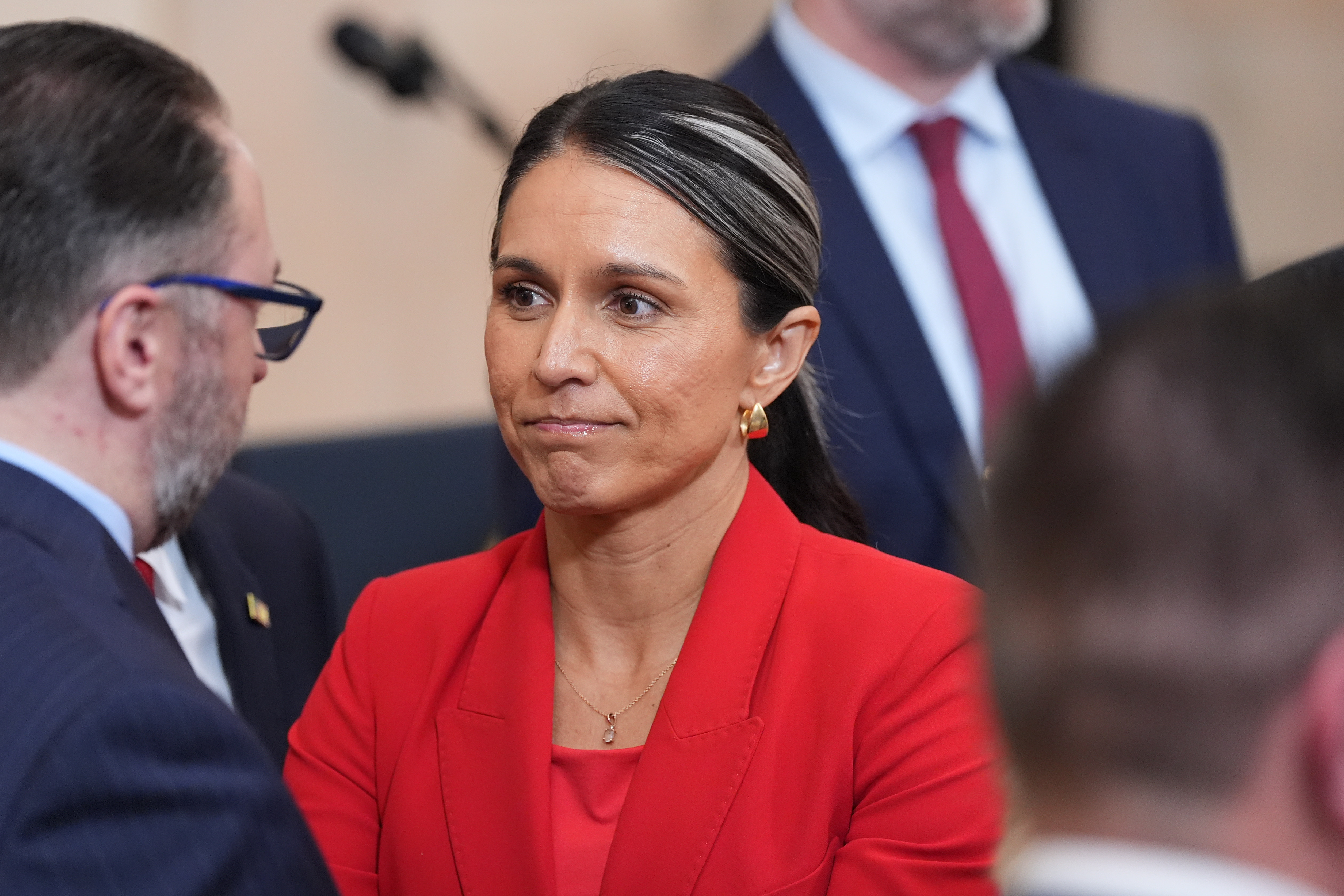



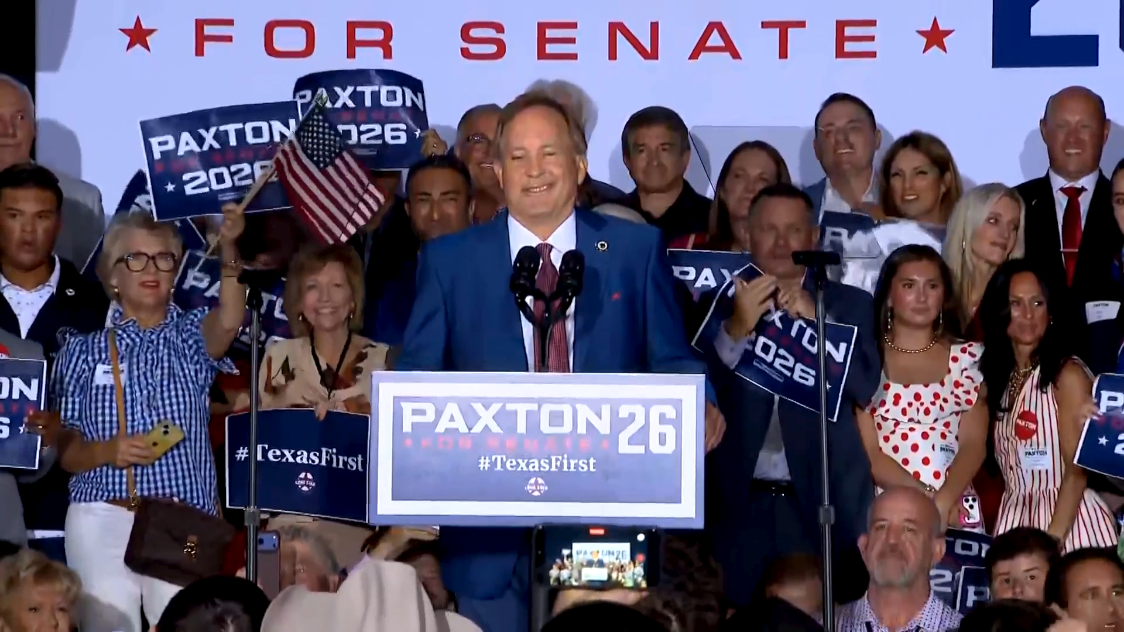

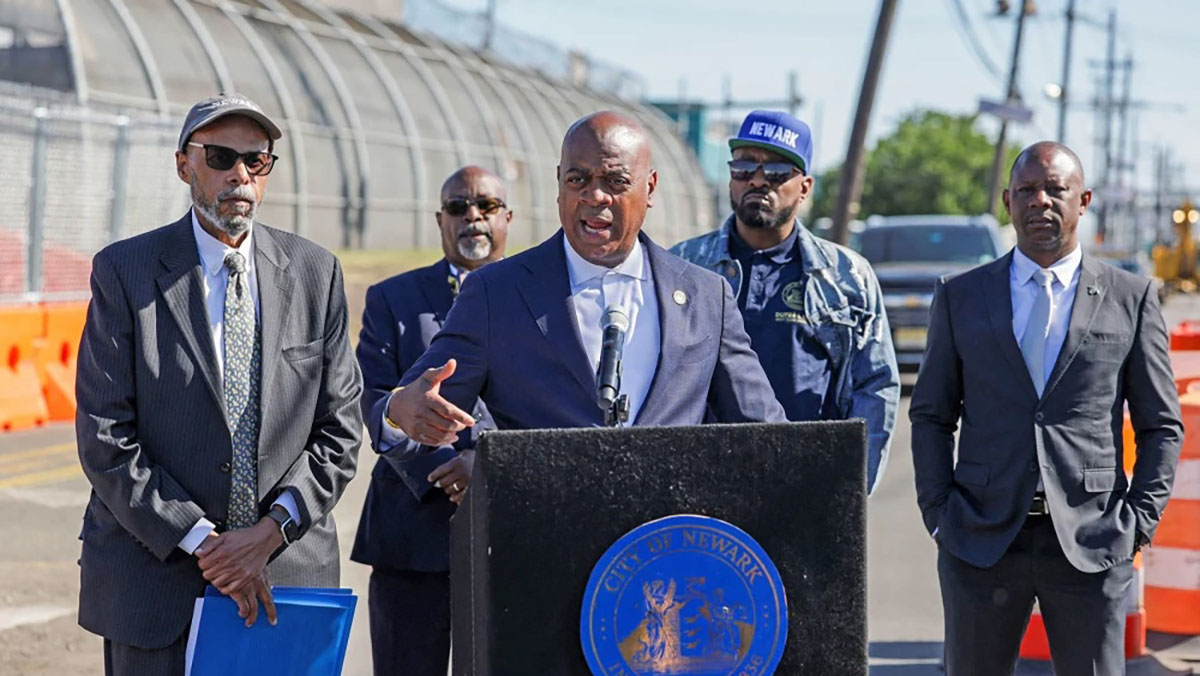














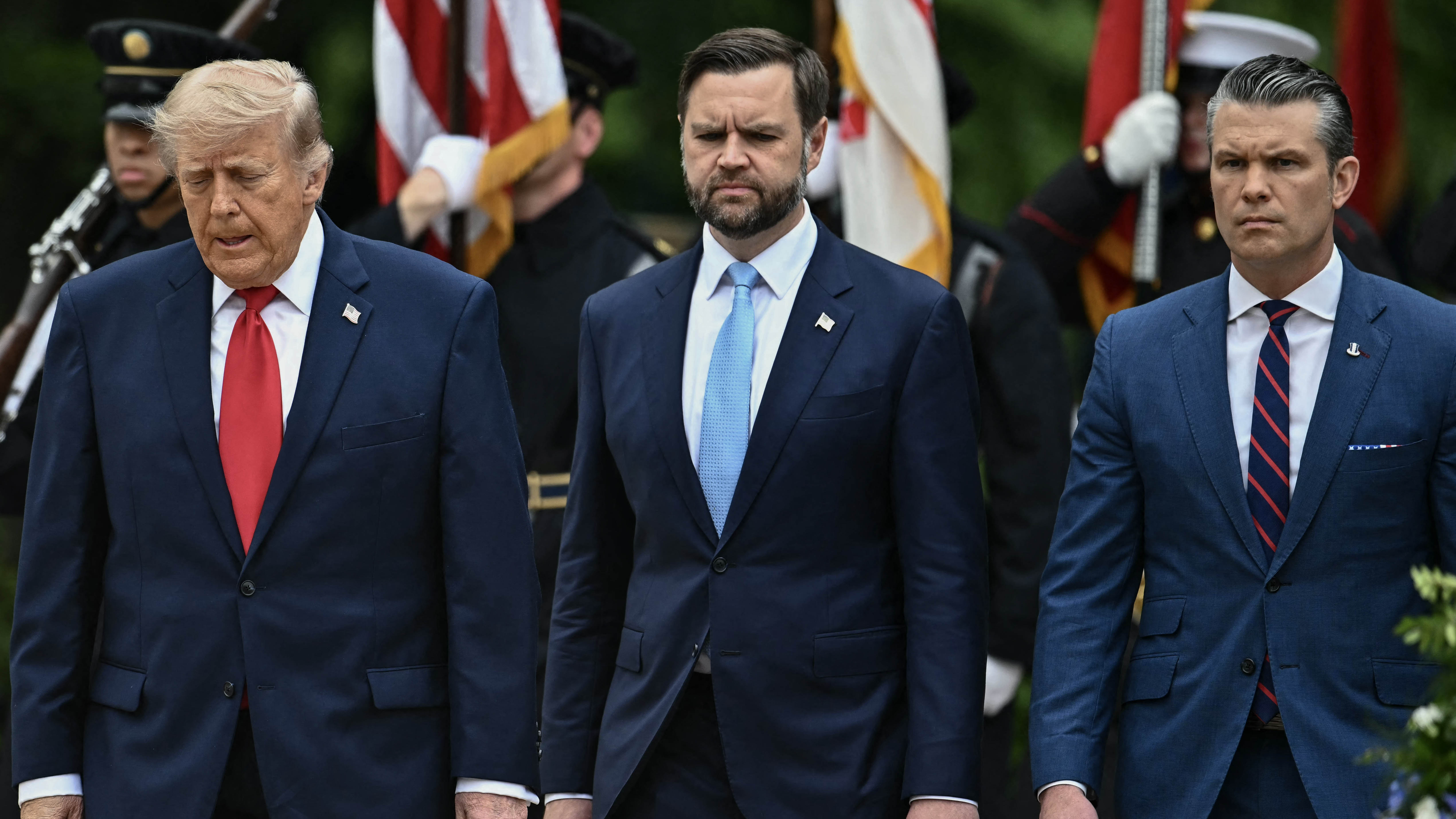
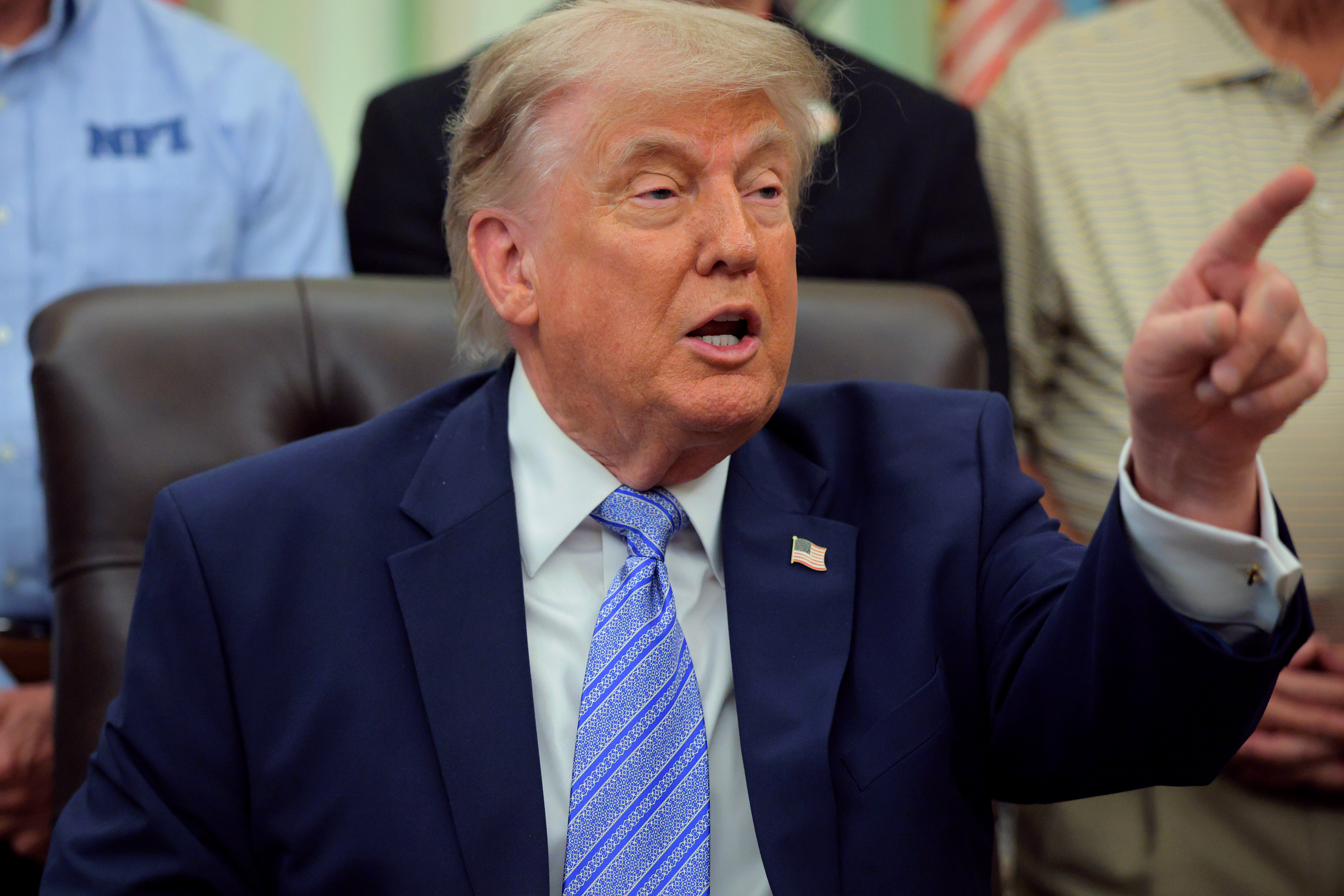
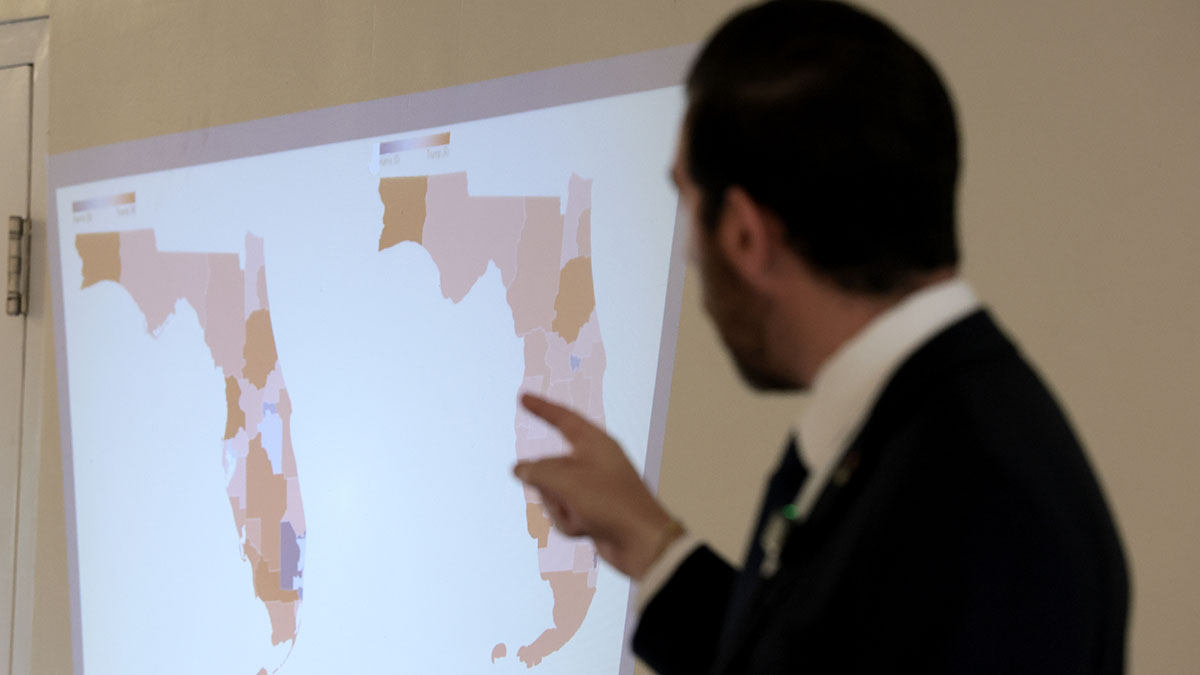



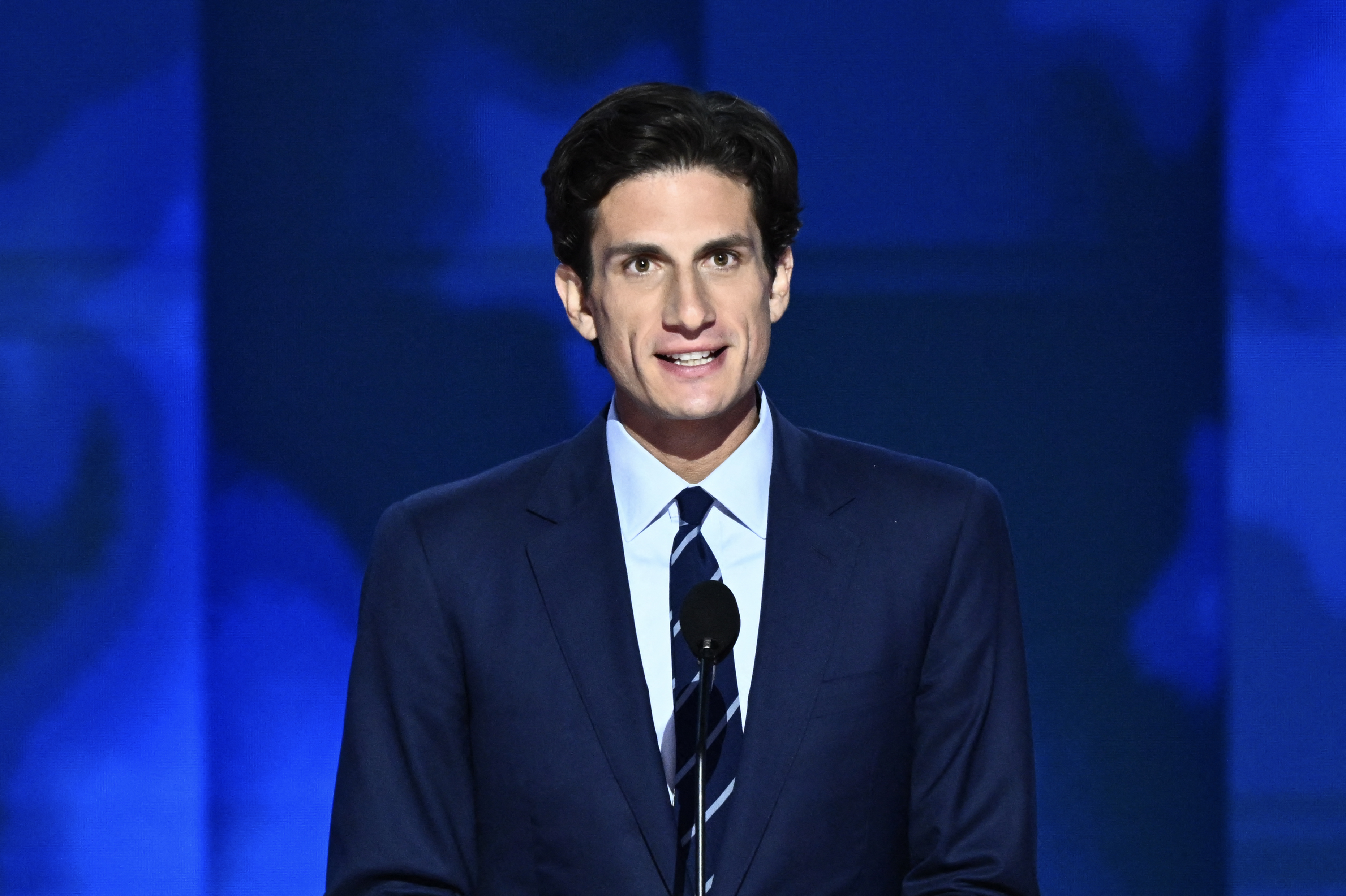
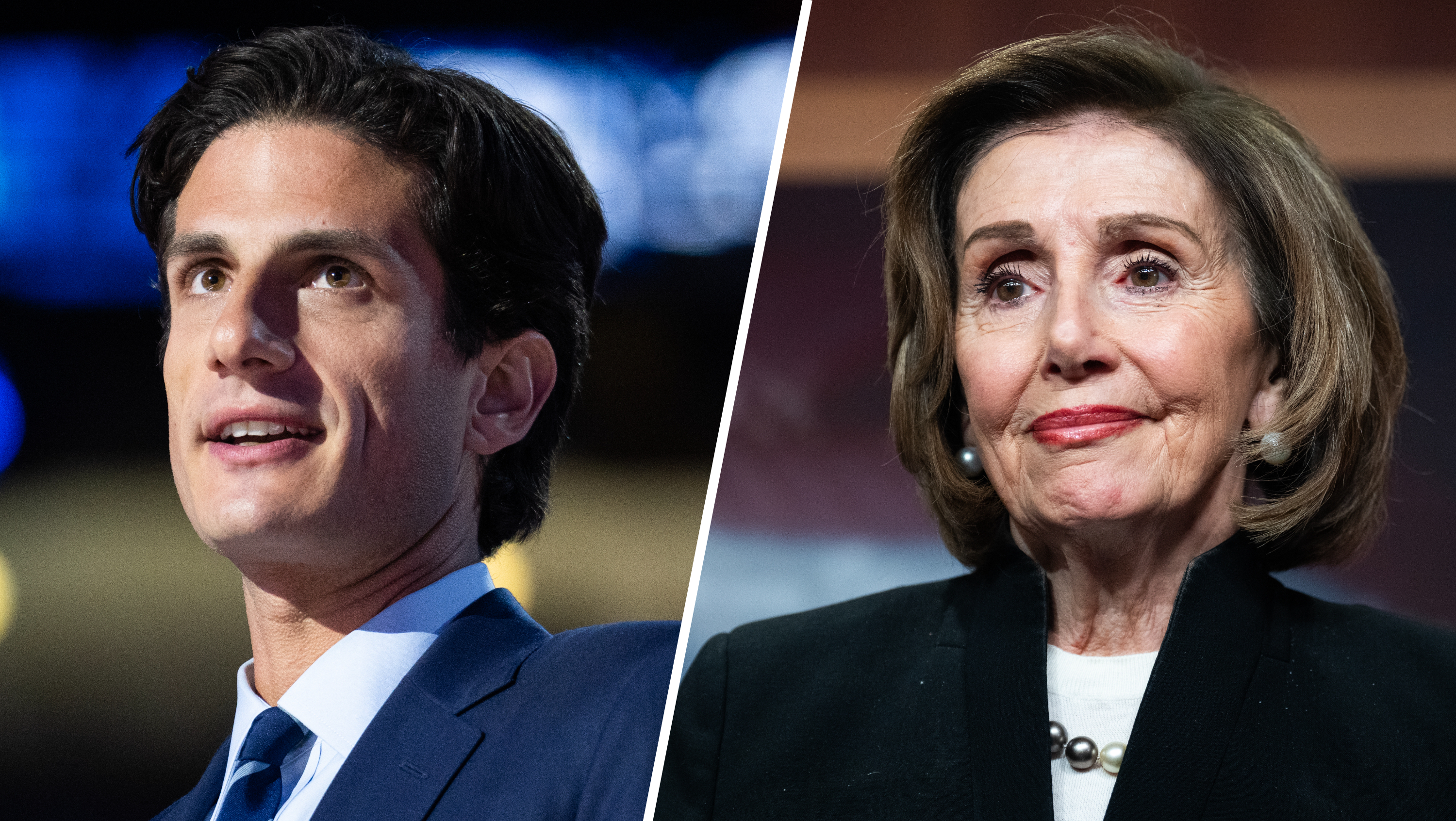

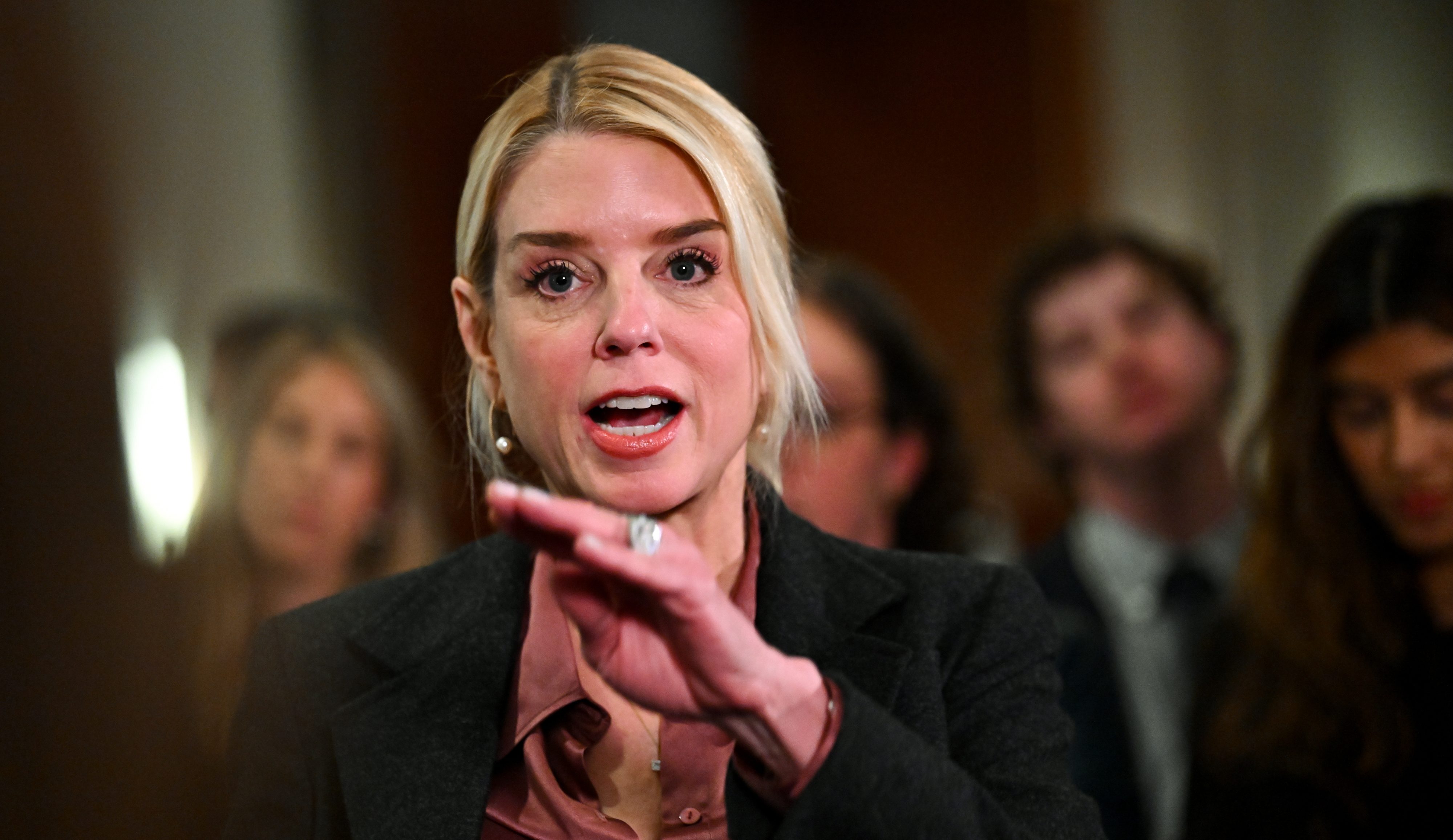
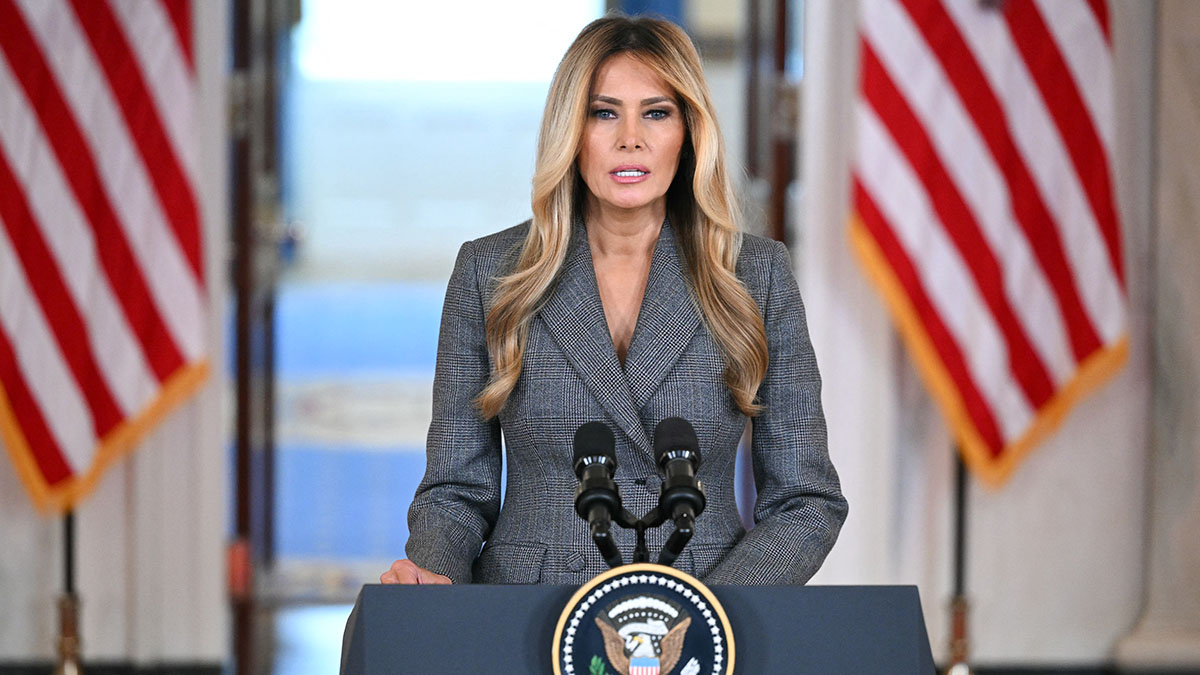






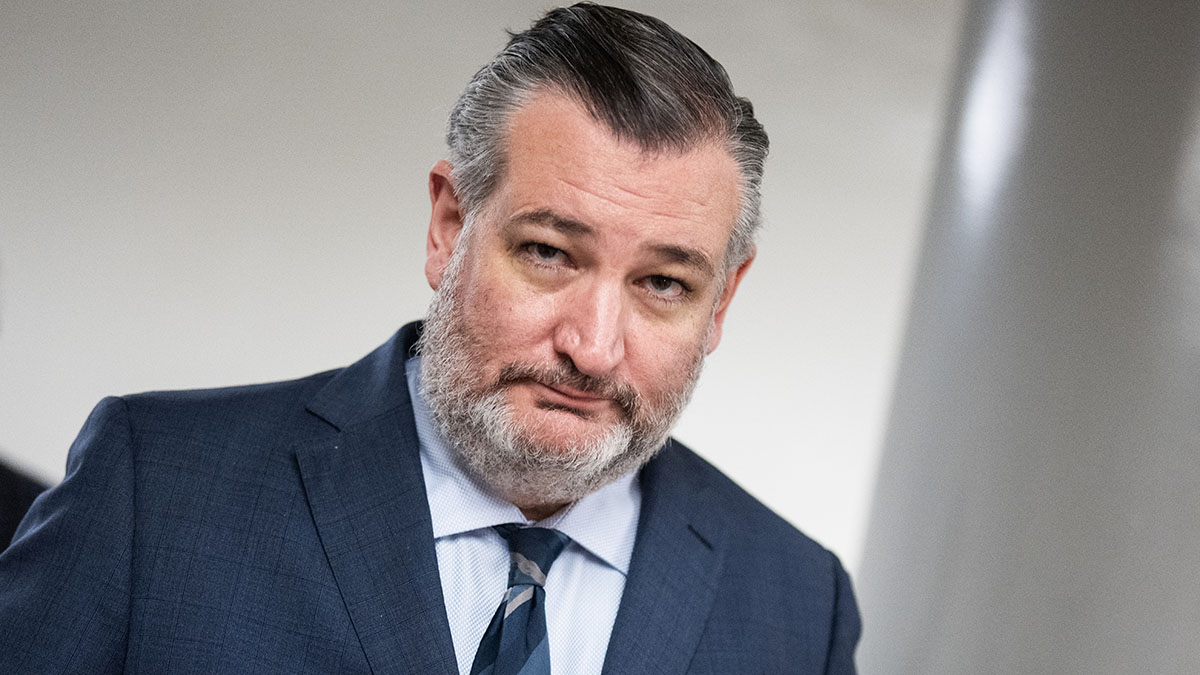
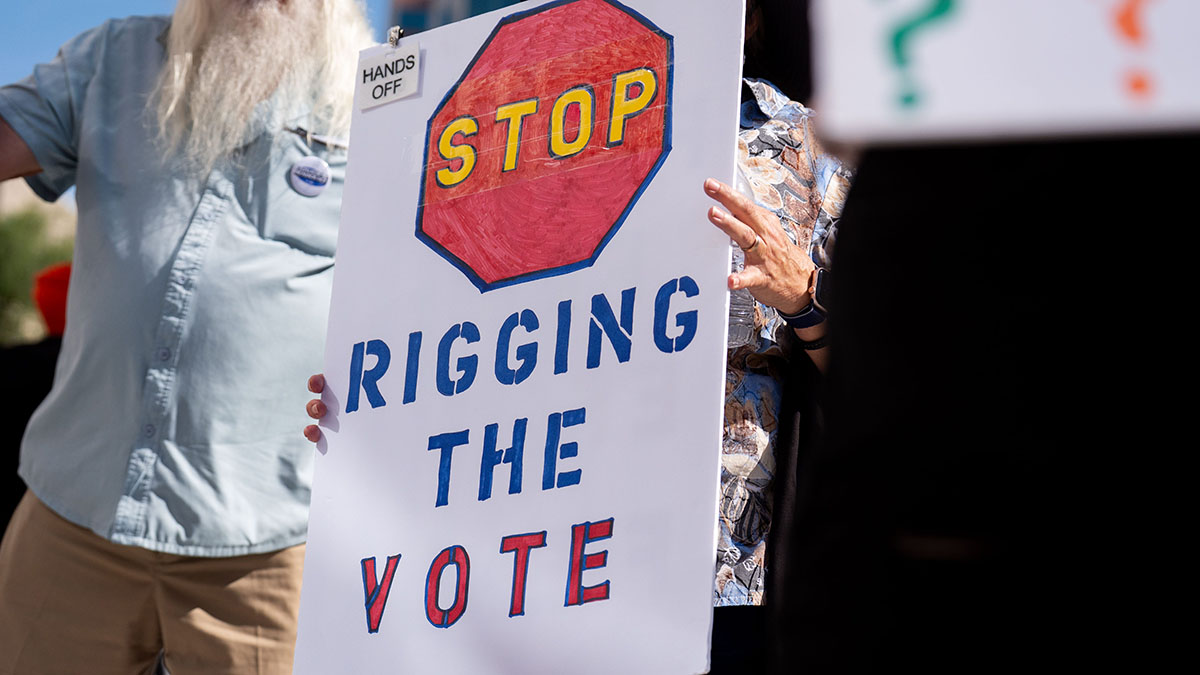
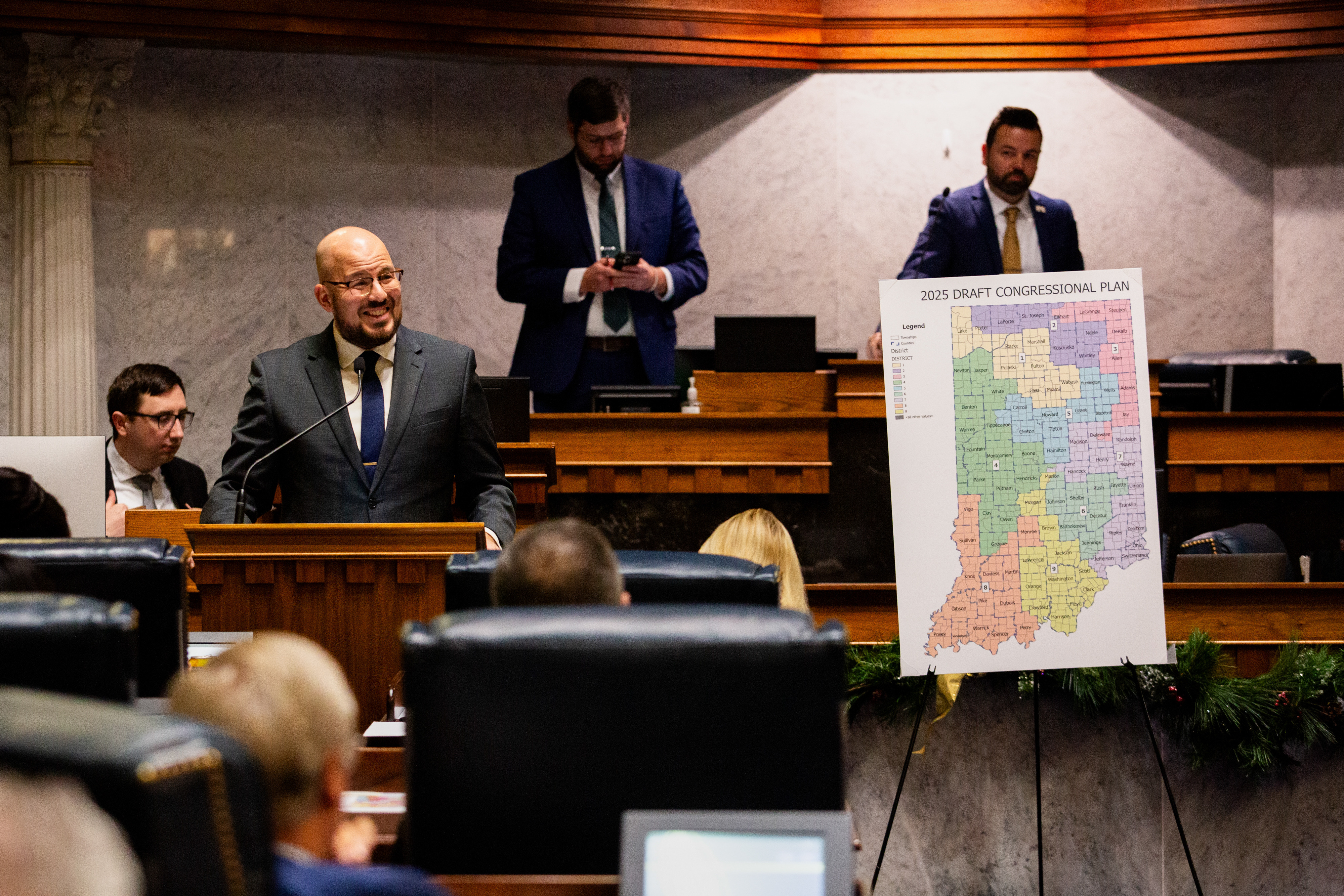

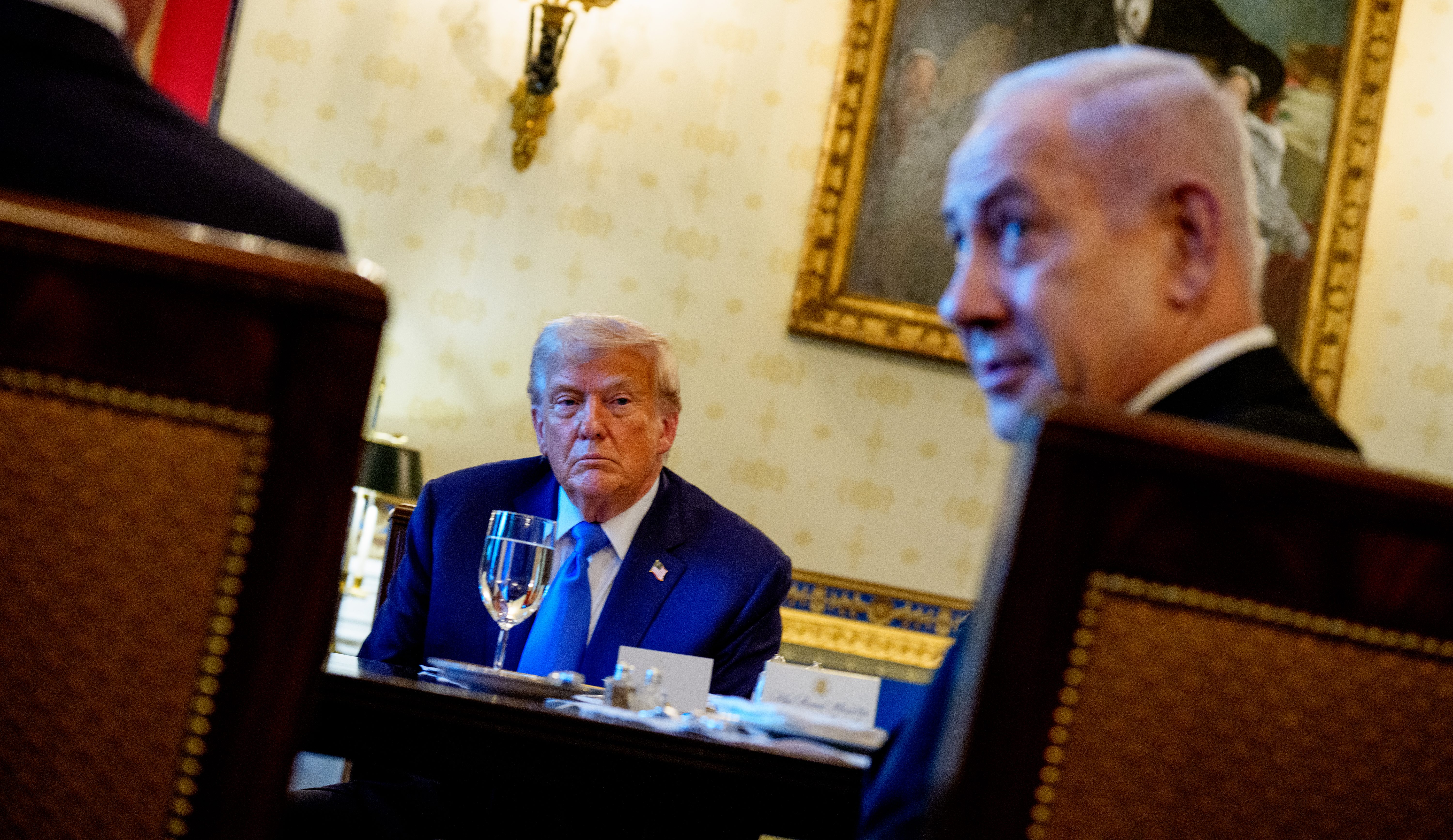
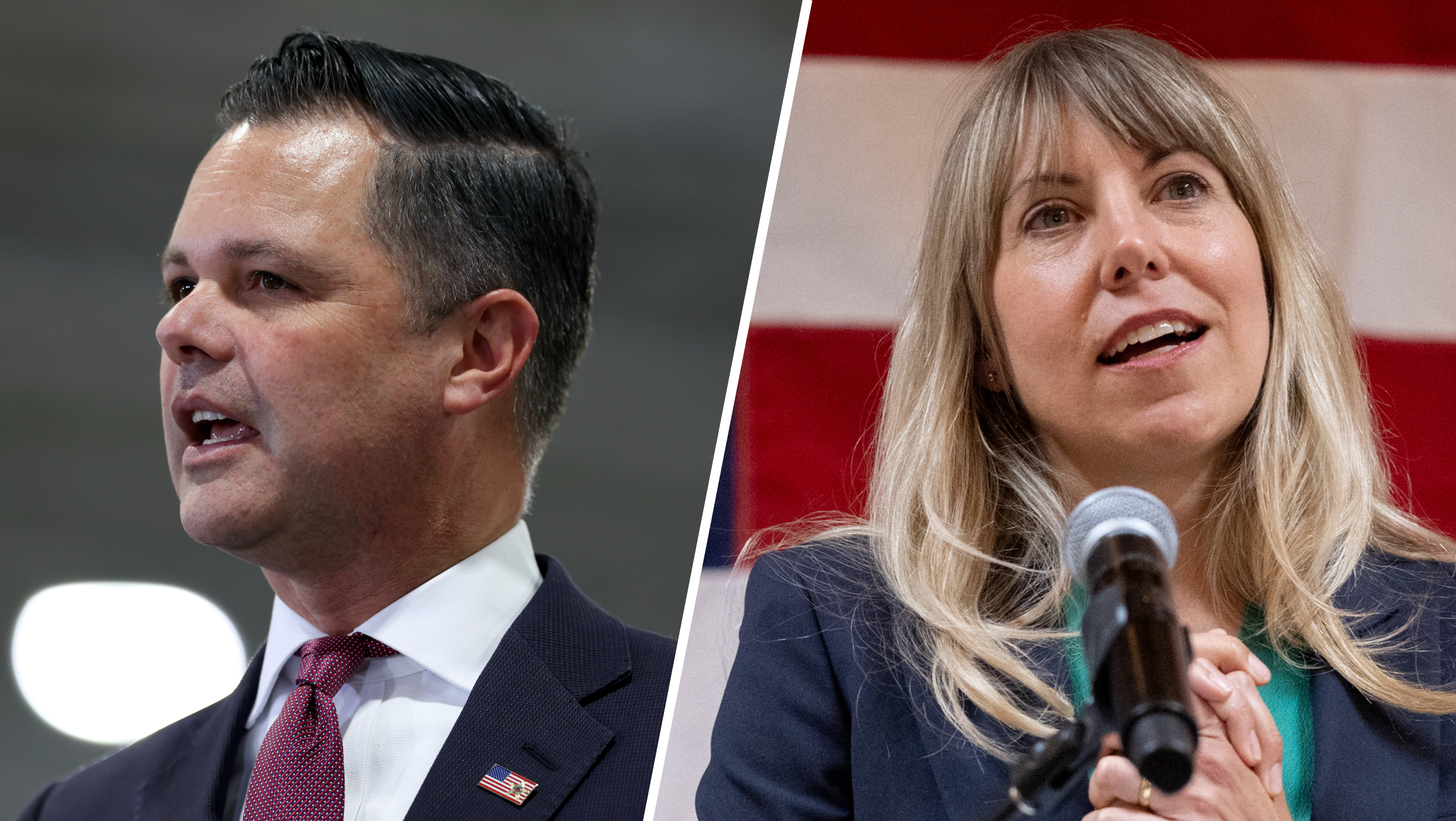


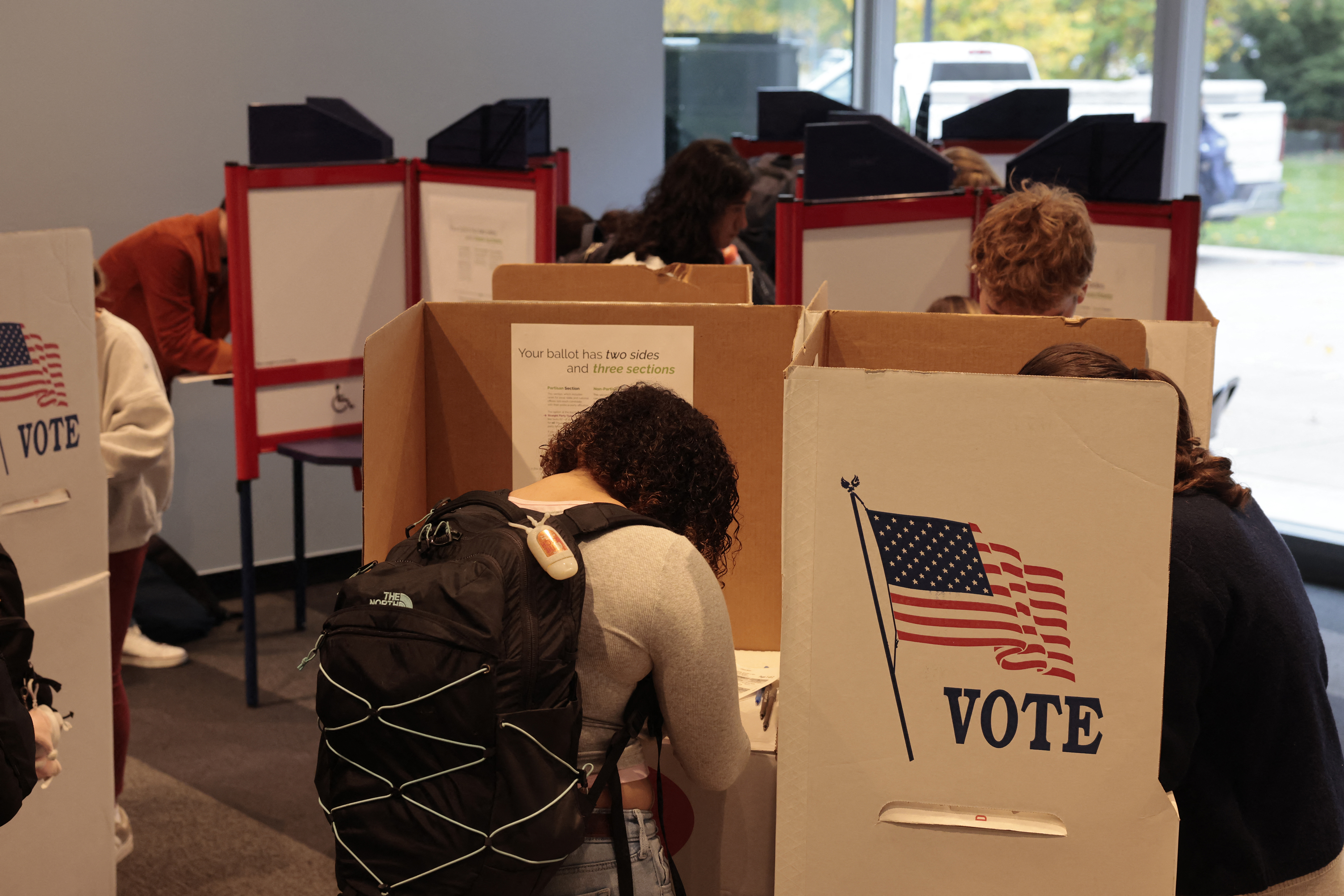












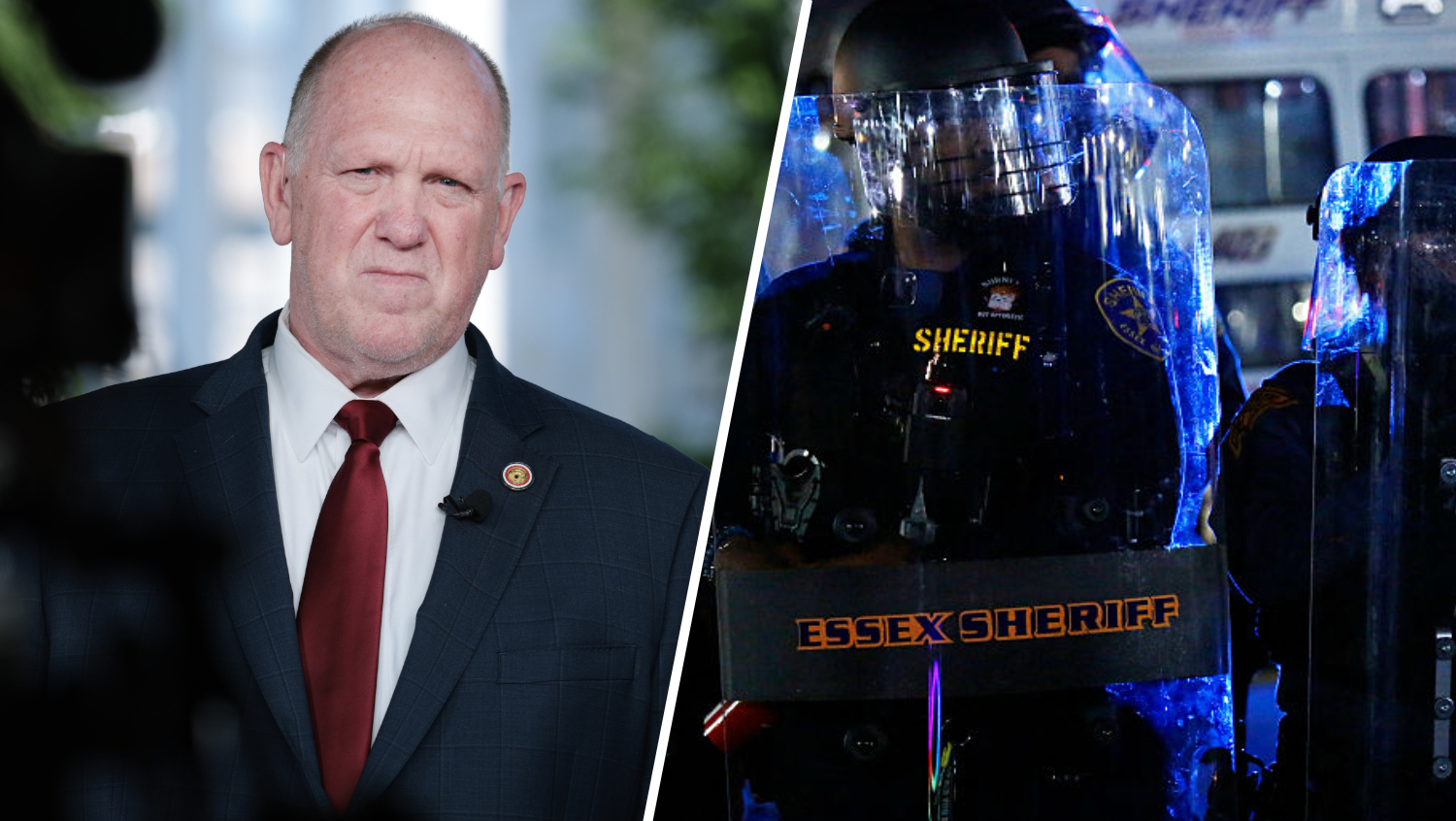


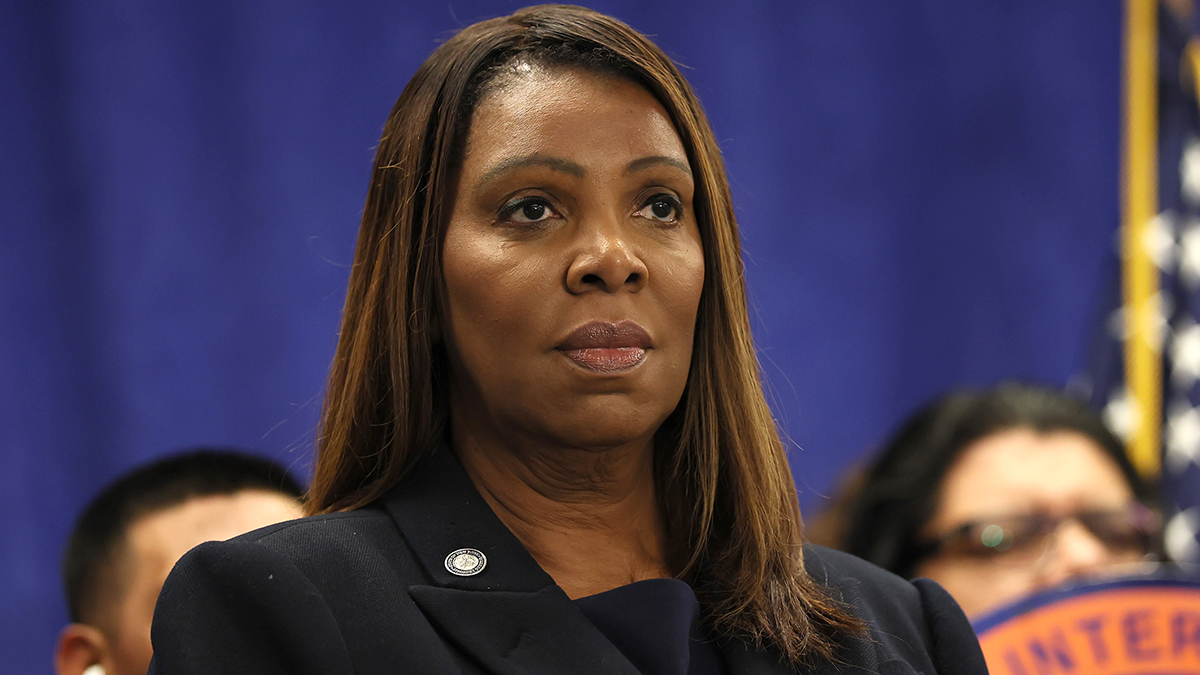
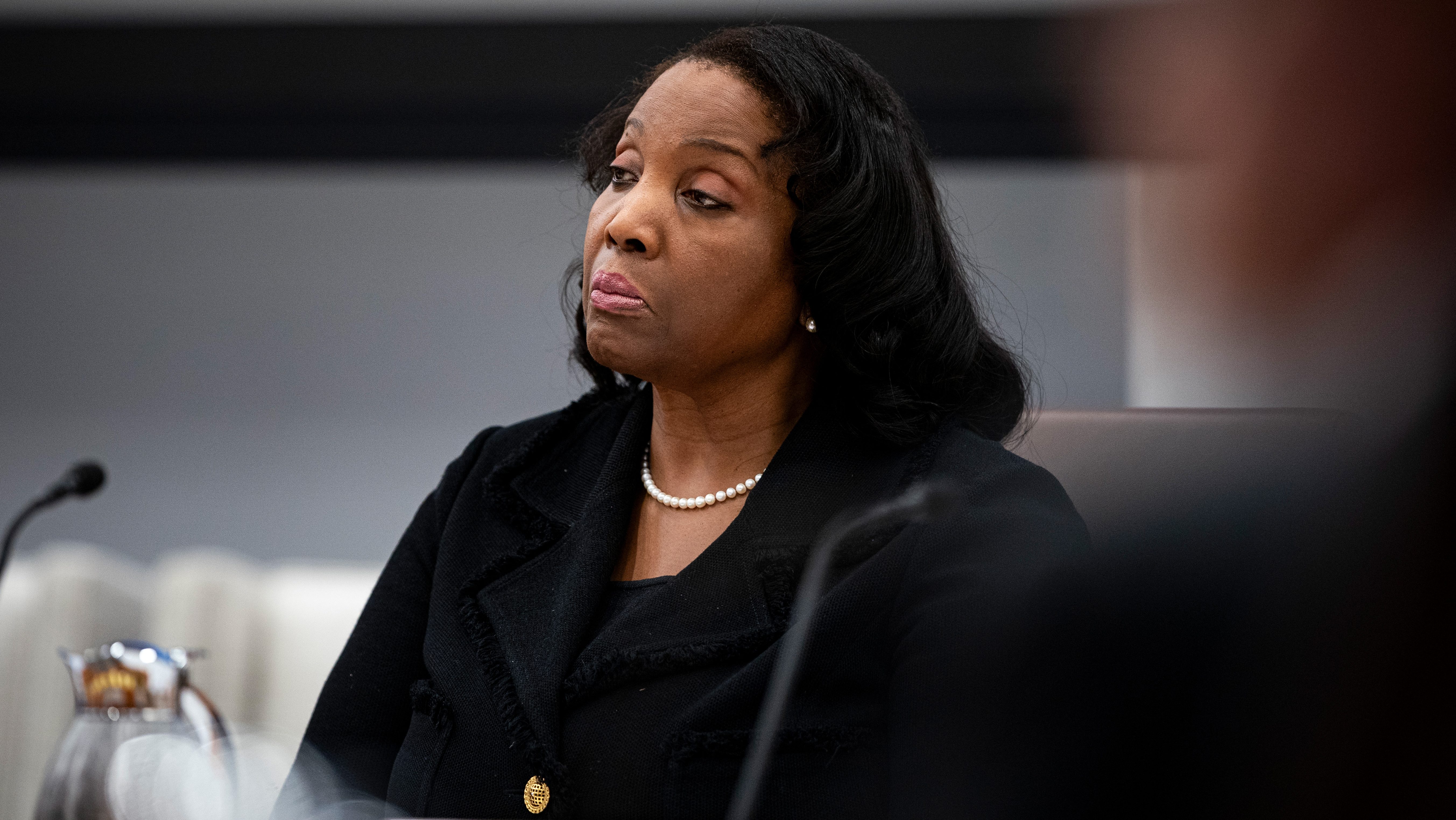
Last Updated on December 26, 2020 by admin